

Tokyo, a vibrant metropolis where ancient traditions seamlessly blend with futuristic marvels, offers an unparalleled travel experience. From serene shrines and lush gardens to bustling markets and iconic skyscrapers, this city promises an endless array of attractions to explore. Dive into our comprehensive guide to Tokyo’s top 20 must-visit destinations, designed to help you navigate this incredible city with ease and discover its diverse charm.
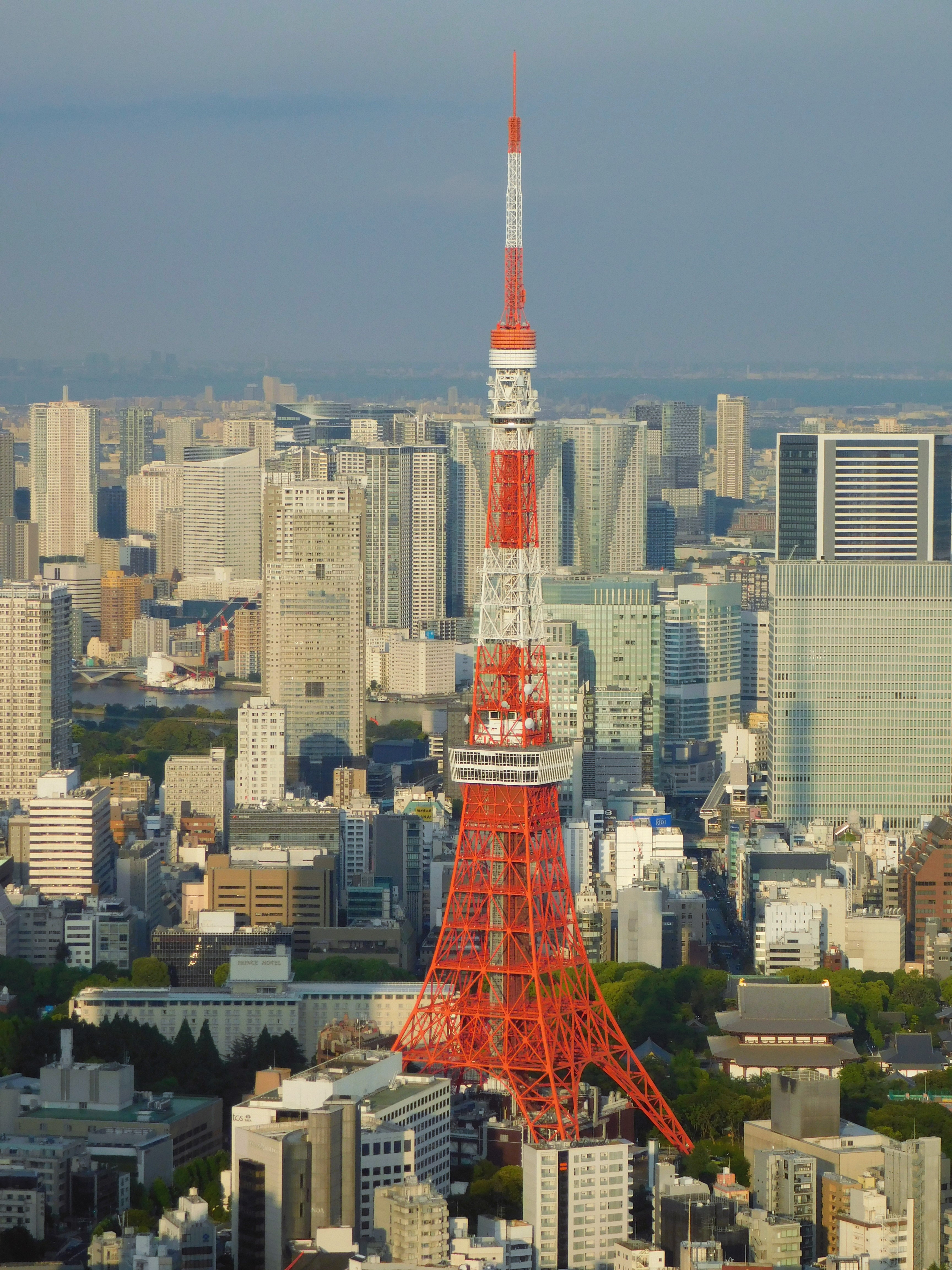
1. Tokyo Tower
Description: An iconic red and white lattice tower, inspired by the Eiffel Tower, offering panoramic views of the city from its observation decks.
History: Completed in 1958, Tokyo Tower was a powerful symbol of Japan’s post-war resurgence and its status as a major economic power. It served as a broadcast antenna and a popular tourist attraction for decades.
Google Maps: Tokyo Tower Location
Official Website: Official Tokyo Tower Website
Tickets: Book Tickets – Required for observation decks; prices vary by deck and age.
Opening Hours: Check official website for current opening hours, typically 9:00 AM – 10:30 PM.
Travel Options: A short walk from Akabanebashi Station (Oedo Line) or Onarimon Station (Mita Line).
Nearby Restaurants:
– Tofuya Ukai: Upscale traditional Japanese tofu cuisine set in a beautiful garden near the tower.
– 333 (Tokyo Tower): Casual cafe and restaurant located within Tokyo Tower’s Foot Town, offering diverse dishes.
Tips: Visit just before sunset to experience both daylight and nighttime views of Tokyo.

2. Senso-ji Temple
Description: Tokyo’s oldest and most famous temple, known for its vibrant Kaminarimon (Thunder Gate) and the bustling Nakamise-dori market leading up to it.
History: According to legend, the temple was founded in 628 when two fishermen discovered a statue of Kannon, the goddess of mercy, in the Sumida River. The current complex was largely rebuilt after being destroyed during World War II.
Google Maps: Senso-ji Temple Location
Official Website: Official Senso-ji Temple Website
Tickets: Free entry – Entry to the main temple grounds and hall is free. Some special exhibitions may have a fee.
Opening Hours: Main Hall: Typically 6:00 AM – 5:00 PM (April-October) / 6:30 AM – 5:00 PM (November-March). Temple grounds are always open.
Travel Options: Directly accessible from Asakusa Station (Ginza Line, Asakusa Line, Tobu Skytree Line).
Nearby Restaurants:
– Daikokuya Tempura Honten: Historic restaurant famous for its traditional tempura served over rice (tendon).
– Asakusa Unatetsu: Specializes in unagi (grilled eel) dishes, a local delicacy.
Tips: Arrive early in the morning to avoid the largest crowds and experience a more serene atmosphere.

3. Shibuya Crossing
Description: The world’s busiest pedestrian intersection, a mesmerizing spectacle of synchronized chaos and an iconic symbol of modern Tokyo.
History: The crossing has evolved with the development of Shibuya Station, becoming a major pedestrian hub. Its fame grew, particularly after the Hachiko statue became a prominent meeting spot.
Google Maps: Shibuya Crossing Location
Tickets: Free entry – Public intersection, free to experience.
Opening Hours: Always open.
Travel Options: Located directly outside Shibuya Station (JR Yamanote Line, Tokyo Metro Ginza, Hanzomon, Fukutoshin Lines, Tokyu Toyoko, Den-en-toshi Lines, Keio Inokashira Line).
Nearby Restaurants:
– Shibuya Sky (Foodie Hub): Offers various dining options with panoramic views of the crossing and city skyline at Shibuya Scramble Square.
– Genki Sushi Shibuya: Popular conveyor belt sushi restaurant known for its unique ordering system and affordability.
Tips: For the best views and photos, head to the Starbucks on the second floor of the Tsutaya building or the observation deck at Magnet by Shibuya 109.

4. Meiji Shrine
Description: A tranquil Shinto shrine dedicated to Emperor Meiji and Empress Shoken, set within a vast, serene forest.
History: Completed in 1920, the shrine was established to honor Emperor Meiji, who played a pivotal role in opening Japan to the West. The original shrine was destroyed during World War II and rebuilt in 1958.
Google Maps: Meiji Shrine Location
Official Website: Official Meiji Jingu Website
Tickets: Free entry – Entry to the shrine grounds is free. A small fee is charged for the Treasure Museum.
Opening Hours: Dawn to dusk (varies seasonally). Check official website for specific times.
Travel Options: A short walk from Harajuku Station (JR Yamanote Line) or Meiji-jingumae Station (Tokyo Metro Chiyoda and Fukutoshin Lines).
Nearby Restaurants:
– Afuri Harajuku: Highly popular ramen shop known for its fresh, light, and citrusy yuzu-based broth.
– Angel’s Heart Crepes: A classic Harajuku crepe stand on Takeshita Street, offering a wide variety of sweet and savory crepes.
Tips: Walk through the massive torii gates and the forest paths to fully appreciate the peaceful atmosphere away from the city’s hustle.

5. Tsukiji Outer Market
Description: A bustling public market famous for its fresh seafood, produce, and vibrant street food, continuing the legacy of the historic Tsukiji Fish Market.
History: While the inner wholesale fish market moved to Toyosu in 2018, the outer market retained its lively atmosphere, continuing to offer a wide array of seafood, Japanese delicacies, and kitchenware.
Google Maps: Tsukiji Outer Market Location
Official Website: Official Tsukiji Outer Market Website
Tickets: Free entry – Free to explore. Individual vendors set their own prices.
Opening Hours: Generally open from early morning (around 5:00 AM) until early afternoon (around 2:00 PM), closed on Sundays and some Wednesdays.
Travel Options: A short walk from Tsukiji Station (Tokyo Metro Hibiya Line) or Tsukijishijo Station (Toei Oedo Line).
Nearby Restaurants:
– Tsukiji Sushidai Honten: Highly acclaimed sushi restaurant known for its incredibly fresh omakase (chef’s choice) menu, often with long queues.
– Tsukiji Yamachō: A popular spot specializing in tamagoyaki (Japanese rolled omelet), offering samples and fresh-made rolls.
Tips: Go early in the morning to experience the market at its most vibrant and to find the freshest street food and seafood before they sell out.

6. Akihabara
Description: Known as ‘Electric Town,’ this district is a paradise for anime, manga, gaming, and electronics enthusiasts, with multi-story stores and themed cafes.
History: After World War II, Akihabara became a black market for electronic parts. It later evolved into a hub for home electronics and, by the 1990s, the center of Japan’s otaku (geek) culture.
Google Maps: Akihabara Location
Tickets: Free to explore – No entry fee for the district. Individual shops and attractions have their own pricing.
Opening Hours: Most shops typically open from 10:00 AM to 8:00 PM, but hours vary by establishment.
Travel Options: Directly accessible from Akihabara Station (JR Chuo, Yamanote, Keihin-Tohoku Lines; Tokyo Metro Hibiya Line).
Nearby Restaurants:
– Maidreamin Akihabara: One of the most famous maid cafes, offering a unique and whimsical dining experience.
– Curry no Shimin Alba Akihabara: Serves Kanazawa-style curry, known for its rich, dark sauce and hearty portions.
Tips: Explore the backstreets to find smaller, specialty shops and keep an eye out for unique themed cafes and arcade centers.

7. Ueno Park and Zoo
Description: One of Japan’s first public parks, home to numerous museums, a zoo, temples, and beautiful gardens, perfect for a leisurely day out.
History: Established in 1873, Ueno Park was originally part of the Kanei-ji Temple grounds. It has since become a cultural heart of Tokyo, housing several significant institutions.
Google Maps: Ueno Park and Zoo Location
Official Website: Official Ueno Park Website
Tickets: Check ticket details – The park itself is free. Ueno Zoo and individual museums (e.g., Tokyo National Museum) require separate tickets.
Opening Hours: Park is always open. Ueno Zoo and museums typically open 9:30 AM – 5:00 PM and are usually closed on Mondays.
Travel Options: Adjacent to Ueno Station (numerous JR lines, Tokyo Metro Ginza and Hibiya Lines).
Nearby Restaurants:
– Ueno Sakuragi Atari: A charming complex of renovated old houses, featuring a bakery, beer hall, and local shops.
– Hard Rock Cafe Ueno: Offers international cuisine and a lively atmosphere with music memorabilia.
Tips: Plan a full day to explore the park’s diverse attractions, including the Tokyo National Museum and the Ueno Zoo, home to giant pandas.

8. Ginza Shopping District
Description: Tokyo’s most upscale shopping, dining, and entertainment district, featuring luxury boutiques, department stores, and fine dining.
History: During the Meiji Restoration, Ginza was a model of Westernization, rebuilt with brick buildings and gas lamps. It has maintained its reputation as a sophisticated commercial center ever since.
Google Maps: Ginza Shopping District Location
Tickets: Free to explore – No entry fee for the district. Individual shops and establishments set their own prices.
Opening Hours: Most shops typically open from 11:00 AM to 8:00 PM, with restaurants often open later.
Travel Options: Centered around Ginza Station (Tokyo Metro Ginza, Marunouchi, Hibiya Lines).
Nearby Restaurants:
– Ginza Kyubey Honten: A legendary and highly-regarded sushi restaurant, known for its exquisite omakase courses.
– Ginza Kimuraya: A historic bakery famous for inventing ‘anpan’ (sweet bread roll filled with red bean paste).
Tips: Visit on weekends when Chuo-dori, Ginza’s main street, is closed to vehicular traffic, creating a pedestrian paradise.

9. Imperial Palace and East Gardens
Description: The primary residence of the Emperor of Japan, surrounded by moats and massive stone walls. The East Garden, a former site of Edo Castle, is open to the public.
History: The site was originally Edo Castle, the residence of the Tokugawa shoguns. After the Meiji Restoration, it became the Imperial Palace. The current palace was rebuilt after being destroyed during World War II.
Google Maps: Imperial Palace and East Gardens Location
Official Website: Official Imperial Household Agency Website
Tickets: Free entry – The East Garden is free to enter. The inner palace grounds are generally not accessible, except for special pre-booked tours on specific dates.
Opening Hours: East Garden: Typically 9:00 AM – 5:00 PM (March-October) / 9:00 AM – 4:00 PM (November-February). Closed on Mondays, Fridays, and special holidays. Check official website for current hours.
Travel Options: A short walk from Otemachi Station (Tokyo Metro various lines), Tokyo Station (JR Lines), or Nijubashimae Station (Tokyo Metro Chiyoda Line).
Nearby Restaurants:
– The Palace Hotel Tokyo: Offers several upscale dining options with views of the Imperial Palace East Garden.
– Gransta Tokyo: An extensive dining and shopping complex within Tokyo Station, offering a wide array of Japanese and international cuisine.
Tips: While the inner palace is rarely accessible, a stroll through the East Garden provides a tranquil escape and a glimpse into Japan’s history.
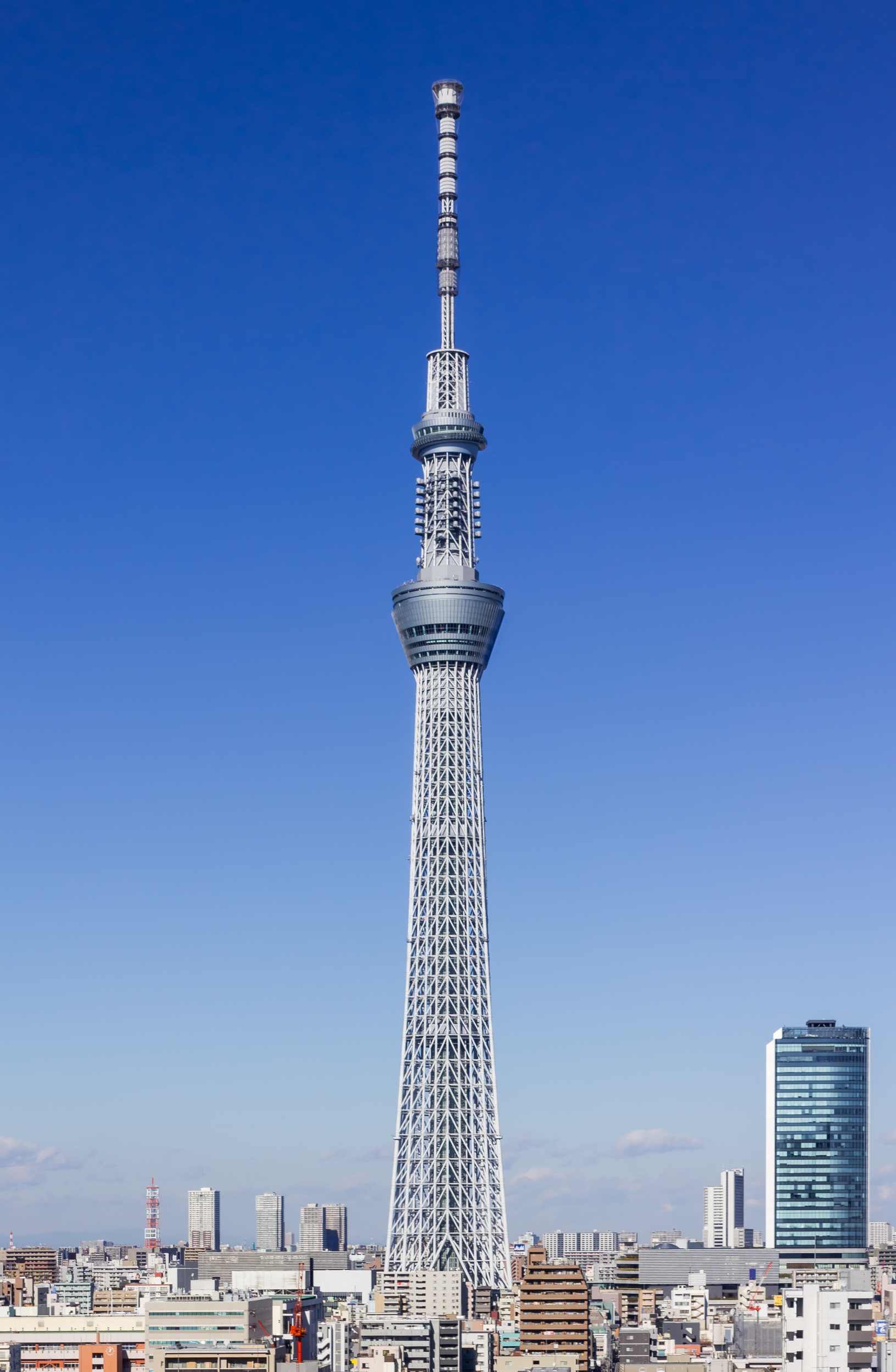
10. Tokyo Skytree
Description: Japan’s tallest structure and a prominent landmark, serving as a broadcasting tower and offering two incredible observation decks with breathtaking 360-degree views of Tokyo.
History: Completed in 2012, Tokyo Skytree was built primarily as a digital terrestrial television broadcasting tower, replacing Tokyo Tower for this function due to the city’s increasing high-rise buildings.
Google Maps: Tokyo Skytree Location
Official Website: Official Tokyo Skytree Website
Tickets: Book Tickets – Tickets are required for entry to the Tembo Deck (350m) and Tembo Galleria (450m).
Opening Hours: Check official website for current opening hours, typically 10:00 AM – 9:00 PM.
Travel Options: Directly connected to Tokyo Skytree Station (Tobu Skytree Line) and Oshiage Station (Tobu Skytree Line, Tokyo Metro Hanzomon Line, Toei Asakusa Line, Keisei Oshiage Line).
Nearby Restaurants:
– Skytree Restaurant 634: Fine dining restaurant offering modern Japanese-French cuisine with spectacular views from 345 meters high.
– Konparu: A popular tempura restaurant known for its quality and freshness, located within the Tokyo Solamachi complex at the base of Skytree.
Tips: Purchase tickets online in advance to reduce waiting times, especially during peak tourist seasons or holidays.
11. Roppongi Hills
Description: A sophisticated urban complex in Roppongi, featuring shopping, dining, residential areas, a luxury hotel, a cinema, and the Mori Art Museum with an observation deck.
History: Opened in 2003, Roppongi Hills was a massive private urban redevelopment project, transforming a previously fragmented area into a bustling and integrated city-within-a-city.
Google Maps: Roppongi Hills Location
Official Website: Official Roppongi Hills Website
Tickets: Check ticket details – Entry to Roppongi Hills is free. Tickets are required for the Mori Art Museum and Tokyo City View observation deck.
Opening Hours: Shops typically open 11:00 AM – 9:00 PM; restaurants open later. Check official website for specific business hours.
Travel Options: Directly connected to Roppongi Station (Tokyo Metro Hibiya Line, Toei Oedo Line).
Nearby Restaurants:
– Gonpachi Nishiazabu: A lively izakaya-style restaurant famously used as inspiration for a scene in Quentin Tarantino’s ‘Kill Bill’.
– TsuruTonTan Roppongi: Popular udon noodle restaurant known for its generous portions and wide variety of creative udon dishes, often open late.
Tips: Don’t miss the Mori Art Museum for contemporary exhibitions and the Tokyo City View observation deck for spectacular city vistas, especially at night.
12. Odaiba
Description: A futuristic entertainment and shopping district on a man-made island in Tokyo Bay, offering stunning waterfront views, innovative architecture, and diverse attractions.
History: Odaiba began as a series of fort islands built in the 1850s to protect Tokyo. It was extensively redeveloped in the 1990s into a major commercial, residential, and leisure area.
Google Maps: Odaiba Location
Tickets: Free to explore – Free to wander. Individual attractions like museums or theme parks require tickets.
Opening Hours: Most shops typically open 11:00 AM – 9:00 PM; attractions and restaurants have varying hours. Check individual establishment websites.
Travel Options: Accessible via the Yurikamome automated train line (Odaiba-kaihinkoen Station, Daiba Station) or the Rinkai Line (Tokyo Teleport Station).
Nearby Restaurants:
– Eggs ‘n Things Odaiba: Hawaiian-style breakfast and brunch spot known for its towering pancake creations, with views of Tokyo Bay.
– Sushi no Midori Ginza (Odaiba branch): A highly-rated sushi chain known for excellent quality and reasonable prices, often with a queue.
Tips: Visit in the late afternoon to enjoy the attractions, then stay for the beautiful evening views of Rainbow Bridge and the Tokyo skyline.
13. Harajuku’s Takeshita Street
Description: A vibrant and eccentric pedestrian street in Harajuku, renowned as the epicenter of Tokyo’s youth fashion, quirky boutiques, and famous crepe stands.
History: Takeshita Street gained prominence in the 1970s and 80s as a hub for emerging youth subcultures and fashion trends, evolving into the unique street it is today.
Google Maps: Harajuku’s Takeshita Street Location
Tickets: Free to explore – No entry fee for the street. Individual shops and cafes have their own pricing.
Opening Hours: Most shops typically open 10:00 AM – 8:00 PM, but hours vary.
Travel Options: Located directly across from Harajuku Station (JR Yamanote Line) and near Meiji-jingumae Station (Tokyo Metro Chiyoda and Fukutoshin Lines).
Nearby Restaurants:
– Marion Crepes: One of the original and most famous crepe stands in Harajuku, offering a vast menu of sweet and savory fillings.
– Totti Candy Factory: Known for its giant, colorful rainbow cotton candy, a popular treat for Instagrammers.
Tips: Embrace the crowds and soak in the unique atmosphere. Be prepared for a bustling experience, especially on weekends.
14. Shinjuku Gyoen National Garden
Description: A large and exquisitely maintained garden blending three distinct styles: traditional Japanese, French Formal, and English Landscape, offering a peaceful escape in the heart of the city.
History: Originally a feudal lord’s Tokyo residence during the Edo Period, it later became an imperial garden. After World War II, it was opened to the public as a national garden.
Google Maps: Shinjuku Gyoen National Garden Location
Official Website: Official Shinjuku Gyoen National Garden Website
Tickets: Check ticket details – Modest entry fee required.
Opening Hours: Typically 9:00 AM – 5:30 PM (last entry 5:00 PM), closed on Mondays (or Tuesday if Monday is a national holiday). Check official website for seasonal variations and closures.
Travel Options: A short walk from Shinjuku-gyoenmae Station (Tokyo Metro Marunouchi Line), Shinjuku Station (various JR and Metro lines), or Sendagaya Station (JR Chuo Line).
Nearby Restaurants:
– Isetan Department Store Food Hall: Located nearby in Shinjuku, offers an extensive array of gourmet foods, bentos, and patisserie.
– Shinjuku Nakamuraya: A long-established department store restaurant famous for introducing Indian curry to Japan and its traditional bakery.
Tips: Perfect for a picnic or a leisurely stroll, especially beautiful during cherry blossom season (late March to early April) and autumn foliage (November).
15. Nakamise Shopping Street
Description: A historic and vibrant pedestrian street lined with shops selling traditional Japanese souvenirs, snacks, and crafts, leading up to the iconic Senso-ji Temple.
History: With a history stretching back to the 17th century, Nakamise-dori is one of Japan’s oldest shopping streets, having served pilgrims visiting Senso-ji for centuries.
Google Maps: Nakamise Shopping Street Location
Official Website: Official Nakamise Shopping Street Website
Tickets: Free to explore – No entry fee for the street. Shops have individual prices.
Opening Hours: Most shops typically open 9:00 AM – 6:00 PM, but hours vary by vendor.
Travel Options: Located directly outside Asakusa Station (Ginza Line, Asakusa Line, Tobu Skytree Line), leading to Senso-ji Temple.
Nearby Restaurants:
– Kaminarimon Sansada: Tokyo’s oldest tempura restaurant, established in 1837, offering classic deep-fried seafood and vegetables.
– Asakusa Kagetsudo Honten: Famous for its oversized ‘melon pan’ (sweet bread with a crispy crust) and other traditional Japanese sweets.
Tips: Try some of the local snacks like ‘kaminari okoshi’ (sweet rice crackers) or ‘ningyo-yaki’ (small cakes filled with red bean paste) as you walk along.
16. Yasukuni Shrine
Description: A controversial Shinto shrine commemorating Japan’s war dead, including convicted war criminals, and housing a war museum (Yushukan).
History: Founded in 1869 by Emperor Meiji to honor those who died in service to Japan, it became a focal point of controversy due to its enshrinement of Class A war criminals and perceived revisionist history presented in its museum.
Google Maps: Yasukuni Shrine Location
Official Website: Official Yasukuni Shrine Website
Tickets: Check ticket details – Entry to the shrine grounds is free. The Yushukan Museum requires an entry fee.
Opening Hours: Shrine Grounds: Typically 6:00 AM – 6:00 PM (varies seasonally). Yushukan Museum: Typically 9:00 AM – 4:30 PM (last entry 4:00 PM). Check official website for current hours.
Travel Options: A short walk from Kudanshita Station (Tokyo Metro Hanzomon, Tozai, Toei Shinjuku Lines) or Ichigaya Station (JR Chuo Line, Tokyo Metro Namboku Line, Toei Shinjuku Line).
Nearby Restaurants:
– Ippudo Ramen Kudanshita: A branch of the popular international ramen chain known for its classic Hakata-style tonkotsu (pork bone broth) ramen.
– Sarashina Horii: A traditional soba (buckwheat noodle) restaurant with a long history, offering refined noodle dishes in a serene setting.
Tips: Visit the Chidorigafuchi National Cemetery nearby for a different, non-controversial perspective on war remembrance and a beautiful moat for rowing boats in spring.
17. National Museum of Emerging Science and Innovation (Miraikan)
Description: An interactive science museum dedicated to showcasing cutting-edge science and technology, and exploring humanity’s future, featuring exhibits on robotics, space, and the environment.
History: Opened in 2001, Miraikan was spearheaded by Japanese astronaut Mamoru Mohri. It aims to foster a deeper understanding of science and technology in society.
Google Maps: National Museum of Emerging Science and Innovation (Miraikan) Location
Official Website: Official Miraikan Website
Tickets: Check ticket details – Entry fee required for permanent exhibitions. Special exhibitions may have separate fees.
Opening Hours: Typically 10:00 AM – 5:00 PM. Closed on Tuesdays (except when Tuesday is a national holiday, then open and closed the next day). Check official website for current hours.
Travel Options: A short walk from Telecom Center Station or Fune-no-kagakukan Station (Yurikamome Line).
Nearby Restaurants:
– Cafe & Restaurant Miraikan: Casual dining options located inside the museum, perfect for a quick and convenient meal.
– Tokyo Food Lab (DiverCity Tokyo Plaza): A diverse food court offering various Japanese and international cuisines, located in the nearby DiverCity Tokyo Plaza mall.
Tips: Allow ample time to explore the interactive exhibits, watch the Geo-Cosmos display, and catch one of the robot demonstrations, such as ASIMO.
18. Shimokitazawa
Description: A trendy, bohemian neighborhood known for its independent fashion boutiques, vintage clothing stores, live music venues, theaters, and charming cafes and bars.
History: Emerging as a bohemian district after World War II, Shimokitazawa cultivated an independent spirit and became a haven for artists, musicians, and unique fashion.
Google Maps: Shimokitazawa Location
Tickets: Free to explore – No entry fee for the district. Individual shops and venues have their own pricing.
Opening Hours: Most shops typically open 11:00 AM – 8:00 PM, with cafes, bars, and venues often open later.
Travel Options: Directly accessible from Shimokitazawa Station (Odakyu Line, Keio Inokashira Line).
Nearby Restaurants:
– Rojiura Curry SAMURAI! Shimokitazawa: A popular spot for Hokkaido-style soup curry, offering customizable spice levels and ingredients.
– Sunday Brunch Shimokitazawa: A cozy cafe known for its delicious pancakes, French toast, and brunch options, ideal for a relaxed meal.
Tips: Wander through the narrow, winding streets and alleyways to discover hidden gems, unique vintage finds, and quirky cafes. Visit in the late afternoon for dinner and live music.
19. Edo-Tokyo Museum
Description: A unique museum housed in a distinctive elevated building, offering a fascinating journey through Tokyo’s history and culture from the Edo Period to the present day.
History: Opened in 1993, the museum provides a comprehensive look at the city’s transformation, using large-scale models, dioramas, and interactive exhibits to tell its story.
Google Maps: Edo-Tokyo Museum Location
Official Website: Official Edo-Tokyo Museum Website
Tickets: Check ticket details – Entry fee required. **Please note: The museum is currently closed for major renovations; check the official website for reopening details.**
Opening Hours: **Currently closed for major renovation; check official website for reopening details (expected late 2025/early 2026).**
Travel Options: A short walk from Ryogoku Station (JR Chuo-Sobu Line, Toei Oedo Line).
Nearby Restaurants:
– Chanko Kirishima: A popular restaurant specializing in ‘chanko nabe,’ the protein-rich hot pot traditionally eaten by sumo wrestlers.
– Ryogoku Terrace Cafe: A casual dining spot offering Western and Japanese dishes, with outdoor seating and views of the sumo stadium area.
Tips: Before planning a visit, check the official website as the museum is undergoing extensive renovations and is temporarily closed to the public.
20. Ryogoku Kokugikan
Description: The premier sumo hall in Japan and the spiritual home of professional sumo wrestling, hosting three of the six annual Grand Sumo Tournaments.
History: While sumo has been held in Ryogoku for centuries, the current Ryogoku Kokugikan building was completed in 1987. It serves as the main venue for sumo tournaments, as well as a museum.
Google Maps: Ryogoku Kokugikan Location
Official Website: Official Japan Sumo Association Website
Tickets: Check ticket details – Tickets are required for sumo tournaments. The Sumo Museum is free to enter.
Opening Hours: Sumo Museum: Typically 10:00 AM – 4:30 PM (closed weekends/holidays and during tournaments). Tournament hours vary. Check official website for current schedules.
Travel Options: Directly adjacent to Ryogoku Station (JR Chuo-Sobu Line, Toei Oedo Line).
Nearby Restaurants:
– Chanko Dining WAKANO Ryogoku Honten: A ‘chanko nabe’ restaurant owned by former sumo wrestler Wakanohana, offering authentic sumo hot pot dishes.
– Popeye: A renowned craft beer bar near the station, offering a vast selection of Japanese craft beers and pub food.
Tips: If your visit coincides with one of the Grand Sumo Tournaments (January, May, September), secure tickets well in advance for an unforgettable cultural experience. Otherwise, visit the free Sumo Museum.
AI Travel Tools