

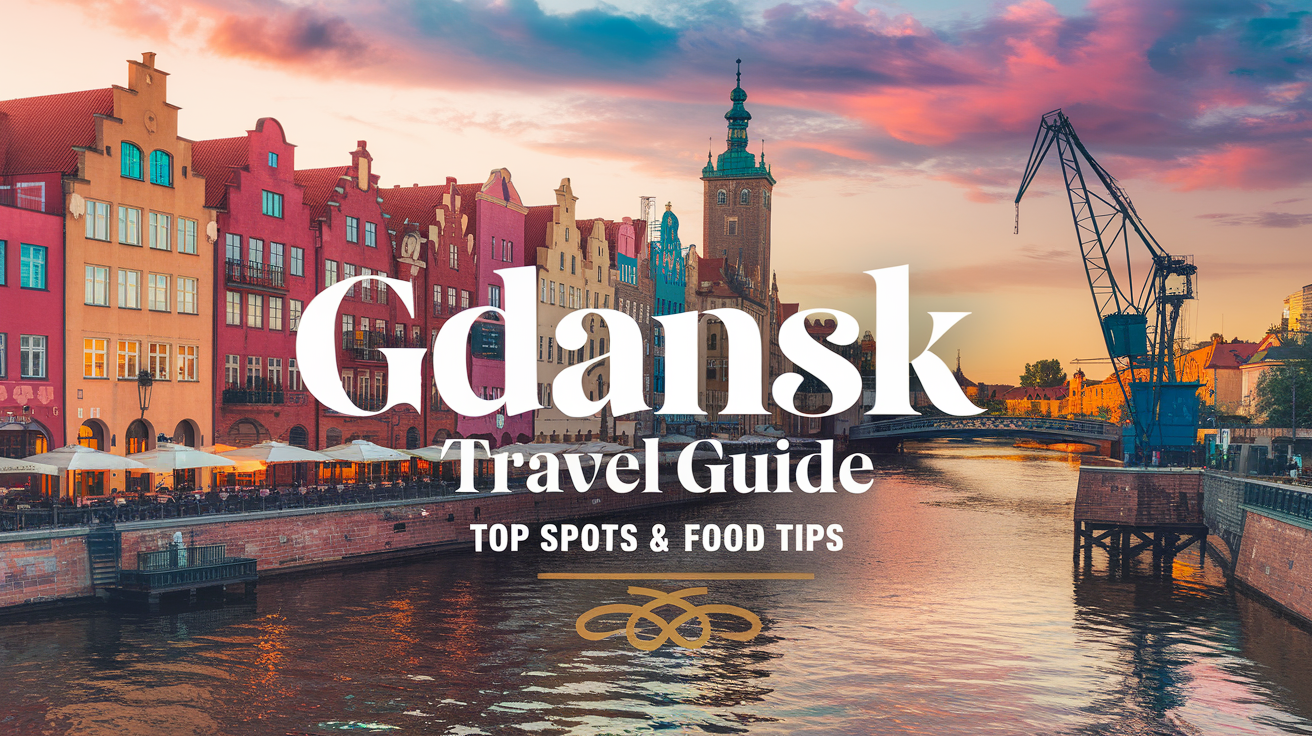
Gdansk, a jewel on the Baltic Sea, offers a captivating blend of rich history, stunning architecture, and vibrant culture. From its meticulously reconstructed Old Town and the bustling Long Market to the profound historical sites of Westerplatte and the European Solidarity Centre, this Polish port city invites visitors to explore centuries of maritime heritage and pivotal moments that shaped modern Europe. This guide details 20 must-visit attractions, providing essential information to help you navigate Gdansk’s enchanting streets and discover its unique charm.

1. Long Market (Długi Targ)
Description: The heart of Gdansk’s Old Town, the Long Market is a picturesque pedestrian street lined with colourful, meticulously reconstructed merchant houses, elegant cafes, and historical landmarks. It forms a central part of the ‘Royal Route’ through the city.
History: Serving as the main thoroughfare and market square since the Middle Ages, the Long Market was historically where important ceremonies and public events took place. Devastated during World War II, it was painstakingly rebuilt to its former glory, reflecting its Renaissance and Baroque architectural styles.
Google Maps: Long Market (Długi Targ) Location
Official Website: Visit Gdansk
Tickets: Free entry – Public street, free to access.
Opening Hours: 24/7 (public street, shops and restaurants have individual hours)
Travel Options: Accessible by foot from most Old Town accommodations. Trams and buses stop nearby.
Nearby Restaurants:
– Goldwasser: Historic restaurant known for traditional Polish cuisine and its unique gold-flake liqueur, Goldwasser.
– Drukarnia Cafe Bar: A popular spot for local craft beer, light meals, and a vibrant atmosphere.
Tips: Visit in the evening when the buildings are beautifully lit. Take a moment to admire the details of the facades and watch street performers.

2. Neptune’s Fountain
Description: An iconic symbol of Gdansk, Neptune’s Fountain is a magnificent Baroque sculpture depicting the Roman god of the sea, situated in the heart of the Long Market.
History: Commissioned in 1617 by the city authorities, the fountain was designed by Abraham van den Blocke and finished by Peter Husen and Johann Rogge. It reflects Gdansk’s strong maritime connections and its prosperity as a port city.
Google Maps: Neptune’s Fountain Location
Official Website: Visit Gdansk
Tickets: Free entry – Public monument, free to view.
Opening Hours: 24/7
Travel Options: Located directly on the Long Market, easily accessible on foot from anywhere in the Old Town.
Nearby Restaurants:
– Restauracja Kokieteria: Elegant dining with Polish and European cuisine, offering a sophisticated experience.
– Piwna47 Food & Wine Bar: Modern Polish cuisine with a focus on seasonal ingredients and an extensive wine list.
Tips: It’s a prime photo opportunity. Legend says that Goldwasser liqueur was invented after Neptune allowed the gold flakes to fall into a drink.

3. St. Mary’s Basilica (Bazylika Mariacka)
Description: Dominating the Gdansk skyline, St. Mary’s Basilica is one of the largest brick churches in the world and an outstanding example of Gothic architecture. It boasts impressive interiors and a towering belfry.
History: Construction began in 1343 and took over 150 years to complete, evolving into the massive structure seen today. Despite severe damage during World War II, the basilica was meticulously restored, preserving its historical and religious significance.
Google Maps: St. Mary’s Basilica (Bazylika Mariacka) Location
Official Website: Official Website
Tickets: Check ticket details – Free entry to the main nave; a small fee is charged to climb the tower.
Opening Hours: Check official website for current mass times and visitor hours.
Travel Options: A short walk from the Long Market and other Old Town attractions.
Nearby Restaurants:
– Bar Mleczny Neptun: A traditional Polish ‘milk bar’ offering affordable, hearty Polish dishes like pierogi and zurek in a classic setting.
– Gvara: A modern Polish restaurant known for its refined interpretation of traditional cuisine and cozy atmosphere.
Tips: Climb the 400+ steps to the top of the tower for unparalleled panoramic views of Gdansk’s Old Town and the Motlawa River.

4. Golden Gate (Złota Brama)
Description: An ornate Renaissance gate marking the western entrance to the Royal Route, the Golden Gate is adorned with allegorical sculptures symbolizing Gdansk’s virtues.
History: Built between 1612 and 1614 by Abraham van den Blocke, this gate replaced an older Gothic structure. Its architectural style blends Dutch Mannerism with local traditions, reflecting Gdansk’s prosperity and artistic influences.
Google Maps: Golden Gate (Złota Brama) Location
Official Website: Visit Gdansk
Tickets: Free entry – Public monument, free to pass through and view.
Opening Hours: 24/7
Travel Options: Located at the beginning of Dluga Street, a short walk from Gdansk Glowny train station.
Nearby Restaurants:
– Pierogarnia Mandu: Famous for its wide variety of delicious handmade pierogi, both traditional and modern fillings.
– Hard Rock Cafe Gdansk: American cuisine and rock ‘n’ roll memorabilia, a familiar international dining option.
Tips: Take time to observe the intricate details of the allegorical figures atop the gate, representing Peace, Freedom, Wealth, and Fame on the city side.

5. Gdansk Crane (Żuraw)
Description: The Gdansk Crane, or Żuraw, is an iconic symbol of the city’s maritime heritage. This medieval port crane and gate serves as a visible landmark on the Motlawa River and is part of the National Maritime Museum.
History: First mentioned in 1367, the current structure was built between 1442 and 1444, making it the largest working port crane in medieval Europe. It was used for loading goods, setting ship masts, and as a city gate.
Google Maps: Gdansk Crane (Żuraw) Location
Official Website: National Maritime Museum
Tickets: Book Tickets – Entry is included with a ticket to the National Maritime Museum.
Opening Hours: Check National Maritime Museum website for current hours.
Travel Options: Located on the Motlawa River, easily accessible by foot from the Long Market.
Nearby Restaurants:
– Billy’s American Restaurant: Offers classic American dishes like burgers, ribs, and steaks in a lively atmosphere.
– Tawerna Rybaki: Known for fresh fish and traditional Polish seafood dishes, with views of the river.
Tips: Visit the crane as part of your National Maritime Museum experience to understand its history and internal mechanisms. It’s especially picturesque from across the river.

6. Travel Tips: Navigating Gdansk
Description: Practical advice for getting around and experiencing Gdansk efficiently, making your visit smoother and more enjoyable.
History:
Google Maps: Travel Tips: Navigating Gdansk Location
Tickets: Check ticket details
Opening Hours: Check official website for current hours
Travel Options:
Nearby Restaurants:
Tips: Consider purchasing a Gdansk Tourist Card for discounts on public transport and museum entries. The Old Town is largely pedestrian-friendly, so comfortable walking shoes are a must. Public transport (trams and buses) is efficient for longer distances, and tickets can be bought from machines or the driver.

7. Westerplatte
Description: Westerplatte is a peninsula with profound historical significance, marking the site where World War II began with the first shots fired on September 1, 1939.
History: From 1926 to 1939, Westerplatte served as a Polish military transit depot. On September 1, 1939, German forces attacked the outpost, initiating a heroic seven-day defense against overwhelming odds, a symbol of Polish resistance.
Google Maps: Westerplatte Location
Official Website: Muzeum Westerplatte i Wojny 1939
Tickets: Free entry – The memorial grounds are free to access. Exhibitions, if available, may have a fee.
Opening Hours: Memorial grounds open 24/7. Check official website for any specific exhibition opening hours.
Travel Options: Accessible by public bus (line 106), water tram (seasonal), or taxi from Gdansk city center.
Nearby Restaurants:
– Restauracja Koga: Offers traditional Polish cuisine with a focus on seafood, located a short distance from Westerplatte.
– Restauracja Kubicki: One of Gdansk’s oldest restaurants, known for its historic ambiance and classic Polish dishes.
Tips: Allow ample time to walk through the grounds, reflect on the ruins, and visit the Monument to the Defenders of Westerplatte. Information panels provide historical context.

8. European Solidarity Centre (Europejskie Centrum Solidarności)
Description: A striking modern architectural complex, the European Solidarity Centre (ECS) is a museum and cultural institution dedicated to the history of the Solidarity movement and the fall of communism in Central and Eastern Europe.
History: Built on the site of the Gdansk Shipyard, the ECS commemorates the birth of the Solidarity trade union in 1980, which played a pivotal role in ending communist rule in Poland and inspiring broader changes across the region.
Google Maps: European Solidarity Centre (Europejskie Centrum Solidarności) Location
Official Website: Official Website
Tickets: Book Tickets – Ticket prices vary; audio guides are highly recommended and usually included.
Opening Hours: Check official website for current opening hours.
Travel Options: A 10-15 minute walk from Gdansk Glowny train station. Also accessible by bus and tram.
Nearby Restaurants:
– Stocznia Bistro: Located within the shipyard area, offering modern European cuisine in a casual setting.
– Brovarnia Gdańsk: A historic brewery and restaurant serving traditional Polish food alongside their craft beers.
Tips: Allocate at least 3-4 hours for a comprehensive visit to the permanent exhibition. The audio guide provides deep insights and personal accounts.

9. Oliwa Cathedral (Archikatedra Oliwska)
Description: The Archcathedral Basilica of the Holy Trinity in Oliwa is a magnificent Cistercian monastery church renowned for its impressive Rococo organ and rich architectural history.
History: Founded in the 12th century, the cathedral has undergone numerous transformations, from Romanesque to Gothic and Baroque styles. It was the heart of the Cistercian Abbey in Oliwa, an important monastic center.
Google Maps: Oliwa Cathedral (Archikatedra Oliwska) Location
Official Website: Official Website
Tickets: Check ticket details – Free entry to the cathedral; a small fee may apply for organ concerts or specific exhibitions.
Opening Hours: Check official website for current visitor hours and organ concert schedules.
Travel Options: Accessible by tram (lines 2, 4, 5, 6, 8, 11, 12) or bus to the Oliwa district. The stop is ‘Oliwa’.
Nearby Restaurants:
– Restauracja Pod Rybą: Offers traditional Polish dishes, with a focus on fresh fish, in a charming setting in Oliwa.
– Pizzeria Oliwa: A local favorite for casual Italian dining, serving classic pizzas and pastas.
Tips: Try to attend one of the daily organ concerts to experience the cathedral’s famous instrument. Check the schedule in advance.

10. Amber Museum (Muzeum Bursztynu)
Description: Dedicated to the ‘gold of the Baltic Sea,’ the Amber Museum showcases the history, formation, and artistic uses of amber, from ancient times to contemporary jewelry.
History: Housed within the historic Great Mill building, the museum highlights Gdansk’s long-standing connection to amber trade and craftsmanship, dating back to the Amber Road.
Google Maps: Amber Museum (Muzeum Bursztynu) Location
Official Website: Museum of Gdansk
Tickets: Book Tickets – Standard entry fees apply; check website for current prices and discounts.
Opening Hours: Check official website for current opening hours.
Travel Options: Located inside the Great Mill, a short walk from Gdansk Glowny train station and the Old Town.
Nearby Restaurants:
– Kawiarnia Palce Lizać: A popular cafe known for its delicious cakes, pastries, and coffee, perfect for a sweet treat.
– Tawerna Gdańska: A traditional Polish tavern offering hearty meals in a historical and rustic setting.
Tips: Look for fascinating inclusions within the amber, such as ancient insects or plant fragments. The museum shop offers authentic amber jewelry.
11. Great Mill (Wielki Młyn)
Description: One of the largest medieval industrial buildings in Europe, the Great Mill is a historic water-powered grain mill that now houses the Amber Museum.
History: Built by the Teutonic Knights in the 14th century, the Great Mill utilized the waters of the Radunia Canal to operate its massive grinding wheels. It remained operational for centuries, symbolizing Gdansk’s early industrial prowess.
Google Maps: Great Mill (Wielki Młyn) Location
Official Website: Museum of Gdansk
Tickets: Free entry – Free to view the exterior; entry fee applies for the Amber Museum located inside.
Opening Hours: 24/7 (exterior). Amber Museum hours vary; check its official website.
Travel Options: Situated near Gdansk Glowny train station, an easy walk from the Old Town.
Nearby Restaurants:
– Pyra Bar: Specializes in creative and delicious potato dishes, offering a unique and comforting dining experience.
– Chleb i Wino: A bakery and wine bar, excellent for fresh bread, light meals, and a relaxed ambiance.
Tips: Admire the impressive scale and engineering of the building from the outside, then explore the Amber Museum within to see how it has been repurposed.
12. Travel Tips: Best Times to Visit
Description: Advice on seasonal considerations for a trip to Gdansk, helping you choose the ideal time based on weather, crowds, and events.
History:
Google Maps: Travel Tips: Best Times to Visit Location
Tickets: Check ticket details
Opening Hours: Check official website for current hours
Travel Options:
Nearby Restaurants:
Tips: Summer (June-August) offers the warmest weather and numerous festivals, but also the largest crowds and highest prices. Spring (April-May) and early autumn (September-October) provide comfortable temperatures, fewer tourists, and beautiful scenery. Winter (November-March) can be cold but offers charming Christmas markets and a festive atmosphere with fewer visitors.
13. Golden House (Złota Kamienica)
Description: One of the most magnificent tenement houses on the Long Market, the Golden House stands out with its richly decorated facade, covered in golden sculptures and reliefs.
History: Built between 1609 and 1618 for Jan Speimann, a wealthy Gdansk merchant and mayor, the Golden House is a prime example of Renaissance artistry and the city’s prosperity during its golden age.
Google Maps: Golden House (Złota Kamienica) Location
Official Website: Visit Gdansk
Tickets: Free entry – The exterior is free to view. The interior is not generally open to the public.
Opening Hours: 24/7 (exterior)
Travel Options: Located prominently on the Long Market, easily accessible on foot.
Nearby Restaurants:
– Degustatornia: A popular spot for craft beer enthusiasts, offering a wide selection of local and international brews along with bar snacks.
– Pod Łososiem: A historic and upscale restaurant renowned for its traditional Polish cuisine, particularly seafood, and elegant ambiance.
Tips: Take a moment to admire the intricate details of the facade, including mythological figures and portraits of Polish monarchs. It’s especially stunning when lit up at night.
14. Artus Court (Dwór Artusa)
Description: A historic meeting place for merchants and dignitaries, Artus Court is an architectural gem on the Long Market, now serving as a branch of the Museum of Gdansk.
History: Built in the 14th century, Artus Court was the social and commercial hub for Gdansk’s elite, hosting festive gatherings, court proceedings, and important ceremonies. It was meticulously restored after significant damage during WWII.
Google Maps: Artus Court (Dwór Artusa) Location
Official Website: Museum of Gdansk
Tickets: Book Tickets – Standard entry fees apply; check website for current prices.
Opening Hours: Check official website for current opening hours.
Travel Options: Located directly on the Long Market, easily accessible on foot.
Nearby Restaurants:
– Restauracja Gdańska: Offers traditional Polish dishes and a classic, elegant setting with views of the Long Market.
– Restauracja Goldwasser: Known for its historic ambiance, traditional Polish cuisine, and its namesake gold-flake liqueur.
Tips: Step inside to marvel at the grand interior, featuring a massive Renaissance tiled stove and intricate woodwork. The details tell stories of Gdansk’s powerful past.
15. Mariacka Street (Ulica Mariacka)
Description: Mariacka Street is one of Gdansk’s most picturesque and enchanting streets, known for its unique ‘front terraces’ (przedproża), charming amber shops, and cozy cafes.
History: This cobbled street has retained much of its historic character, with its distinctive architecture and narrow, elegant houses. It traditionally served as a thoroughfare for merchants and artisans, leading to St. Mary’s Basilica.
Google Maps: Mariacka Street (Ulica Mariacka) Location
Official Website: Visit Gdansk
Tickets: Free entry – Public street, free to explore.
Opening Hours: 24/7 (shops and cafes have individual hours)
Travel Options: A short walk from St. Mary’s Basilica and the Motlawa River promenade.
Nearby Restaurants:
– Pikawa: A cozy cafe popular for its wide selection of teas, coffees, and delicious homemade cakes and pastries.
– Tawerna Gdańska: A traditional Polish tavern offering hearty meals in a historical and rustic setting, just off Mariacka Street.
Tips: Take your time to browse the unique amber jewelry in the many boutiques. Enjoy a coffee or local beer on one of the charming terraces, soaking in the atmosphere.
16. Museum of the Second World War (Muzeum II Wojny Światowej)
Description: A comprehensive and modern museum dedicated to documenting the causes, course, and consequences of World War II, offering a profound and often moving visitor experience.
History: Opened in 2017, the museum is located near the Motlawa River and aims to present the universal human experience of war, not just from a Polish perspective but also highlighting its global impact and individual fates.
Google Maps: Museum of the Second World War (Muzeum II Wojny Światowej) Location
Official Website: Official Website
Tickets: Book Tickets – Standard entry fees apply; pre-booking online is recommended, especially during peak season.
Opening Hours: Check official website for current opening hours, which can vary by season.
Travel Options: A 15-20 minute walk from the Long Market, or a short tram/bus ride. Located near the Motlawa River.
Nearby Restaurants:
– Kresowa: A restaurant specializing in traditional Polish and Eastern European cuisine, known for its hearty portions.
– Eliksir: A sophisticated restaurant offering fine dining, creative cocktails, and often a tasting menu.
Tips: Allocate at least 4-5 hours for a thorough visit, as the main exhibition is extensive and detailed. An audio guide is highly recommended.
17. Green Gate (Zielona Brama)
Description: Standing at the end of the Long Market by the Motlawa River, the Green Gate is a grand, Dutch Mannerist style gate, once intended as a royal residence.
History: Built between 1564 and 1568, it was designed by Regnier van Amsterdam and Hans Kramer. Though originally conceived as a residence for Polish monarchs visiting Gdansk, it never served that purpose, primarily functioning as a city gate.
Google Maps: Green Gate (Zielona Brama) Location
Official Website: National Museum in Gdansk
Tickets: Free entry – Free to pass through. The interior occasionally hosts temporary exhibitions, which may have an entry fee.
Opening Hours: 24/7 (for passage). Exhibition hours vary, check the National Museum website.
Travel Options: Located at the end of the Long Market, a central and easily walkable location.
Nearby Restaurants:
– Brovarnia Gdańsk: A historic brewery and restaurant serving traditional Polish food alongside their craft beers, with a prime riverfront location.
– Zafishowani: A highly-rated seafood restaurant focusing on fresh, locally sourced fish and modern Polish cuisine.
Tips: Admire the impressive architecture from both the Long Market side and the Motlawa River side. It’s a great spot for photos, especially with the river in the background.
18. Travel Tips: Local Etiquette and Safety
Description: Essential advice for a respectful and safe visit to Gdansk, covering common customs and practical safety measures.
History:
Google Maps: Travel Tips: Local Etiquette and Safety Location
Tickets: Check ticket details
Opening Hours: Check official website for current hours
Travel Options:
Nearby Restaurants:
Tips: Basic Polish phrases like ‘Dzień dobry’ (Good morning) and ‘Dziękuję’ (Thank you) are appreciated. Tipping around 10% in restaurants is customary for good service. Always be aware of your surroundings, especially in crowded tourist areas, and secure your valuables. In case of emergency, dial 112 for all services.
19. Motlawa River Promenade
Description: The scenic promenade along the Motlawa River offers picturesque views of Gdansk’s historic waterfront, including the iconic Crane, reconstructed merchant houses, and various boats.
History: The Motlawa River has been central to Gdansk’s existence for centuries, serving as a vital trade artery. The promenade allows visitors to stroll along this historic waterway, enjoying the revitalized waterfront.
Google Maps: Motlawa River Promenade Location
Official Website: Visit Gdansk
Tickets: Free entry – Public walkway, free to access.
Opening Hours: 24/7
Travel Options: Easily accessible by foot from the Long Market and other Old Town attractions.
Nearby Restaurants:
– Restauracja Goldwasser: Offers traditional Polish cuisine with a refined touch and excellent views of the Motlawa River.
– Zafishowani: A highly-rated seafood restaurant focusing on fresh, locally sourced fish and modern Polish cuisine, located near the promenade.
Tips: Take a leisurely stroll, enjoy the river breeze, and consider taking a water tram or pirate ship cruise for a different perspective of the city.
20. Gdansk Shipyard and the Shipyard Crane
Description: The historic Gdansk Shipyard is a site of immense historical significance, famously the birthplace of the Solidarity movement. The surrounding area features monuments and industrial relics, including the distinctive Shipyard Crane.
History: Established in the mid-19th century, the Gdansk Shipyard became a major shipbuilding center. It gained global recognition as the epicenter of the Solidarity trade union’s strikes in 1980, which played a crucial role in the fall of communism in Eastern Europe.
Google Maps: Gdansk Shipyard and the Shipyard Crane Location
Official Website: European Solidarity Centre
Tickets: Free entry – The shipyard area is generally open to observe. Entry fees apply for specific museums within, like the European Solidarity Centre.
Opening Hours: Exterior views 24/7. Specific attractions within the shipyard area have individual opening hours.
Travel Options: A short walk from the European Solidarity Centre, accessible by tram or bus from Gdansk Glowny train station.
Nearby Restaurants:
– Stocznia Bistro: A modern European bistro located within the shipyard area, popular for its contemporary dishes and casual vibe.
– Wyspa Skarbów: Offers traditional Polish cuisine in a relaxed setting, a good option for a hearty meal near the shipyard.
Tips: Combine a visit to the shipyard with the European Solidarity Centre to fully grasp its historical importance. Look for the Three Crosses Monument nearby, a memorial to fallen shipyard workers.
AI Travel Tools