


Rio de Janeiro, a city of breathtaking natural beauty and vibrant culture, is a must-visit for any traveler. From iconic landmarks to sun-drenched beaches and lush national parks, this guide unveils the top 20 attractions that define the ‘Marvelous City’, complete with practical details to help you plan your unforgettable adventure.
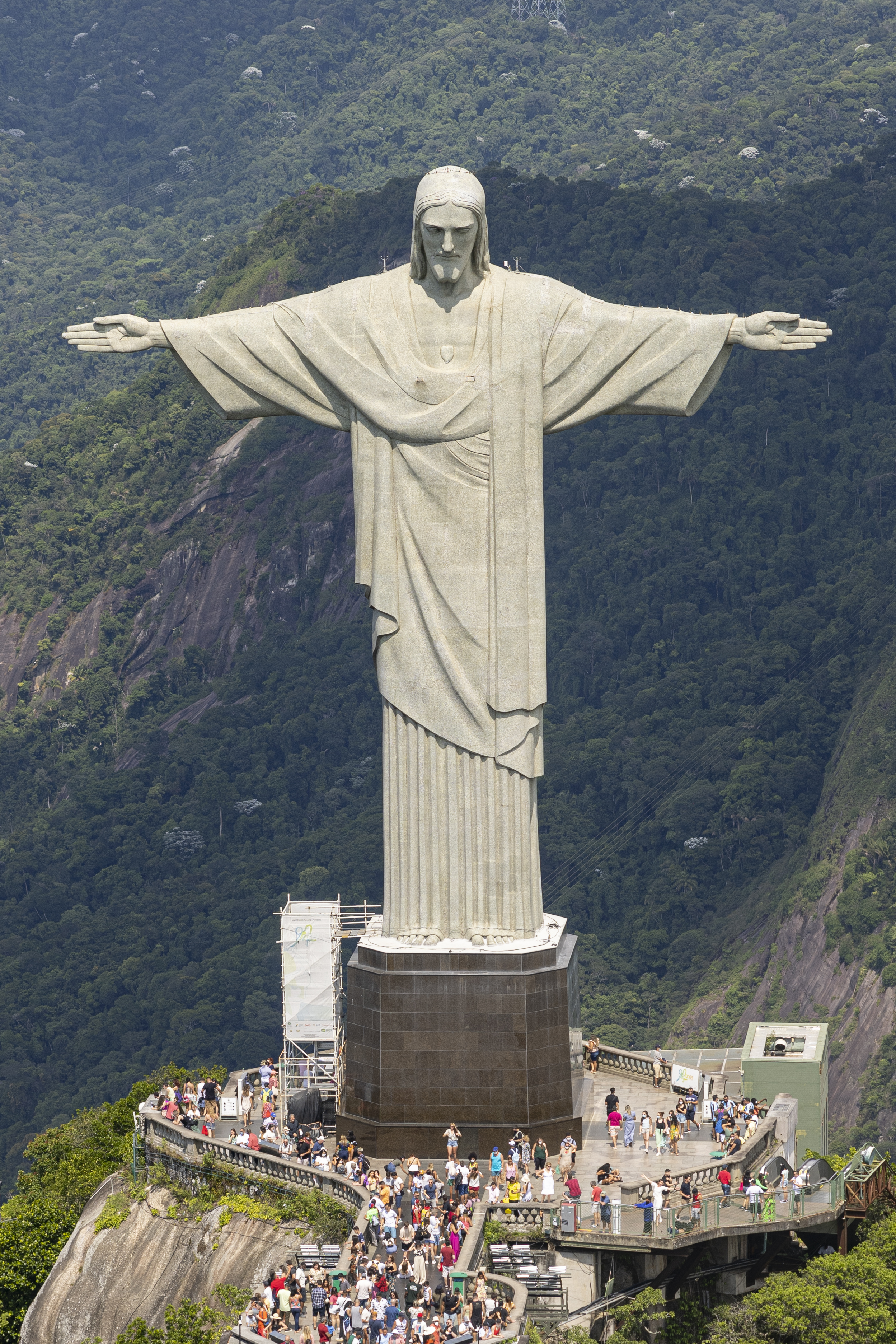
1. Christ the Redeemer
Description: The iconic Art Deco statue of Jesus Christ overlooking Rio de Janeiro from the peak of Corcovado Mountain, a global symbol of Brazil and a New Seven Wonder of the World.
History: Completed in 1931, the statue was designed by French sculptor Paul Landowski and built by Brazilian engineer Heitor da Silva Costa. Its construction took nine years, becoming a symbol of Brazilian Christianity.
Google Maps: Christ the Redeemer Location
Official Website: Official Christ the Redeemer Website
Tickets: Book Tickets – Tickets are required for the train or official vans to access the statue. Book in advance, especially during peak season.
Opening Hours: Typically 8:00 AM – 7:00 PM (last train/van around 6:00 PM). Check official website for current hours as they can vary seasonally.
Travel Options: Cog train from Cosme Velho, official vans from Largo do Machado, Copacabana, and Paineiras, or hike through Tijuca National Park (for experienced hikers).
Nearby Restaurants:
– Restaurante Paineiras: Located at the Paineiras visitor center, offering buffet-style dining with scenic views.
– Aprazível: In Santa Teresa, known for its Brazilian cuisine and panoramic city views.
Tips: Visit early in the morning or late afternoon for fewer crowds and better photo opportunities, especially at sunset. Wear comfortable shoes and bring water.

2. Sugarloaf Mountain (Pão de Açúcar)
Description: A towering peak at the mouth of Guanabara Bay, famous for its panoramic views of Rio, its beaches, and surrounding mountains, accessed by a two-stage cable car.
History: Named for its resemblance to a concentrated loaf of refined sugar, the first cable car route was inaugurated in 1912, marking a significant engineering achievement in Brazil.
Google Maps: Sugarloaf Mountain (Pão de Açúcar) Location
Official Website: Official Sugarloaf Mountain Website
Tickets: Book Tickets – Tickets are required for the cable car ride. Purchase online for convenience and to potentially avoid queues.
Opening Hours: Typically 8:30 AM – 8:00 PM (last boarding around 6:30 PM). Check official website for current hours, which may vary.
Travel Options: Bus or taxi/ride-share to Praia Vermelha (base station). Metro to Botafogo station, then a short bus or taxi ride.
Nearby Restaurants:
– Pão de Açúcar Gourmet: Located at the top, offering quick bites, coffee, and stunning views.
– Bar Urca: A traditional bar in Urca (near the base), famous for its ‘bolinhos de bacalhau’ (codfish cakes) and chopp (draft beer).
Tips: Go late afternoon to experience both daylight views and sunset over the city. The cable car system has two stages; both offer unique perspectives.

3. Copacabana Beach
Description: One of the most famous beaches in the world, known for its crescent-shaped stretch of sand, vibrant atmosphere, and iconic mosaic promenade designed by Roberto Burle Marx.
History: Gained international fame in the mid-20th century as a playground for the rich and famous. It has hosted various major events, including the FIFA World Cup beach party and Olympic beach volleyball.
Google Maps: Copacabana Beach Location
Tickets: Free entry – Public beach, free to access for all visitors.
Opening Hours: 24 hours, daily.
Travel Options: Metro (Cardeal Arcoverde, Siqueira Campos, Cantagalo stations), numerous bus lines, taxi/ride-share, or walk from nearby neighborhoods.
Nearby Restaurants:
– Churrascaria Palace: A traditional rodízio-style steakhouse known for its high-quality meats and classic ambiance.
– Marius Degustare: Offers an extravagant seafood and barbecue buffet in a uniquely decorated setting.
Tips: Be aware of your belongings, especially on crowded days. Enjoy people-watching, rent a chair and umbrella, or try a coconut water from a beach kiosk.

4. Ipanema Beach
Description: Famed globally by "The Girl from Ipanema," this upscale beach is known for its beautiful people, vibrant social scene, and stunning views of the Dois Irmãos (Two Brothers) mountains.
History: Became iconic in the 1960s with the bossa nova song. It remains a trendy spot, often divided into ‘postos’ (posts) each with its own distinct vibe.
Google Maps: Ipanema Beach Location
Tickets: Free entry – Public beach, free to access for all visitors.
Opening Hours: 24 hours, daily.
Travel Options: Metro (General Osório, Nossa Senhora da Paz stations), various bus lines, taxi/ride-share, or walk from adjacent neighborhoods.
Nearby Restaurants:
– Garota de Ipanema: The legendary bar where the song ‘The Girl from Ipanema’ was composed, known for its history and Brazilian dishes.
– Bar do Beto: A popular spot known for its delicious seafood and lively atmosphere.
Tips: Rent a ‘canga’ (sarong) from a vendor, try some ‘queijo coalho’ (grilled cheese on a stick), and enjoy the sunset from Arpoador rock, located at one end of the beach.

5. Tijuca National Park
Description: One of the world’s largest urban rainforests, home to diverse flora and fauna, waterfalls, hiking trails, and incredible viewpoints, including Vista Chinesa and Pico da Tijuca.
History: A result of a massive reforestation effort in the 19th century to restore the forest cover that had been cleared for coffee plantations. Declared a National Park in 1961.
Google Maps: Tijuca National Park Location
Official Website: Official Tijuca National Park Website
Tickets: Free entry – Access to the park is generally free, but some specific attractions within might have fees or guided tour costs.
Opening Hours: Generally 8:00 AM – 5:00 PM (some areas accessible 24 hours, but daylight is recommended). Check official website for specific area timings.
Travel Options: Taxi/ride-share is the most convenient for direct access to specific points. Some tour operators offer guided tours. Limited public bus access to certain entrances.
Nearby Restaurants:
– O Espaço: Located near the park entrance, offering traditional Brazilian food in a rustic setting.
– Restaurante Os Esquilos: A historic restaurant within the park, known for its charming setting and local cuisine.
Tips: Wear sturdy shoes, bring insect repellent, and carry water. Consider hiring a guide for hiking trails. Do not feed the monkeys or other wildlife.

6. Maracanã Stadium
Description: An iconic football (soccer) stadium, steeped in history, having hosted two FIFA World Cup Finals and the opening and closing ceremonies of the 2016 Summer Olympics.
History: Opened in 1950 for the FIFA World Cup, it was once the world’s largest stadium by capacity. It has undergone several renovations, notably for the 2014 World Cup and 2016 Olympics.
Google Maps: Maracanã Stadium Location
Official Website: Official Maracanã Stadium Website
Tickets: Book Tickets – Tickets are required for stadium tours. Game tickets vary by match and can be purchased separately.
Opening Hours: Tour hours typically 9:00 AM – 5:00 PM. Check official website for current hours and game schedules.
Travel Options: Metro (Maracanã station – Line 2, and São Cristóvão station – Line 2), train (Maracanã station), numerous bus lines.
Nearby Restaurants:
– Bar do Oswaldo: A classic ‘boteco’ in the nearby Tijuca neighborhood, known for its seafood ‘pastéis’ and ‘caipirinhas’.
– Costelão do Jorginho: Famous for its slow-cooked ribs (‘costelão’) and traditional Brazilian ‘feijoada’.
Tips: If attending a match, arrive early to soak in the atmosphere. The stadium tour offers a fascinating look behind the scenes and into its history.

7. Lapa Arches and Escadaria Selarón
Description: The Lapa Arches are a grand Roman-style aqueduct that now serves as a viaduct for the Santa Teresa tram. Nearby, the vibrant Escadaria Selarón is a famous set of steps adorned with colorful tiles by Chilean artist Jorge Selarón.
History: The Arches (Arcos da Lapa) were built in the mid-18th century to bring water to the city. The Selarón Steps began in 1990 when Selarón started renovating the dilapidated steps, eventually covering them with over 2000 tiles from around the world.
Google Maps: Lapa Arches and Escadaria Selarón Location
Tickets: Free entry – Both landmarks are public and free to access. The Santa Teresa tram has a small fare.
Opening Hours: 24 hours, daily for public access.
Travel Options: Metro (Cinelândia station, then a short walk), numerous bus lines, taxi/ride-share. The Santa Teresa tram also passes over the arches.
Nearby Restaurants:
– Bar da Cachaça: A traditional Lapa bar famous for its vast selection of cachaça and lively atmosphere.
– Rio Scenarium: A renowned live music venue and restaurant in Lapa, known for its antique decor and Brazilian cuisine.
Tips: Visit during daylight hours for best photos of Escadaria Selarón. Be aware of your surroundings, especially after dark in Lapa, which becomes a lively nightlife hub.

8. Botanical Garden (Jardim Botânico)
Description: A stunning 140-hectare garden featuring an incredible collection of over 6,000 species of plants, including a grand avenue of royal palms, orchidarium, and a sensory garden.
History: Founded in 1808 by King John VI of Portugal, initially to acclimate spices imported from the East. It became a public garden in 1822.
Google Maps: Botanical Garden (Jardim Botânico) Location
Official Website: Official Botanical Garden Website
Tickets: Book Tickets – Entry fee applies. Check website for current pricing and online purchase options.
Opening Hours: Typically 8:00 AM – 5:00 PM (Monday 12:00 PM – 5:00 PM). Check official website for current hours.
Travel Options: Bus, taxi/ride-share. Located in the Jardim Botânico neighborhood, easily accessible from Copacabana and Ipanema.
Nearby Restaurants:
– Braseiro da Gávea: A popular spot known for its delicious ‘picanha’ (top sirloin) and lively atmosphere.
– Prana Vegetariano: A charming vegetarian restaurant offering healthy and creative dishes.
Tips: Allow several hours to explore the expansive gardens. Bring insect repellent, especially during warmer months. Look out for the resident monkeys and exotic birds.

9. Santa Teresa Neighborhood
Description: A bohemian hillside neighborhood characterized by its narrow, winding streets, historic mansions, art studios, and panoramic views, traversed by the historic Santa Teresa tram.
History: Developed in the 19th century as a residential area for the upper class, it later attracted artists and intellectuals. The tram, ‘bondinho’, has been operating since 1891.
Google Maps: Santa Teresa Neighborhood Location
Tickets: Check ticket details – The Santa Teresa tram usually requires a small fare. Exploring the neighborhood itself is free.
Opening Hours: The neighborhood is always open. Shops and galleries have varying hours, typically daylight to early evening.
Travel Options: Santa Teresa tram from Cinelândia (check operational status), taxi/ride-share, or bus.
Nearby Restaurants:
– Aprazível: Renowned for its exquisite Brazilian cuisine and breathtaking views over the city.
– Bar do Gomez: A traditional ‘boteco’ famous for its ‘petiscos’ (Brazilian tapas) and cold beer.
Tips: Wear comfortable walking shoes as the streets are steep and cobbled. Explore the various art galleries and enjoy a meal with a view.
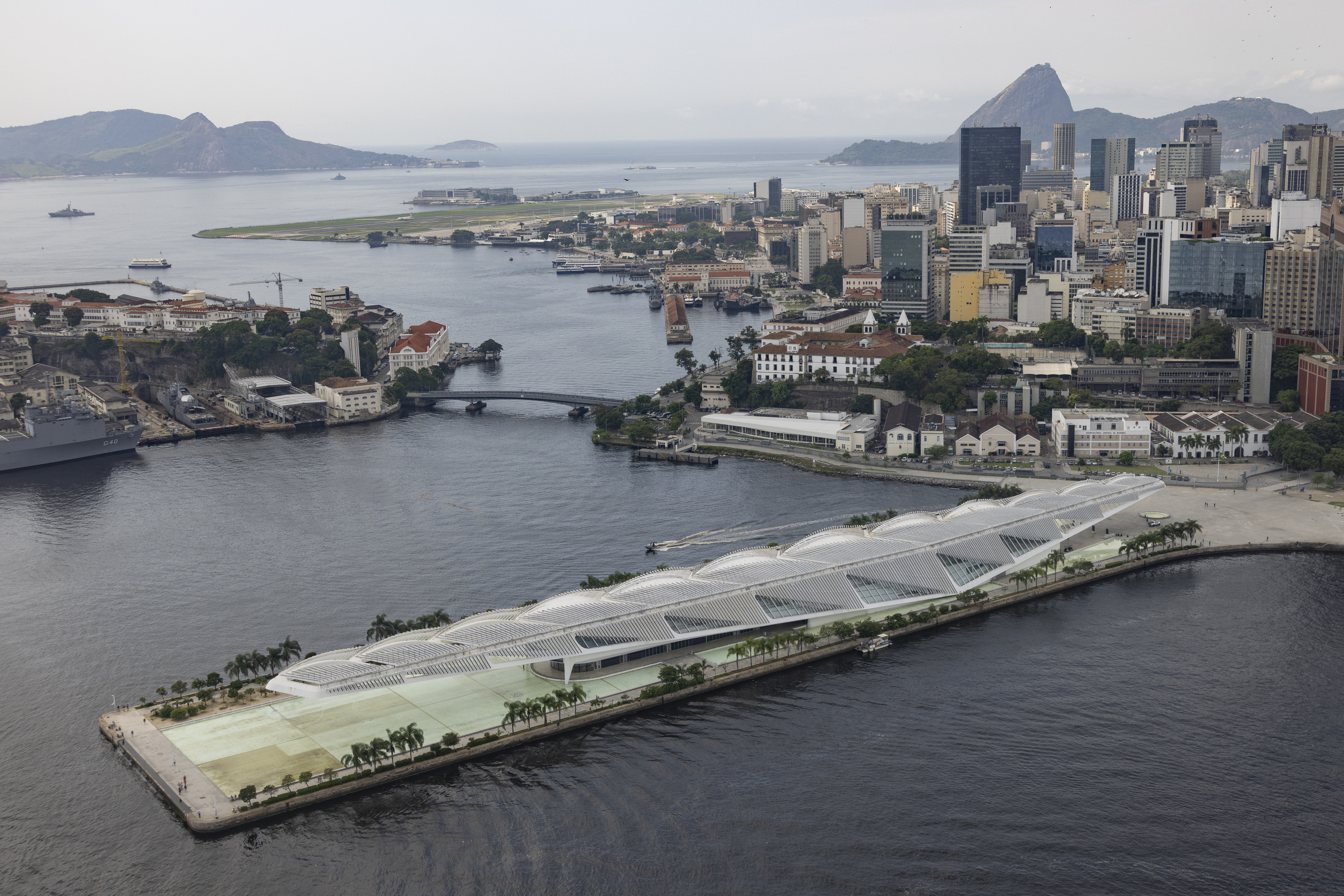
10. Museum of Tomorrow (Museu do Amanhã)
Description: An innovative science museum focusing on sustainability, climate change, and the future of humanity, housed in a striking, futuristic building designed by Santiago Calatrava at Pier Mauá.
History: Opened in 2015 as part of the Porto Maravilha urban redevelopment project for the 2016 Olympics. It quickly became an architectural icon and a leading cultural institution.
Google Maps: Museum of Tomorrow (Museu do Amanhã) Location
Official Website: Official Museum of Tomorrow Website
Tickets: Book Tickets – Entry fee applies. Purchase online for specific time slots, especially on weekends and holidays.
Opening Hours: Typically 10:00 AM – 6:00 PM (closed Mondays). Check official website for current hours.
Travel Options: Metro (Uruguaiana or Cinelândia station, then walk or VLT tram), VLT tram (Parada dos Museus or Parada dos Navios stations), bus, taxi/ride-share.
Nearby Restaurants:
– Mauá: Restaurant inside the museum offering contemporary Brazilian cuisine with bay views.
– Casa Porto: A charming restaurant in the Porto Maravilha area known for its traditional Brazilian food and cozy atmosphere.
Tips: Book tickets in advance, especially during peak times. Combine your visit with a stroll along the revitalized waterfront and visit the nearby AquaRio.
11. Cinelândia
Description: A historic public square in downtown Rio, surrounded by architectural masterpieces like the Municipal Theatre, National Library, and National Museum of Fine Arts. It’s a cultural and historical hub.
History: Once known as "Praça Marechal Floriano," it was renamed "Cinelândia" in the early 20th century due to the proliferation of cinemas. It was a popular cultural and entertainment district.
Google Maps: Cinelândia Location
Tickets: Free entry – The square is free to explore. Individual venues may charge for entry or performances.
Opening Hours: 24 hours, daily.
Travel Options: Metro (Cinelândia station), numerous bus lines, VLT tram.
Nearby Restaurants:
– Amarelinho: A classic bar and restaurant in Cinelândia, famous for its traditional Brazilian dishes and lively ambiance.
– Bar Luiz: A historic German-Brazilian bar near Cinelândia, known for its traditional German cuisine and beer.
Tips: Take a guided walking tour of the area to learn about its rich history. Check schedules for performances at the Municipal Theatre for a cultural experience.
12. Parque Lage
Description: A beautiful public park and mansion nestled at the foot of Corcovado, featuring lush gardens, grottoes, walking trails, and a stunning Italianate palazzo that houses an art school and a cafe.
History: Originally a sugar mill, it was transformed into a private residence in the 19th century. In the 1920s, it was remodeled by Henrique Lage for his wife, opera singer Gabriella Besanzoni, in a romantic style. Now home to the Escola de Artes Visuais do Parque Lage.
Google Maps: Parque Lage Location
Official Website: Official Parque Lage Website
Tickets: Free entry – Entrance to the park is generally free. Reservations may be required for specific exhibition visits or the cafe.
Opening Hours: Typically 9:00 AM – 5:00 PM. Check official website for current hours.
Travel Options: Bus, taxi/ride-share. Located near the Botanical Garden, accessible from Copacabana and Ipanema.
Nearby Restaurants:
– Plage Café: Located within the mansion, offers breakfast, lunch, and coffee with views of the courtyard and Corcovado.
– Jardim Botânico Area Restaurants: Several options nearby in the Jardim Botânico neighborhood, from casual to upscale eateries.
Tips: Arrive early to enjoy the tranquil atmosphere and avoid crowds, especially at the café. It’s a popular spot for photos with Christ the Redeemer visible through the mansion arch.
13. Quinta da Boa Vista
Description: A large public park that was once the imperial residence of the Portuguese royal family and later the Brazilian imperial family. It features expansive green spaces, lakes, and was formerly home to the National Museum.
History: Became the imperial family’s residence in 1808. After the fall of the monarchy in 1889, it was opened to the public. The former palace housed the National Museum until a fire in 2018.
Google Maps: Quinta da Boa Vista Location
Official Website: Official National Museum Website
Tickets: Free entry – The park is free to enter. The National Museum is currently undergoing reconstruction; check its website for updates on reopening.
Opening Hours: Typically 6:00 AM – 6:00 PM. Park hours may vary, especially for specific attractions or events.
Travel Options: Metro (São Cristóvão station), train (São Cristóvão station), numerous bus lines.
Nearby Restaurants:
– Feira de São Cristóvão: A vibrant market nearby, offering diverse Northeastern Brazilian cuisine and live music.
– Bar do David: An award-winning bar in the Chácara do Céu favela, known for its innovative ‘petiscos’ and craft beer.
Tips: Ideal for a relaxing stroll or picnics. Be mindful of personal belongings, especially in crowded areas. Check for any events or local markets in the vicinity.
14. Leblon Beach
Description: The extension of Ipanema Beach, Leblon is an upscale, family-friendly beach known for its calmer atmosphere, luxurious surroundings, and beautiful views.
History: A natural continuation of Ipanema, Leblon developed into one of Rio’s most exclusive neighborhoods, attracting a more relaxed crowd compared to its more bustling counterparts.
Google Maps: Leblon Beach Location
Tickets: Free entry – Public beach, free to access for all visitors.
Opening Hours: 24 hours, daily.
Travel Options: Metro (Antero de Quental station), bus, taxi/ride-share, or walk from Ipanema.
Nearby Restaurants:
– Oro: A Michelin-starred restaurant offering contemporary Brazilian cuisine with a tasting menu experience.
– Jobi: A classic Leblon ‘boteco’ known for its bustling atmosphere, cold draft beer, and traditional Brazilian snacks.
Tips: Enjoy the quieter ambiance compared to Copacabana or Ipanema. Great for families, with a dedicated children’s play area (Baixo Baby) at one end.
15. Feira Hippie de Ipanema (Ipanema Hippie Market)
Description: A traditional Sunday open-air market held in Praça General Osório, offering a wide array of handicrafts, art, jewelry, clothing, and local food.
History: Started in 1968, it became a cultural landmark, a meeting point for artists, artisans, and tourists. It’s known for its authentic, handmade Brazilian goods.
Google Maps: Feira Hippie de Ipanema (Ipanema Hippie Market) Location
Tickets: Free entry – Free to enter and browse. Items for sale vary in price.
Opening Hours: Sundays, typically 10:00 AM – 6:00 PM. Confirm locally for exact hours.
Travel Options: Metro (General Osório station, exits directly into the square), bus, taxi/ride-share.
Nearby Restaurants:
– Bar Paz e Amor: A casual bar near the market, perfect for a quick snack or drink after browsing.
– Frontera: A popular all-you-can-eat buffet restaurant with a variety of Brazilian and international dishes.
Tips: Bring cash for smaller purchases and be prepared to bargain playfully. Look for unique souvenirs like leather goods, paintings, and handmade jewelry. Try a traditional Acarajé from a food stall.
16. Rodrigo de Freitas Lagoon
Description: A large, scenic lagoon nestled between several upscale neighborhoods, offering stunning views of Christ the Redeemer and surrounding mountains. Popular for outdoor activities like cycling, jogging, and paddleboarding.
History: Named after a 17th-century Portuguese landowner. The lagoon is a significant ecological area and a popular recreational spot for locals and tourists.
Google Maps: Rodrigo de Freitas Lagoon Location
Tickets: Free entry – Public area, free to access. Rentals for bikes, paddleboards, and pedal boats are available for a fee.
Opening Hours: 24 hours, daily.
Travel Options: Bus, taxi/ride-share, or walk from Ipanema, Leblon, or Lagoa neighborhoods. Several metro stations are within walking distance (e.g., Cantagalo, Nossa Senhora da Paz).
Nearby Restaurants:
– Palaphita Kitch: A stylish, open-air restaurant by the lagoon, known for its Amazonian-inspired cuisine and cocktails.
– Lagoon Restaurant Complex: Offers a variety of dining options with lagoon views, from sushi to international cuisine.
Tips: Rent a bike and cycle the 7.5km path around the lagoon. Enjoy a sunset picnic with views of Christ the Redeemer, which is beautifully illuminated at night.
17. Sambadrome (Sambódromo)
Description: A purpose-built parade avenue designed by Oscar Niemeyer, where the annual Rio Carnival samba school parades take place, drawing massive crowds and celebrating Brazilian culture.
History: Inaugurated in 1984, it was built to provide a dedicated venue for the increasingly popular Carnival parades. It also hosts other large events and cultural activities throughout the year.
Google Maps: Sambadrome (Sambódromo) Location
Official Website: LIESA (Sambadrome Organizer) Website
Tickets: Check ticket details – Tickets are required for Carnival parades and major events. Prices vary greatly by sector and event date, and sell out quickly.
Opening Hours: Closed to the public outside of events. During Carnival, hours are evening/night. Check event schedules.
Travel Options: Metro (Central do Brasil or Praça Onze stations), bus, taxi/ride-share. During Carnival, special transportation arrangements are common.
Nearby Restaurants:
– Aconchego Carioca: A popular bar in Praça da Bandeira (nearby) known for its award-winning ‘feijoada bolinhos’.
– Bar do Zeca Pagodinho: Named after a famous samba singer, offering live samba and traditional Brazilian food in the nearby Grande Tijuca area.
Tips: If visiting during Carnival, book tickets and accommodations well in advance. Consider a guided tour to understand its history and significance outside of Carnival season.
18. Forte de Copacabana
Description: A historic military fort at the end of Copacabana Beach, offering panoramic views of Copacabana, Ipanema, and Leblon beaches, as well as the Sugarloaf Mountain. It houses the Army Historical Museum.
History: Completed in 1914 as a coastal defense post. It played a role in Brazilian political history, notably during the Tenentista revolts. It was decommissioned in 1987 and opened to the public in 1992.
Google Maps: Forte de Copacabana Location
Official Website: Official Forte de Copacabana Website
Tickets: Check ticket details – A small entrance fee is required to access the fort and museum grounds.
Opening Hours: Typically 10:00 AM – 6:00 PM (museum closes earlier, cafe opens earlier). Closed Mondays. Check official website for current hours.
Travel Options: Walk from Copacabana Beach, bus, taxi/ride-share. Metro (Cantagalo or General Osório stations) followed by a walk.
Nearby Restaurants:
– Confeitaria Colombo: Has a charming branch inside the fort, offering pastries, coffee, and light meals with spectacular views.
– Azur: A popular kiosk on Copacabana beach, known for its seafood dishes and fresh cocktails.
Tips: Visit in the morning to avoid crowds and enjoy breakfast at Confeitaria Colombo with amazing views. Explore the fort’s cannons and historical exhibits.
19. Prainha Beach
Description: A pristine, undeveloped beach nestled within an environmental protection area, known for its natural beauty, clear waters, and consistent surfing waves. A favorite among surfers and nature lovers.
History: Part of the Grumari Environmental Protection Area, Prainha has remained largely preserved due to its protected status and somewhat remote location, contrasting with urban beaches.
Google Maps: Prainha Beach Location
Tickets: Free entry – Public beach, free to access. Parking may have a small fee on busy days.
Opening Hours: Daylight hours are recommended for visiting.
Travel Options: Car, taxi/ride-share, or "surf bus" services from Zona Sul. Public transport is limited to this area.
Nearby Restaurants:
– Mirante da Prainha: A rustic kiosk/restaurant located above the beach, known for its fresh seafood and breathtaking views.
– Barraca do Alemão: A popular beach kiosk on Prainha itself, serving snacks, drinks, and fresh fish.
Tips: Best reached by car or ride-share. Bring your own supplies as amenities are limited. Respect the natural environment and leave no trace.
20. AquaRio (Aquário Marinho do Rio de Janeiro)
Description: Latin America’s largest marine aquarium, featuring thousands of marine animals from various ecosystems, including sharks, rays, and colorful fish, housed in a modern facility in the Porto Maravilha area.
History: Opened in 2016 as part of the Porto Maravilha redevelopment project. It aims to be a center for marine research, conservation, and education.
Google Maps: AquaRio (Aquário Marinho do Rio de Janeiro) Location
Official Website: Official AquaRio Website
Tickets: Book Tickets – Entry fee applies. Purchase online in advance to secure entry and potentially save time.
Opening Hours: Typically 10:00 AM – 5:00 PM (last entry 4:00 PM). Hours can vary; check official website for the most current information.
Travel Options: VLT tram (Parada Utopia AquaRio station), Metro (Uruguaiana or Cinelândia station, then VLT or walk), bus, taxi/ride-share.
Nearby Restaurants:
– Naga Wasabi Sushi Bar: Located within the AquaRio complex, offering Japanese cuisine with a marine theme.
– A Mineira: A popular restaurant in the nearby Saúde neighborhood, known for its traditional Minas Gerais buffet.
Tips: Plan to spend 2-3 hours exploring. Combine your visit with the Museum of Tomorrow and a stroll through the revitalized port area. Look for interactive exhibits and feeding times.
AI Travel Tools