
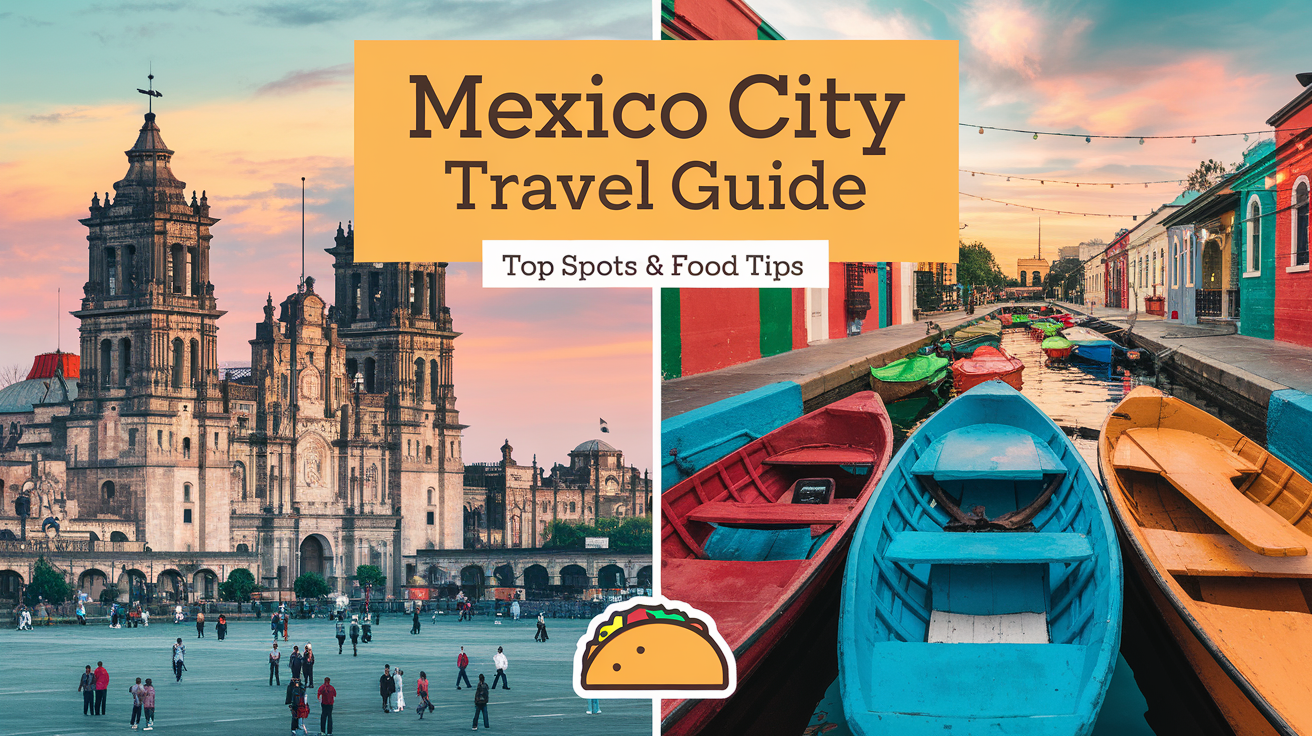
Mexico City, a vibrant metropolis steeped in history and culture, beckons travelers with its ancient ruins, colonial grandeur, world-class museums, and dynamic culinary scene. From the bustling heart of the Zócalo to the tranquil canals of Xochimilco, this guide to the top 20 must-visit attractions will help you navigate the diverse wonders of one of the world’s most captivating cities.

1. Zócalo (Plaza de la Constitución)
Description: The historic main square of Mexico City, serving as the heart of the city’s political and religious life. It’s one of the largest city squares in the world, surrounded by iconic buildings like the Metropolitan Cathedral and the National Palace.
History: Built on the former ceremonial center of the Aztec city of Tenochtitlan, the Zócalo has been a central gathering place for centuries. Its current form began to take shape during the colonial era, and it has witnessed countless historical events, from declarations of independence to modern protests and celebrations.
Google Maps: Zócalo (Plaza de la Constitución) Location
Tickets: Free entry – A public square, accessible 24/7.
Opening Hours: Always open
Travel Options: Metro Line 2 (Blue Line) to Zócalo station. Easily accessible by bus or on foot from the Historic Center.
Nearby Restaurants:
– El Mayor: Known for its stunning rooftop views of the Zócalo and Metropolitan Cathedral, serving traditional Mexican cuisine.
– Café Tacuba: A historic restaurant famous for its traditional Mexican dishes, classic decor, and live music, a short walk from the Zócalo.
Tips: Visit during the day to see the flag ceremony or in the evening to experience the square illuminated. Be aware of street vendors and large crowds.

2. Chapultepec Castle (Castillo de Chapultepec)
Description: Perched atop Chapultepec Hill, this majestic castle offers panoramic views of Mexico City. It has served as a military academy, imperial residence, presidential home, and now houses the National Museum of History.
History: Construction began in 1785 during the colonial period. It gained prominence as the imperial residence of Emperor Maximilian I and Empress Carlota in the 19th century, and later as the official residence for several Mexican presidents before becoming a museum in 1939.
Google Maps: Chapultepec Castle (Castillo de Chapultepec) Location
Official Website: National Museum of History
Tickets: Check ticket details – Standard museum entry fee. Free on Sundays for Mexican citizens and residents. Check for specific exhibition costs.
Opening Hours: Tuesday – Sunday, 9:00 AM – 5:00 PM (Last access 4:30 PM). Closed Mondays.
Travel Options: Metro Line 1 (Pink Line) to Chapultepec station, then a walk through Chapultepec Park or a small tourist train/shuttle up the hill. Or use rideshare services.
Nearby Restaurants:
– Lago Tacos: A casual spot within Chapultepec Park, great for a quick and tasty taco lunch after visiting the castle.
– Restaurante Del Bosque: A more formal dining option within Chapultepec Park, offering Mexican and international cuisine with pleasant views.
Tips: Wear comfortable shoes as there’s a significant uphill walk or opt for the small train/shuttle. Allow ample time to explore both the castle and the surrounding Chapultepec Park.
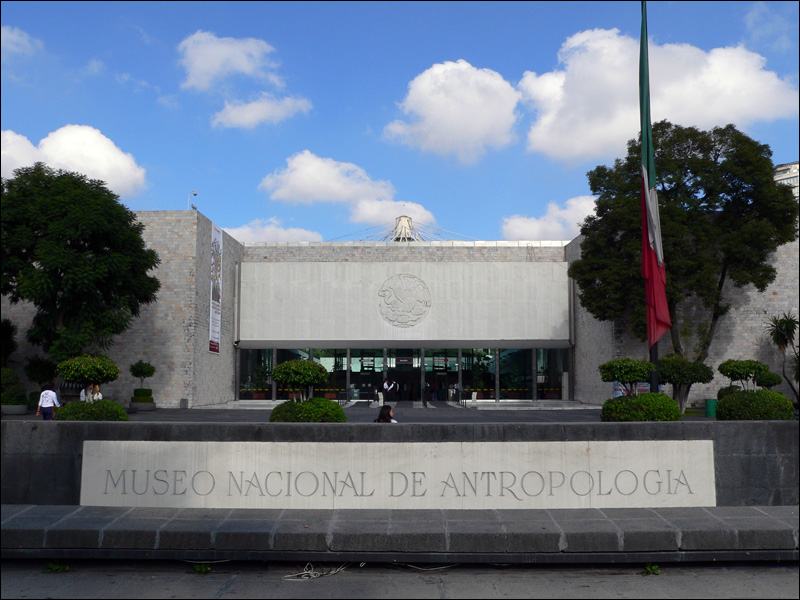
3. National Museum of Anthropology (Museo Nacional de Antropología)
Description: One of the most comprehensive and renowned museums in the world, dedicated to the archaeology and history of Mexico’s pre-Hispanic civilizations and indigenous cultures.
History: While the museum’s collection dates back to the 18th century, the iconic modern building, designed by Pedro Ramírez Vázquez, was inaugurated in 1964. It was conceived to house and display the vast archaeological and ethnographic heritage of Mexico.
Google Maps: National Museum of Anthropology (Museo Nacional de Antropología) Location
Official Website: Official Website
Tickets: Check ticket details – Standard museum entry fee. Free on Sundays for Mexican citizens and residents. Check for any temporary exhibition charges.
Opening Hours: Tuesday – Saturday, 9:00 AM – 6:00 PM; Sunday, 10:00 AM – 5:00 PM. Closed Mondays.
Travel Options: Metro Line 7 (Orange Line) to Auditorio station or Metro Line 1 (Pink Line) to Chapultepec station, then a short walk through the park. Numerous bus routes also serve the area.
Nearby Restaurants:
– Los Panchos Anzures: A historic and well-regarded restaurant famous for its traditional Mexican dishes, especially cochinita pibil and carnitas.
– Contramar: Celebrated for its fresh seafood and vibrant atmosphere, a short taxi or rideshare away in the Roma Norte neighborhood.
Tips: It’s a vast museum; prioritize the sections you want to see most (e.g., Aztec, Maya, Teotihuacan halls). Consider hiring a guide or getting an audio guide for deeper insights.

4. Frida Kahlo Museum (Casa Azul)
Description: Known as ‘Casa Azul’ (The Blue House), this is the former home of the iconic Mexican artist Frida Kahlo, now a museum dedicated to her life and work. It offers an intimate glimpse into her world.
History: Frida Kahlo was born, lived, and died in this house. After her death in 1954, her husband, Diego Rivera, donated the house and its contents to turn it into a museum in 1958. The house preserves her personal belongings, art, and the vibrant atmosphere she created.
Google Maps: Frida Kahlo Museum (Casa Azul) Location
Official Website: Official Website
Tickets: Book Tickets – Timed entry tickets must be purchased online in advance. They often sell out quickly.
Opening Hours: Tuesday – Sunday, typically 10:00 AM – 5:45 PM (hours can vary, check official website for current schedule, especially on Wednesdays). Closed Mondays.
Travel Options: Metro Line 3 (Green Line) to Coyoacán station, then a 15-20 minute walk or short taxi ride. Alternatively, Metro Line 3 to Viveros station for a similar walk. Bus services also operate to the Coyoacán area.
Nearby Restaurants:
– Corazón de Maguey: A popular restaurant in Coyoacán’s main square, known for its creative Mexican cuisine and extensive mezcal selection.
– El Jarocho: A beloved local spot famous for its churros and traditional Mexican coffee, perfect for a sweet treat near the museum.
Tips: Book tickets well in advance, as same-day tickets are rarely available. Arrive at your designated time slot. Photography inside some areas may require an extra fee.

5. Palacio de Bellas Artes (Palace of Fine Arts)
Description: An architectural masterpiece and the cultural heart of Mexico City, housing both the National Museum of Architecture and the National Theater, home to the Ballet Folklórico de México.
History: Construction began in 1904, blending Art Nouveau and Art Deco styles. Designed by Italian architect Adamo Boari and completed by Mexican architect Federico Mariscal, it was inaugurated in 1934. It’s famous for its murals by prominent Mexican artists like Diego Rivera and David Alfaro Siqueiros.
Google Maps: Palacio de Bellas Artes (Palace of Fine Arts) Location
Official Website: Official Website
Tickets: Check ticket details – Entrance fee for museum/exhibitions. Separate tickets for performances (Ballet Folklórico, opera, etc.).
Opening Hours: Typically Tuesday – Sunday, 10:00 AM – 6:00 PM for the museum. Performance schedules vary, check the official website.
Travel Options: Metro Line 2 (Blue Line) or Line 8 (Green Line) to Bellas Artes station. Numerous bus routes stop nearby. Located within easy walking distance of the Historic Center.
Nearby Restaurants:
– Limosneros: A sophisticated restaurant focusing on innovative Mexican cuisine, located a short walk from Bellas Artes in the Historic Center.
– El Cardenal Alameda: Renowned for its traditional Mexican breakfast and lunch, offering a classic dining experience near the palace.
Tips: To get the best photo of the Palacio de Bellas Artes, go to the 8th floor of the Sears building across the street for a panoramic view from their café.

6. Travel Tips: Essential Planning & Getting Around
Description: Navigating Mexico City is easiest with a mix of public transport and rideshares. The Metro system is extensive and affordable; purchase a rechargeable MetroCard. For safety, avoid hailing taxis on the street; instead, use app-based services like Uber or DiDi. Consider visiting during the dry season (November to April) for pleasant weather. Always stay aware of your surroundings, especially in crowded areas.
History:
Google Maps: Travel Tips: Essential Planning & Getting Around Location
Tickets: Check ticket details
Opening Hours: Check official website for current hours
Travel Options:
Nearby Restaurants:
Tips:
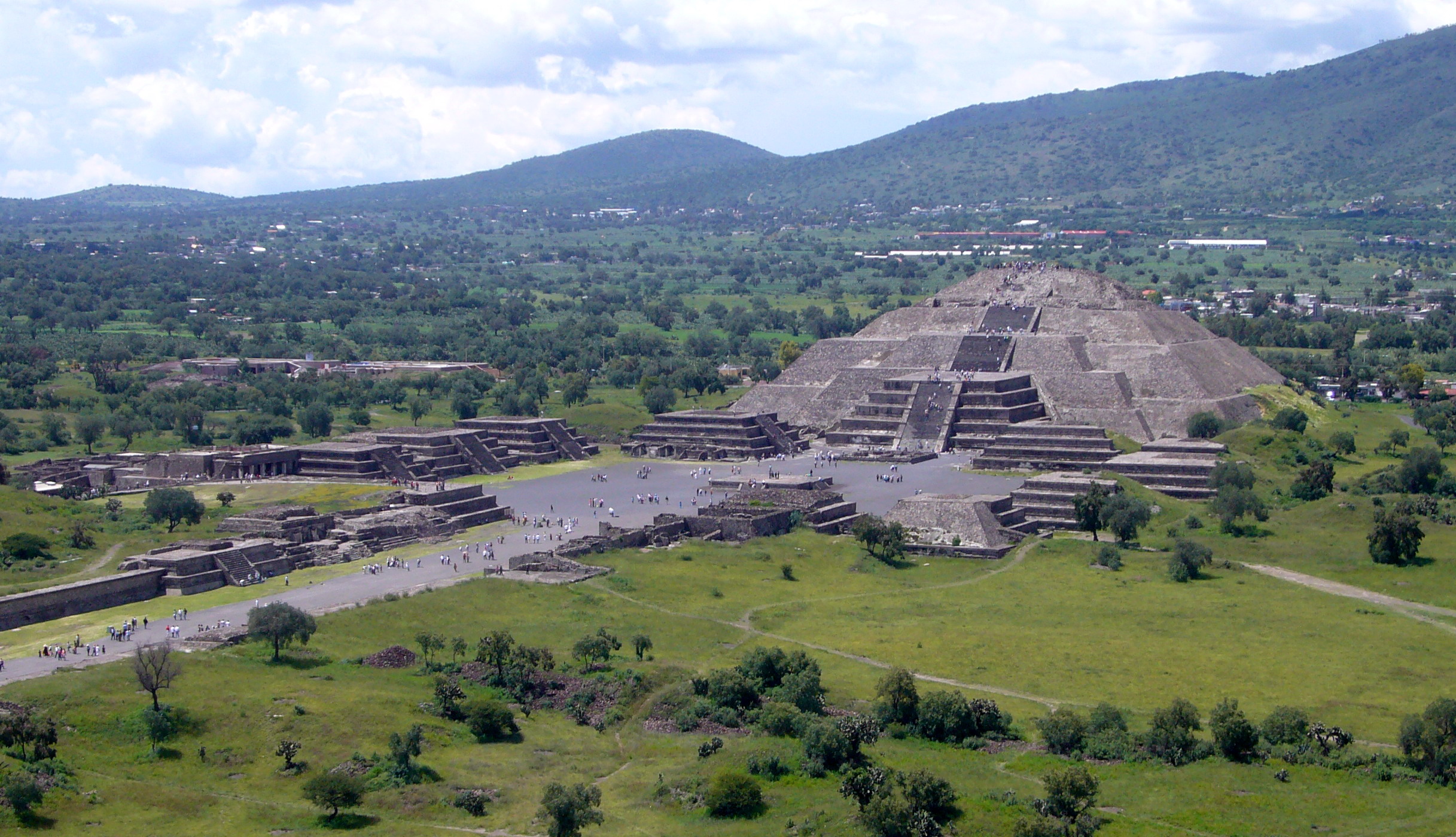
7. Teotihuacán (Pyramids of the Sun and Moon)
Description: An awe-inspiring ancient Mesoamerican city, famous for its massive pyramids and the Avenue of the Dead. It was once the largest city in the pre-Columbian Americas.
History: Teotihuacán flourished between 100 BCE and 650 CE, becoming one of the most powerful cultural centers in Mesoamerica. Its decline around the 7th century is still a mystery. The site was later revered by the Aztecs, who gave it its current name, meaning ‘the place where the gods were created’.
Google Maps: Teotihuacán (Pyramids of the Sun and Moon) Location
Official Website: Official INAH Website
Tickets: Check ticket details – Entry fee for the archaeological zone. Additional cost for parking.
Opening Hours: Daily, 9:00 AM – 5:00 PM (Last access 4:00 PM).
Travel Options: Best reached by bus from Terminal Central del Norte (Autobuses del Norte) in Mexico City (approx. 1 hour journey). Organized tours are also available. Rideshare services are an option but can be expensive.
Nearby Restaurants:
– La Gruta: A unique restaurant located inside a natural cave near the pyramids, offering traditional Mexican cuisine and a memorable ambiance.
– Restaurante Mayahuel: Known for its authentic regional dishes and a pleasant setting, often accompanied by live music, a short drive from the archaeological zone.
Tips: Arrive early to avoid crowds and the midday heat. Wear comfortable shoes, a hat, sunscreen, and bring plenty of water. Limited climbing is usually permitted on some structures.
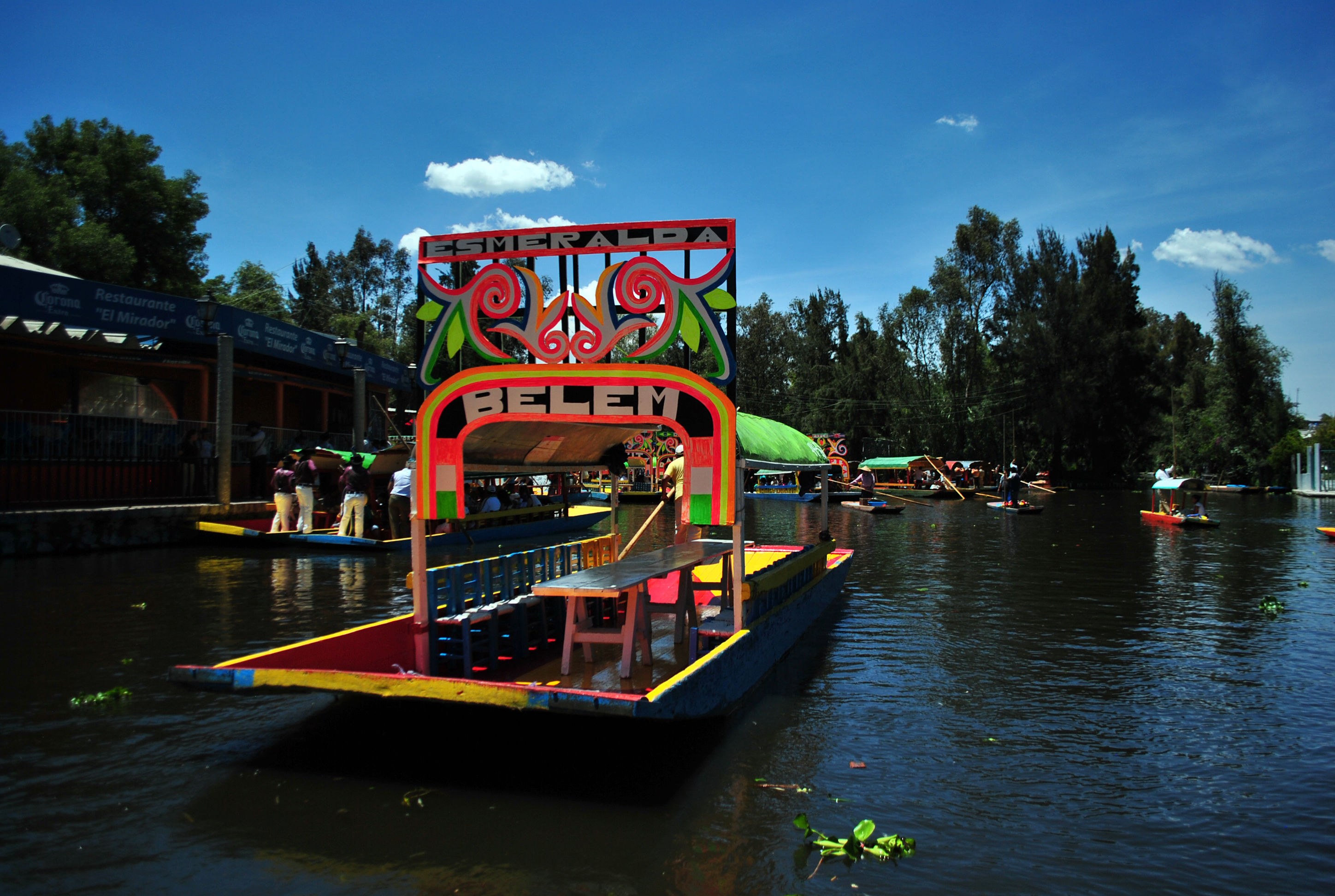
8. Xochimilco Floating Gardens
Description: A UNESCO World Heritage site featuring ancient canal systems and artificial islands (chinampas). Visitors can explore these colorful waterways on traditional, brightly painted boats called ‘trajineras’.
History: The canals are remnants of the ancient Aztec chinampa system, a sophisticated agricultural method used for farming on artificial islands. Today, Xochimilco is a vibrant cultural hub, preserving pre-Hispanic traditions and offering a lively atmosphere with mariachis, food vendors, and artisans on the boats.
Google Maps: Xochimilco Floating Gardens Location
Official Website: CDMX Travel Info
Tickets: Pay per trajinera – Rates are typically negotiated per boat (not per person) per hour. Confirm the price before embarking and agree on the duration.
Opening Hours: Most embarcaderos (piers) operate daily from morning until early evening (e.g., 9:00 AM – 6:00 PM). Best to visit during daylight hours.
Travel Options: Take the Metro Line 2 (Blue Line) to Tasqueña station, then transfer to the ‘Tren Ligero’ (Light Rail) to Xochimilco station. From there, it’s a short walk to the embarcaderos. Rideshare services are also convenient.
Nearby Restaurants:
– Las Margaritas Xochimilco: A traditional Mexican restaurant offering classic dishes in a pleasant setting near the main embarcaderos.
– El Merendero del Convento: Known for its authentic regional food and a relaxed, family-friendly atmosphere, a good option after a boat ride.
Tips: Negotiate the trajinera price upfront and clarify if it’s per hour or for the entire trip. Bring snacks and drinks, or purchase them from vendors on other trajineras. Weekends are the liveliest.
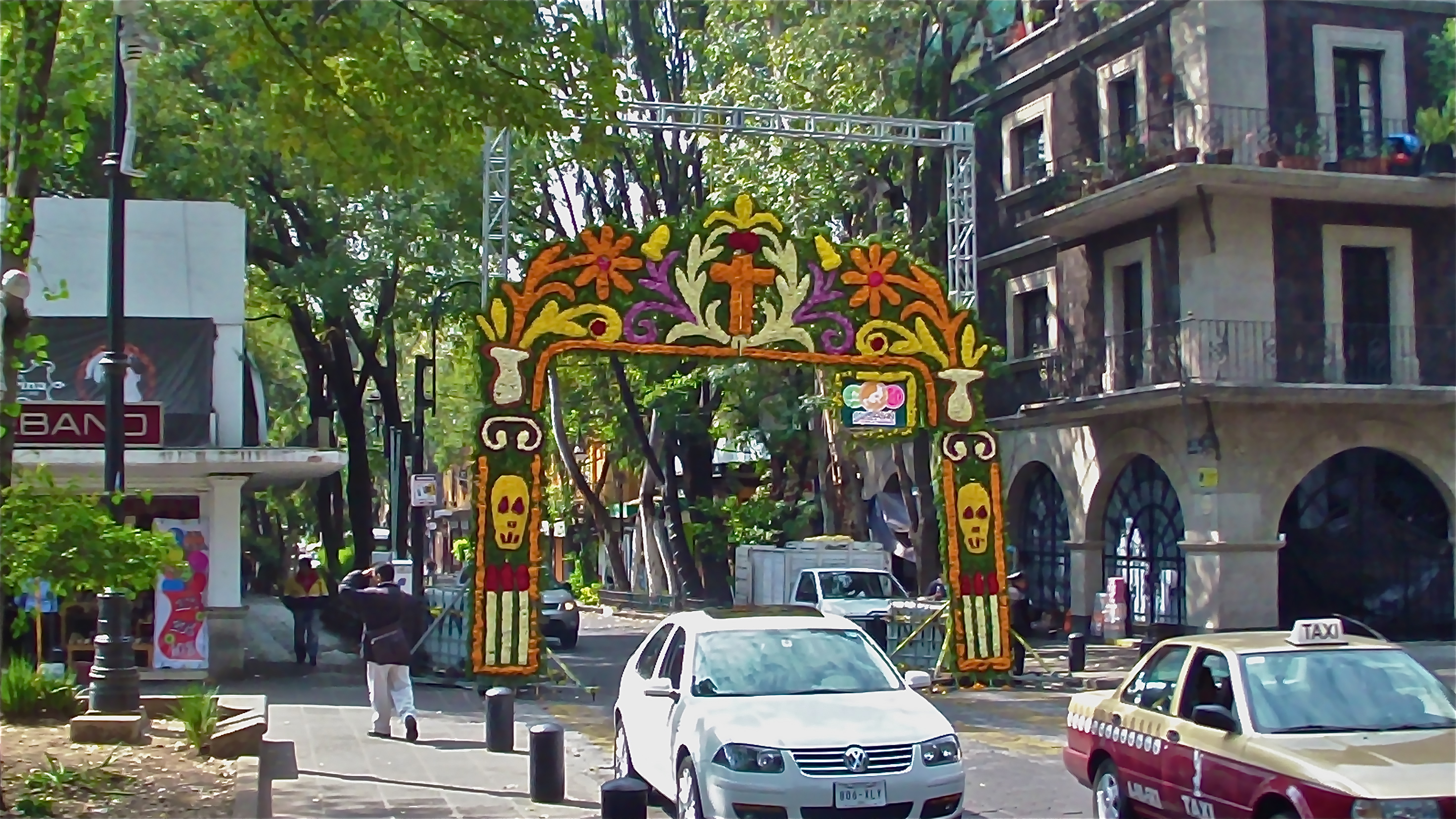
9. Coyoacán Neighborhood
Description: A charming and historic borough known for its bohemian atmosphere, cobblestone streets, vibrant plazas, colonial architecture, and lively markets. It was once a separate village and retains much of its unique character.
History: Coyoacán was one of the first Spanish settlements outside the original Tenochtitlan. It played a significant role during the conquest and later became a favored residential area for artists and intellectuals, including Frida Kahlo and Diego Rivera.
Google Maps: Coyoacán Neighborhood Location
Tickets: Free entry – A public neighborhood, free to explore. Individual attractions (like museums) have separate fees.
Opening Hours: Always open (individual shops and attractions have their own hours).
Travel Options: Metro Line 3 (Green Line) to Coyoacán or Viveros/Derechos Humanos stations, then a 10-15 minute walk to the main squares. Numerous bus routes also serve the area. Rideshare services are widely available.
Nearby Restaurants:
– Mercado de Antojitos Coyoacán: A bustling market filled with various food stalls offering authentic Mexican street food and traditional snacks like tostadas and quesadillas.
– Los Danzantes: An upscale restaurant in the main square, known for its contemporary Mexican cuisine and extensive mezcal list, with outdoor seating.
Tips: Spend an afternoon wandering the streets, visiting the main squares (Jardín Centenario and Plaza Hidalgo), and browsing the local craft markets. Watch out for street performers.
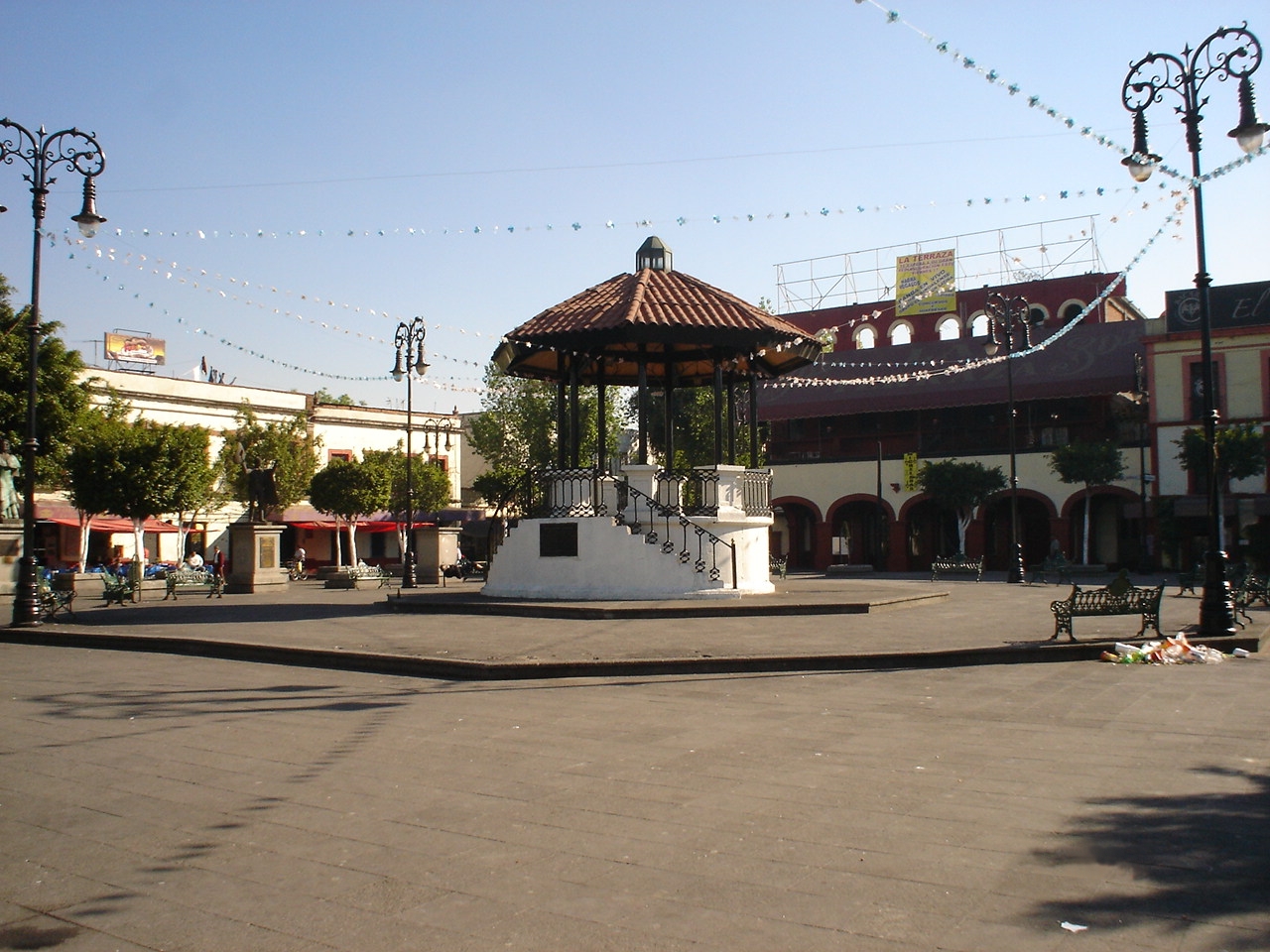
10. Plaza Garibaldi
Description: Famous for being the home of mariachi music, this lively square comes alive in the evenings with mariachi bands, norteño, and other traditional Mexican musicians offering their services for hire.
History: Plaza Garibaldi has been a traditional gathering spot for mariachis and other musicians for over a century. It’s named after Giuseppe Garibaldi, a descendant of the Italian unifier, who fought in the Mexican Revolution.
Google Maps: Plaza Garibaldi Location
Tickets: Free entry – A public square, free to enter. You pay musicians directly for songs.
Opening Hours: Always open, but most vibrant in the evenings, especially weekends.
Travel Options: Metro Line 8 (Green Line) or Line B (Green/Grey Line) to Garibaldi/Lagunilla station, which exits directly into the plaza. Public buses also serve the area. Use caution and prefer rideshare services when visiting at night.
Nearby Restaurants:
– Salón Tenampa: A historic cantina in Plaza Garibaldi, a legendary venue to experience mariachi music while enjoying drinks and traditional Mexican food.
– Tacos Arandas Garibaldi: A popular and long-standing taco stand offering delicious and authentic street-style tacos, perfect for a late-night bite after enjoying the music.
Tips: It’s best to visit with a group and be mindful of your belongings, especially at night. Agree on the price with musicians before they start playing. Consider visiting the Museo del Tequila y el Mezcal (MUTEM) located on the plaza.
11. Templo Mayor
Description: The excavated ruins of the main temple of the Aztec capital, Tenochtitlan. It was dedicated to two deities: Huitzilopochtli (god of war) and Tlaloc (god of rain and fertility).
History: Built in several phases between the 14th and 16th centuries, the Templo Mayor was the spiritual and geographical center of the Aztec universe. It was systematically destroyed by the Spanish conquistadors after the fall of Tenochtitlan in 1521, and its stones were used to build the Metropolitan Cathedral. Rediscovered in 1978 during subway construction, it’s now a significant archaeological site with an accompanying museum.
Google Maps: Templo Mayor Location
Official Website: Official Website
Tickets: Check ticket details – Entry fee for the archaeological zone and museum. Free on Sundays for Mexican citizens and residents.
Opening Hours: Tuesday – Sunday, 9:00 AM – 5:00 PM. Closed Mondays.
Travel Options: Metro Line 2 (Blue Line) to Zócalo station, then a short walk through the Historic Center. Easily accessible on foot from the Palacio de Bellas Artes and the Zócalo.
Nearby Restaurants:
– Azul Histórico: An upscale traditional Mexican restaurant set in a beautiful colonial courtyard, offering a refined dining experience near Templo Mayor.
– El Balcón del Zócalo: Located on a rooftop overlooking the Zócalo and parts of the Templo Mayor, known for its contemporary Mexican cuisine and excellent views.
Tips: Allocate at least 2-3 hours to fully explore both the ruins and the comprehensive museum. The museum provides crucial context for understanding the site. Wear comfortable shoes and bring water.
12. Travel Tips: Embracing Local Culture & Cuisine
Description: Mexico City is a culinary paradise. Don’t shy away from street food; look for vendors with long lines, indicating freshness and popularity. Tipping is customary in restaurants (10-15% is standard), for tour guides, and for service staff. Learning a few basic Spanish phrases like ‘Hola’, ‘Gracias’, and ‘Por favor’ will greatly enhance your interactions. Embrace the vibrant local culture by engaging with artisans and respecting local customs.
History:
Google Maps: Travel Tips: Embracing Local Culture & Cuisine Location
Tickets: Check ticket details
Opening Hours: Check official website for current hours
Travel Options:
Nearby Restaurants:
Tips:
13. Basilica of Our Lady of Guadalupe
Description: One of the most important Catholic pilgrimage sites in the world, housing the miraculous image of the Virgin of Guadalupe. The complex includes the Old Basilica, the stunning modern New Basilica, and several other chapels and gardens.
History: The site marks the spot where, in 1531, the Virgin Mary is said to have appeared to an indigenous peasant, Juan Diego, and left her image on his ’tilma’ (cloak). The original basilica was built in the 18th century, but due to subsidence, the larger, more modern New Basilica was constructed in the 1970s to accommodate the growing number of pilgrims.
Google Maps: Basilica of Our Lady of Guadalupe Location
Official Website: Official Website
Tickets: Free entry – Entry to the basilicas and grounds is free. Donations are welcome.
Opening Hours: Typically daily, 6:00 AM – 9:00 PM (hours may vary for specific chapels or services).
Travel Options: Metro Line 6 (Red Line) to La Villa-Basílica station, which is a short walk to the complex. Several bus routes also serve the area. Rideshare services are readily available.
Nearby Restaurants:
– El Mural: A traditional Mexican restaurant offering classic dishes in a comfortable setting, located conveniently close to the Basilica complex.
– Finca Santa Veracruz: A cozy café known for its coffee and pastries, a good spot for a light meal or snack near the Basilica.
Tips: Dress respectfully (shoulders and knees covered). Be prepared for crowds, especially during religious holidays. Photography is generally allowed but be mindful during services.
14. Soumaya Museum (Museo Soumaya)
Description: An impressive private art museum distinguished by its shimmering, curvilinear silver exterior designed by Fernando Romero. It houses the vast art collection of Carlos Slim, one of the world’s wealthiest individuals.
History: Opened in 1994, the Plaza Carso location, with its iconic architecture, was inaugurated in 2011. The museum is named after Soumaya Domit, Carlos Slim’s late wife, and reflects his passion for art collecting, featuring works spanning 30 centuries, from European old masters to Mexican art.
Google Maps: Soumaya Museum (Museo Soumaya) Location
Official Website: Official Website
Tickets: Free entry – Admission is always free.
Opening Hours: Daily, 10:30 AM – 6:30 PM (check official website for any holiday hours).
Travel Options: Metro Line 7 (Orange Line) to San Joaquín station, then a 20-minute walk or short taxi/rideshare. Alternatively, Metro Line 7 to Polanco station and a rideshare. Numerous bus routes serve the Polanco/Nuevo Polanco area.
Nearby Restaurants:
– Nobu Polanco: An upscale Japanese-Peruvian fusion restaurant known for its exquisite dishes and chic ambiance, located within the Plaza Carso complex.
– Carolo Polanco: A popular European-inspired cafe and restaurant offering a variety of dishes, from breakfast to dinner, a short walk from the museum.
Tips: Don’t just admire the exterior; the interior architecture is also stunning. Take the elevator to the top floor and work your way down. The collection includes a significant number of Rodin sculptures.
15. La Roma Neighborhood
Description: A trendy and bohemian neighborhood known for its beautiful Art Nouveau and Art Deco architecture, tree-lined streets, vibrant culinary scene, independent boutiques, and numerous parks and plazas.
History: Originally developed in the late 19th and early 20th centuries as an upscale residential area, Roma (divided into Roma Norte and Roma Sur) saw a period of decline before experiencing a major revitalization. It’s now a hub for artists, designers, and foodies, retaining its historic charm.
Google Maps: La Roma Neighborhood Location
Tickets: Free entry – A public neighborhood, free to explore. Individual shops, cafes, and galleries have their own pricing.
Opening Hours: Always open (individual businesses have their own hours). Most vibrant from late morning to late evening.
Travel Options: Metro Line 1 (Pink Line) to Insurgentes or Sevilla stations for Roma Norte. Metro Line 3 (Green Line) to Hospital General for Roma Sur. The area is very walkable. Rideshare services are plentiful.
Nearby Restaurants:
– Rosetta: A highly acclaimed restaurant by Chef Elena Reygadas, offering exquisite Italian-Mexican fusion cuisine in a beautiful colonial mansion.
– Contramar: A legendary seafood restaurant famous for its whole grilled fish (pescado a la talla) and vibrant atmosphere, a must-visit in Roma Norte.
Tips: Dedicate a full afternoon or evening to explore Roma. Wander through its streets, discover hidden plazas like Plaza Río de Janeiro, and enjoy a meal or coffee at one of its many renowned establishments. It’s a great neighborhood for a leisurely stroll.
16. Reforma Avenue (Paseo de la Reforma)
Description: Mexico City’s most iconic and majestic avenue, resembling the grand boulevards of Europe. It’s lined with monuments, modern skyscrapers, luxury hotels, and important cultural institutions.
History: Designed by Emperor Maximilian I in the 1860s, it was originally intended to connect the Imperial Residence (Chapultepec Castle) with the National Palace. Modeled after the Champs-Élysées, it became a symbol of modernity and national pride, adorned with monuments like the Angel of Independence.
Google Maps: Reforma Avenue (Paseo de la Reforma) Location
Tickets: Free entry – A public avenue, free to traverse.
Opening Hours: Always open.
Travel Options: Metro Line 1 (Pink Line) has several stations along Reforma’s vicinity (Insurgentes, Sevilla, Chapultepec). The Metrobus (Line 1 & 7) runs directly along Reforma. Walking or using rideshare services are also common.
Nearby Restaurants:
– El Califa: A famous taqueria chain with several locations along or near Reforma, known for its high-quality al pastor and other traditional tacos.
– Blanco Colima: An elegant restaurant set in a stunning mansion near the Angel of Independence, offering a sophisticated menu of Mexican and international dishes.
Tips: Walk or bike along Reforma on Sundays when it’s often closed to vehicular traffic. Visit the various monuments and statues, especially the Angel of Independence, a national icon.
17. Diego Rivera Mural Museum (Museo Mural Diego Rivera)
Description: Dedicated primarily to housing Diego Rivera’s famous mural, ‘Dream of a Sunday Afternoon in Alameda Park,’ this museum offers a deep dive into the artist’s social and political commentary.
History: The mural, originally located in the Hotel del Prado, depicts 400 years of Mexican history, featuring over 150 historical figures. After the 1985 earthquake severely damaged the hotel, the mural was miraculously salvaged and relocated to this purpose-built museum, opening in 1986.
Google Maps: Diego Rivera Mural Museum (Museo Mural Diego Rivera) Location
Official Website: Official Website
Tickets: Check ticket details – Standard museum entry fee. Free on Sundays for Mexican citizens and residents.
Opening Hours: Tuesday – Sunday, 10:00 AM – 6:00 PM. Closed Mondays.
Travel Options: Metro Line 2 (Blue Line) or Line 8 (Green Line) to Bellas Artes station, then a short walk through Alameda Central. Located on the western edge of Alameda Central.
Nearby Restaurants:
– Pastelería Ideal: A legendary and bustling bakery famous for its enormous selection of traditional Mexican pastries, cakes, and breads, a short walk away.
– La Pagoda: A historic and well-loved Chinese-Mexican restaurant, popular for its comfort food and classic diner feel, near Alameda Central.
Tips: Take your time to study the intricate details of Rivera’s mural; there are many layers of meaning and historical figures to discover. Consider reading about the mural’s history before your visit.
18. Travel Tips: Health & Safety Essentials
Description: Always drink bottled or purified water to avoid stomach issues. Be cautious with street food, ensuring it’s cooked fresh and hot. When taking taxis, use official ‘sitio’ taxis or app-based services (Uber/DiDi) rather than hailing one off the street. Avoid walking alone at night in unfamiliar areas. Keep valuables out of sight and be aware of your surroundings, especially in crowded tourist spots. Carry photocopies of important documents and know the emergency number (911).
History:
Google Maps: Travel Tips: Health & Safety Essentials Location
Tickets: Check ticket details
Opening Hours: Check official website for current hours
Travel Options:
Nearby Restaurants:
Tips:
19. Alameda Central
Description: Mexico City’s oldest public park, a beautiful and historic green space offering a tranquil escape from the urban bustle. It’s adorned with fountains, sculptures, and tree-lined walkways.
History: Established in 1592, the Alameda Central was originally an Aztec marketplace. It was designed to mimic European public gardens and has served as a central gathering place for centuries, witnessing public celebrations, protests, and everyday life.
Google Maps: Alameda Central Location
Tickets: Free entry – A public park, accessible 24/7.
Opening Hours: Always open.
Travel Options: Metro Line 2 (Blue Line) or Line 8 (Green Line) to Bellas Artes station, which is right next to the park. Easily walkable from the Historic Center.
Nearby Restaurants:
– Sanborns Casa de los Azulejos: A stunning historic building covered in blue and white tiles, housing a Sanborns restaurant that offers traditional Mexican and American diner fare.
– El Moro Churreria (Eje Central): Mexico City’s most famous churro spot, serving delicious churros and chocolate since 1935, perfect for a treat after strolling the park.
Tips: Take a leisurely stroll, enjoy the people-watching, and admire the beautiful fountains, particularly the Hemiciclo a Juárez monument on its western edge.
20. Polanco Neighborhood
Description: An upscale, elegant neighborhood renowned for its luxury shopping, high-end restaurants, art galleries, and meticulously manicured parks. It’s often compared to Beverly Hills or the Champs-Élysées.
History: Developed in the 1920s and 30s, Polanco was designed as a sophisticated residential area for the city’s elite, featuring grand mansions and tree-lined streets. It has evolved into a prime commercial and cultural district while maintaining its luxurious charm.
Google Maps: Polanco Neighborhood Location
Tickets: Free entry – A public neighborhood, free to explore. Individual shops and establishments have their own pricing.
Opening Hours: Always open (individual businesses have their own hours).
Travel Options: Metro Line 7 (Orange Line) to Polanco station. The area is highly walkable. Rideshare services are very convenient for getting to and around Polanco.
Nearby Restaurants:
– Pujol: One of the world’s top restaurants, offering an innovative tasting menu of contemporary Mexican cuisine by Chef Enrique Olvera. Reservations are essential.
– Quintonil: Another globally acclaimed restaurant, focusing on fresh, local Mexican ingredients and sophisticated culinary techniques. Reservations are highly recommended.
Tips: Indulge in some window shopping along Avenida Presidente Masaryk, explore the many art galleries, or enjoy a gourmet meal at one of its world-class restaurants. Parque Lincoln is a lovely green space for relaxation.
AI Travel Tools