
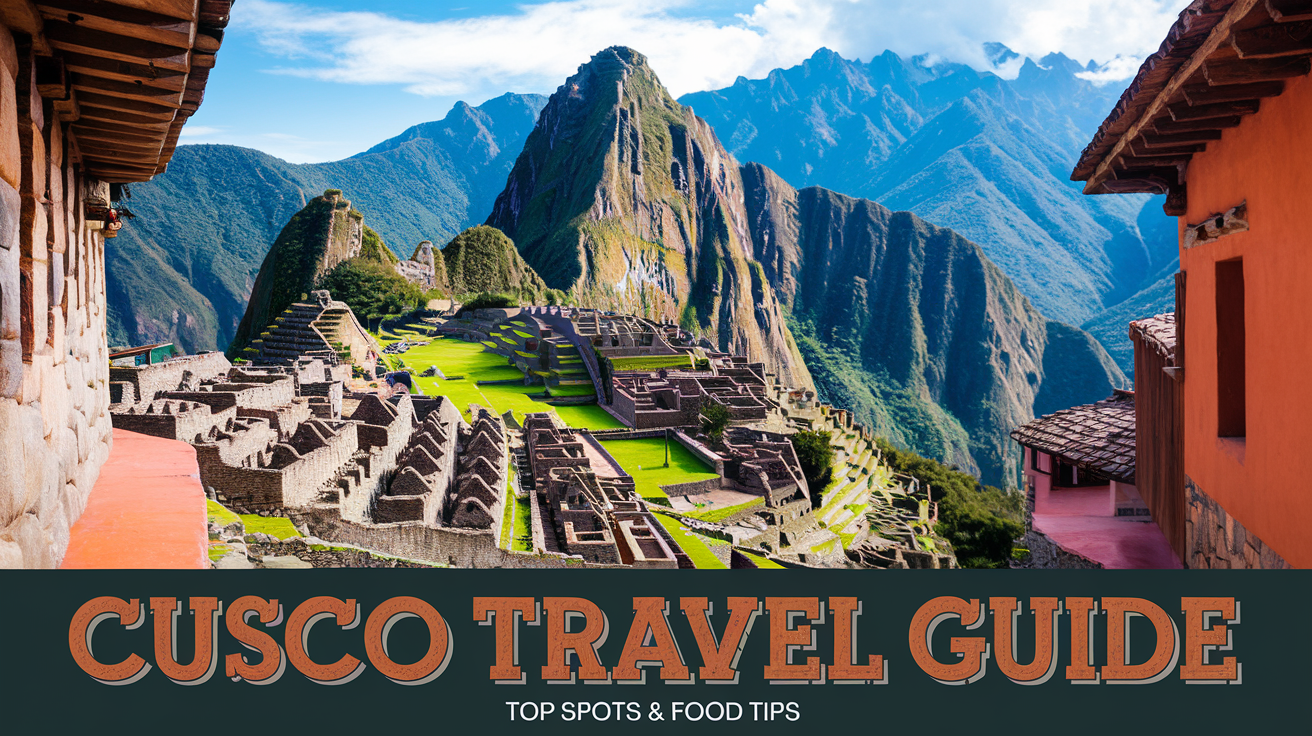
Cusco, the historic capital of the Inca Empire, stands as a mesmerizing blend of ancient traditions and colonial grandeur. This updated guide invites you to explore its top 20 must-visit attractions, from iconic historical sites to breathtaking natural wonders, offering a complete itinerary for an unforgettable journey through the heart of Peru.

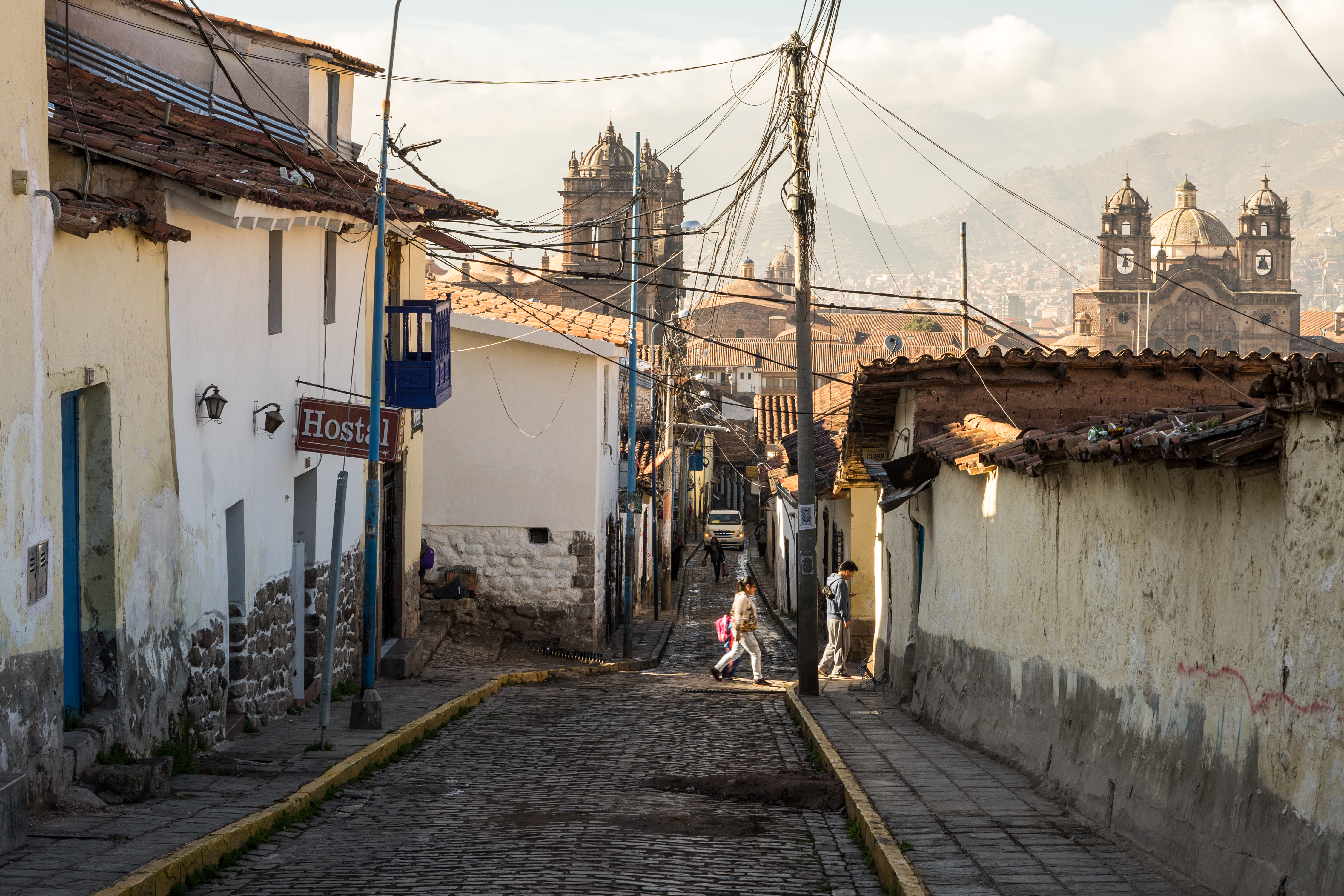
1. Plaza de Armas (Main Square)
Description: The vibrant heart of Cusco, surrounded by impressive colonial architecture, arcades, and the grand Cusco Cathedral. It’s a central gathering place for locals and tourists alike, bustling with activity day and night.
History: Originally the Inca Hurin Hawkaypata (‘lower main square’), it was a significant ceremonial and administrative center. After the Spanish conquest, it was transformed into a colonial plaza, retaining its importance as the city’s focal point.
Google Maps: Plaza de Armas (Main Square) Location
Tickets: Free entry – It is a public square.
Opening Hours: 24/7
Travel Options: Easily walkable from most accommodations in Cusco’s city center.
Nearby Restaurants:
– Limo Cocina Peruana & Nikkei: known for high-end Peruvian-Nikkei fusion and excellent pisco sours, with plaza views.
– Chicha por Gastón Acurio: celebrated Peruvian cuisine by a famous chef, offering traditional dishes with a modern twist.
Tips: Visit in the evening to see the surrounding buildings beautifully illuminated.

2. Cusco Cathedral (Cathedral Basilica of the Assumption of the Virgin)
Description: A magnificent colonial cathedral, built on the foundations of an Inca palace. It houses an impressive collection of colonial art, including the Cusqueña School of painting, and intricate altars.
History: Construction began in 1560 and lasted nearly a century, using stones plundered from the Inca fortress of Sacsayhuamán. It stands as a testament to the Spanish conquest and a symbol of Catholic dominance.
Google Maps: Cusco Cathedral (Cathedral Basilica of the Assumption of the Virgin) Location
Tickets: Check ticket details – Usually included in a combined ticket for several churches, check locally for current prices.
Opening Hours: Check official website for current hours (typically morning to late afternoon)
Travel Options: Located directly on Plaza de Armas, easily walkable from most city center locations.
Nearby Restaurants:
– Incanto: Italian-Peruvian fusion, offering pasta and wood-fired pizzas in a charming setting.
– Pucara: known for traditional Peruvian cuisine, including alpaca steak and cuy (guinea pig).
Tips: Look for the unique Last Supper painting that depicts a guinea pig as the main dish.
3. Qorikancha (Temple of the Sun)
Description: Once the most important temple in the Inca Empire, dedicated to Inti (the Sun God), now largely covered by the Santo Domingo Convent. It showcases exquisite Inca stonework alongside Spanish colonial architecture.
History: Qorikancha was the spiritual and geographical center of Cusco during Inca times, with walls famously covered in sheets of solid gold. After the Spanish conquest, the convent of Santo Domingo was built directly on its foundations, preserving parts of the original Inca structure.
Google Maps: Qorikancha (Temple of the Sun) Location
Tickets: Book Tickets – Separate entrance fee, not included in the Cusco Tourist Ticket.
Opening Hours: Check official website for current hours (typically daily, morning to late afternoon)
Travel Options: A short, uphill walk from Plaza de Armas, easily accessible.
Nearby Restaurants:
– Cicciolina: offers Mediterranean-Peruvian tapas and fine dining with a sophisticated ambiance.
– Marcelo Batata: Peruvian cuisine with a focus on grilled meats and good views of the city.
Tips: Observe the precise Inca stonework, particularly how it seamlessly joins the Spanish construction, showcasing a blend of two distinct architectural styles.

4. San Pedro Market
Description: A bustling, authentic local market where you can find everything from fresh produce, exotic fruits, and local cheeses to crafts, textiles, and traditional remedies. It offers a true glimpse into daily Cusqueñan life.
History: Designed by Gustave Eiffel (of Eiffel Tower fame) in the early 20th century, the market has long served as a vital commercial hub for Cusco and surrounding communities, continuing ancient traditions of trade and commerce.
Google Maps: San Pedro Market Location
Tickets: Free entry – It is a public market; however, be prepared to pay for purchases.
Opening Hours: Typically daily, early morning to late afternoon.
Travel Options: A 10-15 minute walk west from Plaza de Armas, or a short taxi ride.
Nearby Restaurants:
– Food stalls within the market: known for affordable and authentic local dishes like caldo de gallina (chicken soup) and fresh fruit juices.
– El Hada: a small, cozy local cafe popular for breakfast, lunch, and excellent coffee near the market.
Tips: Be aware of your belongings in crowded areas and don’t hesitate to try a freshly squeezed juice or a local snack.

5. Sacsayhuamán
Description: A magnificent Inca archaeological park and fortress complex on a hill overlooking Cusco. It features massive dry-stone walls, remarkable for their immense size and precision in fitting together without mortar.
History: Believed to have been a ceremonial fortress or temple complex, possibly dedicated to the sun. It was a crucial site during the Spanish conquest, witnessing significant battles, and parts were later dismantled for colonial construction.
Google Maps: Sacsayhuamán Location
Tickets: Book Tickets – Requires a Boleto Turístico del Cusco (Cusco Tourist Ticket) for entry.
Opening Hours: Check official website for current hours (typically daily, morning to late afternoon)
Travel Options: A challenging uphill walk from Cusco (about 30-45 min), a short taxi ride, or included as part of a city tour.
Nearby Restaurants:
– Quinta Eulalia: traditional Peruvian food in a rustic setting, often with outdoor seating and live music, located closer to Sacsayhuamán.
– Pachapapa: known for traditional Cusqueñan cuisine, including horno-baked guinea pig, served in a charming courtyard near the plaza.
Tips: Wear sturdy shoes suitable for uneven terrain and bring water. The views of Cusco from here are spectacular.
6. Travel Tips: Altitude Sickness in Cusco
Description: Cusco is at a high altitude (3,400m or 11,150ft). Take precautions against altitude sickness (soroche) by acclimatizing slowly. Common symptoms include headache, nausea, and dizziness. Be prepared to take it easy for your first day or two.
History:
Google Maps: Travel Tips: Altitude Sickness in Cusco Location
Official Website: CDC Travel Health – Peru
Tickets: Not applicable
Opening Hours: N/A
Travel Options: N/A
Nearby Restaurants:
– Chaqchao Organic Coffee & Chocolate: organic coffee, healthy snacks, good for taking it easy and light meals.
– Green Point: a popular vegan restaurant offering healthy, light meals that are easier on the digestive system.
Tips: Drink coca tea or chew coca leaves, stay well hydrated, avoid alcohol and heavy meals on arrival, and plan a rest day to help your body adjust.

7. Tambomachay
Description: An Inca archaeological site, likely a water temple or a royal spa, renowned for its impressive aqueducts, canals, and waterfalls that have flowed continuously for centuries.
History: Part of a sophisticated Inca water system, Tambomachay served as a site for water rituals and possibly a royal bathing spot. Its precise engineering demonstrates the Incas’ mastery of hydrology and stonework.
Google Maps: Tambomachay Location
Tickets: Book Tickets – Requires a Boleto Turístico del Cusco (Cusco Tourist Ticket) for entry.
Opening Hours: Check official website for current hours (typically daily, morning to late afternoon)
Travel Options: Often visited as part of the ‘Ruta Arqueológica’ tour (half-day city tour), or reachable by taxi or local bus from Cusco.
Nearby Restaurants:
– Greens Organic: organic, healthy Peruvian food near Plaza de Armas, a good option after returning to the city.
– Museo del Pisco: specializes in Pisco cocktails but also offers small plates and food, good for post-tour relaxation back in Cusco.
Tips: Tambomachay is usually visited along with Puka Pukara and Qenqo as part of a circuit, making a combined half-day trip efficient.

8. Qenqo
Description: An intriguing Inca ceremonial site featuring a massive carved rock, subterranean passages, and an amphitheater. It’s known for its mysterious carvings and altar-like structures.
History: Believed to be a site for astronomical observations, rituals, and possibly mummification processes. Its name, ‘Q’enqo’, means ‘zigzag’ or ‘labyrinth’ in Quechua, referring to the carved channels in the rock.
Google Maps: Qenqo Location
Tickets: Book Tickets – Requires a Boleto Turístico del Cusco (Cusco Tourist Ticket) for entry.
Opening Hours: Check official website for current hours (typically daily, morning to late afternoon)
Travel Options: Often visited as part of the ‘Ruta Arqueológica’ tour (half-day city tour), or reachable by taxi or local bus from Cusco.
Nearby Restaurants:
– Chicha por Gastón Acurio: celebrated Peruvian cuisine by a famous chef, offering traditional dishes with a modern twist (located near Plaza de Armas).
– MAP Cafe: modern Peruvian cuisine, located within the Museum of Pre-Columbian Art, good for a refined meal back in the city.
Tips: Explore the carved channels in the zigzag rock, which are believed to have been used for chicha (corn beer) or blood in ancient rituals.

9. Pisac Archaeological Park
Description: A vast Inca archaeological site with stunning agricultural terraces, well-preserved temples, and residential areas perched high above the Urubamba River, offering panoramic views of the Sacred Valley.
History: Pisac was a royal estate of the Inca emperor Pachacuti, important for agriculture, defense, and ceremonial purposes. Its extensive terracing system is a marvel of Inca engineering, adapting to the mountainous terrain.
Google Maps: Pisac Archaeological Park Location
Tickets: Book Tickets – Requires a Boleto Turístico del Cusco (Cusco Tourist Ticket) for entry.
Opening Hours: Check official website for current hours (typically daily, morning to late afternoon)
Travel Options: Bus or taxi from Cusco to Pisac town, then a hike or short taxi ride up to the ruins. Often visited as part of a Sacred Valley tour.
Nearby Restaurants:
– Ulrike’s Cafe: located in Pisac town, known for healthy, vegetarian options and a relaxed atmosphere.
– Blue Llama: offers Peruvian fusion dishes and a cozy setting in Pisac town.
Tips: Combine a visit to the ruins with the famous Sunday market in Pisac town, known for its vibrant crafts and local produce.

10. Moray
Description: A unique Inca agricultural laboratory featuring impressive concentric terraces forming large, amphitheater-like depressions. It’s believed to have been used to experiment with crops at different microclimates.
History: Moray’s circular terraces were likely an agricultural research station, where the Incas experimented with various crops and growing conditions. Each level represents a distinct microclimate, allowing for the cultivation of diverse plants.
Google Maps: Moray Location
Tickets: Book Tickets – Requires a Boleto Turístico del Cusco (Cusco Tourist Ticket) for entry.
Opening Hours: Check official website for current hours (typically daily, morning to late afternoon)
Travel Options: Often visited as part of a Sacred Valley tour, usually combined with the Maras Salt Mines. Can be reached by taxi from Urubamba or Chinchero.
Nearby Restaurants:
– Mil Centro: a high-end restaurant by Virgilio Martínez, offering tasting menus with local ingredients and an immersive culinary experience near Moray.
– Hacienda Sarapampa: traditional Peruvian cuisine in a rustic setting, good for groups and tour lunches near Pisac.
Tips: The temperature difference between the top and bottom terraces can be significant, illustrating the site’s microclimate capabilities.
11. Maras Salt Mines (Salineras de Maras)
Description: Thousands of terraced salt pans, or ‘pocitos’, fed by a natural saline spring. This ancient site has been used since Inca times to harvest salt, creating a breathtaking and surreal landscape.
History: Salt has been harvested from the natural spring at Maras for centuries, pre-dating the Incas. The evaporation ponds are owned and managed by local families, passing down traditional techniques through generations.
Google Maps: Maras Salt Mines (Salineras de Maras) Location
Tickets: Book Tickets – Separate entrance fee, not included in the Boleto Turístico.
Opening Hours: Typically daily, morning to late afternoon.
Travel Options: Often visited as part of a Sacred Valley tour, usually combined with Moray. Can be reached by taxi from Urubamba or Chinchero.
Nearby Restaurants:
– El Huacatay: Peruvian-fusion in a beautiful garden setting in Urubamba, offering a refined dining experience.
– Tunupa Restaurant Bar & Grill: Peruvian cuisine with a large buffet, often part of tour packages in Urubamba.
Tips: You can purchase various types of Maras salt directly from local vendors at the site, making for a unique souvenir.
12. Travel Tips: The Sacred Valley Circuit
Description: The Sacred Valley (Valle Sagrado) is a vital region in the Andes between Cusco and Machu Picchu, rich in Inca sites, traditional villages, and stunning landscapes. It’s best explored over one or two days to appreciate its depth.
History:
Google Maps: Travel Tips: The Sacred Valley Circuit Location
Official Website: Cusco Tourist Ticket (Boleto Turístico)
Tickets: Check ticket details – Many sites within the Sacred Valley require the Boleto Turístico for entry.
Opening Hours: N/A
Travel Options: Best explored via an organized tour, private taxi, or by combining public buses and colectivos (shared vans) for a more independent journey.
Nearby Restaurants:
– Hacienda Sarapampa: traditional Peruvian cuisine in a rustic setting, popular for group lunches near Pisac.
– El Huacatay: Peruvian-fusion in a beautiful garden setting in Urubamba, a good option for a refined meal.
Tips: Plan to spend at least one full day, or even two, to properly explore the Sacred Valley. Consider staying overnight in Ollantaytambo or Urubamba to avoid rushing and enjoy the quieter evenings.
13. Ollantaytambo Archaeological Site
Description: A massive Inca fortress and town, and a well-preserved example of Inca urban planning and military architecture. Its imposing terraces and ceremonial center are marvels of ancient engineering.
History: A royal estate of Emperor Pachacuti and a major Inca administrative center. It was the site of a famous Inca victory against the Spanish conquistadors and a stronghold for Manco Inca during the conquest.
Google Maps: Ollantaytambo Archaeological Site Location
Tickets: Book Tickets – Requires a Boleto Turístico del Cusco (Cusco Tourist Ticket) for entry.
Opening Hours: Check official website for current hours (typically daily, morning to late afternoon)
Travel Options: Often a key stop on Sacred Valley tours. Accessible by train from Cusco (Poroy) or Urubamba, or by colectivo/bus from Cusco.
Nearby Restaurants:
– El Albergue Restaurant: farm-to-table cuisine using ingredients from their own organic farm, located at the Ollantaytambo train station.
– Apu Veronica Restaurant: offers Peruvian and international dishes with good views of the ruins and the town.
Tips: Explore both the fortress and the charming town itself, which retains its original Inca street plan and water channels.
14. Chinchero
Description: A traditional Andean village renowned for its vibrant Sunday market, colonial church built upon Inca foundations, and significant Inca ruins. It offers an authentic cultural experience.
History: Alleged birthplace of the mythical rainbow, Chinchero was an important Inca agricultural center and a royal estate of Inca Túpac Yupanqui. The colonial church stands on the ruins of an Inca palace, showcasing the clash of cultures.
Google Maps: Chinchero Location
Tickets: Book Tickets – Requires a Boleto Turístico del Cusco (Cusco Tourist Ticket) for entry to the ruins and church.
Opening Hours: Check official website for current hours (typically daily for ruins/church; Sunday for market)
Travel Options: Easily accessible by colectivo or bus from Cusco, often included as the first stop on Sacred Valley tours.
Nearby Restaurants:
– Many small local eateries: around the market, offering simple, authentic Peruvian food like chicharrón and soups.
– Rico Pan: a popular bakery and cafe, good for coffee and pastries before or after exploring.
Tips: Visit on a Sunday to experience the bustling traditional market, famous for its hand-woven textiles and local produce.
15. Tipón
Description: An impressive Inca archaeological site, considered a masterpiece of hydraulic engineering. It features elaborate agricultural terraces, precise water channels, and ceremonial fountains.
History: Believed to be a royal garden and an important agricultural research center, possibly built by Inca Wiracocha. The complex showcases the Incas’ advanced understanding of water management and irrigation.
Google Maps: Tipón Location
Tickets: Book Tickets – Requires a Boleto Turístico del Cusco (Cusco Tourist Ticket) for entry.
Opening Hours: Check official website for current hours (typically daily, morning to late afternoon)
Travel Options: Best reached by taxi from Cusco, or by local bus (colectivo) heading towards Urcos/Sicuani, followed by a short taxi ride.
Nearby Restaurants:
– Typical Picanterías in Tipón town: known for traditional Cusqueñan dishes, especially ‘cuy al horno’ (roasted guinea pig).
– La Cusqueñita Tradicional Picante: offers traditional Cusqueñan food in a lively atmosphere, often with live music (located back in Cusco but a common choice for lunch after a Tipón trip).
Tips: Observe the remarkable precision of the water channels and fountains, which have been continuously flowing for centuries, showcasing Inca engineering genius.
16. Raqch’i (Temple of Wiracocha)
Description: A significant Inca archaeological site featuring the remains of a monumental temple dedicated to the god Wiracocha. It is unique for its use of adobe in addition to finely cut stone, and its impressive circular storehouses.
History: Raqch’i was a major Inca administrative and religious center. The Temple of Wiracocha is notable for being one of the largest single Inca structures, with immense walls that combined carved stone bases with adobe bricks, a departure from typical Inca stonework.
Google Maps: Raqch’i (Temple of Wiracocha) Location
Tickets: Book Tickets – Requires a Boleto Turístico del Cusco (Cusco Tourist Ticket) for entry.
Opening Hours: Check official website for current hours (typically daily, morning to late afternoon)
Travel Options: Best reached by private transport or organized tour from Cusco, as it is located further south than most Sacred Valley sites.
Nearby Restaurants:
– Restaurants within the visitor center: simple, local Peruvian food available for visitors.
– Huaroc Restaurant: a local restaurant in the nearby village, known for traditional stews and soups.
Tips: Note the unique architectural style of the Temple of Wiracocha, which incorporates large adobe walls, distinguishing it from other Inca sites primarily built with stone.
17. Andahuaylillas Church (The Sistine Chapel of the Andes)
Description: A stunning colonial church renowned for its intricate baroque frescoes and richly decorated interior, earning it the nickname ‘The Sistine Chapel of the Andes.’ Its art blends European and indigenous styles.
History: Built in the late 16th and early 17th centuries, the Church of San Pedro Apóstol de Andahuaylillas is a prime example of Andean Baroque art. Its interior, covered in elaborate murals and gold leaf, was created by various artists of the Cusqueña School.
Google Maps: Andahuaylillas Church (The Sistine Chapel of the Andes) Location
Tickets: Book Tickets – Small entrance fee required, check locally for current prices.
Opening Hours: Check official website for current hours (typically daily, morning to late afternoon)
Travel Options: Often part of the ‘Ruta del Barroco Andino’ (Andean Baroque Route) tour. Reachable by bus or colectivo from Cusco towards Urcos/Sicuani.
Nearby Restaurants:
– Local eateries in Andahuaylillas: offering simple, authentic Andean food.
– Wayllabamba Restaurant: traditional Peruvian food, often part of tour stops for a buffet-style lunch.
Tips: Photography is usually not permitted inside the church, so take your time to appreciate the elaborate artwork and frescoes in person.
18. Travel Tips: Responsible Tourism
Description: Practice responsible tourism by respecting local culture, traditions, and the environment. This includes supporting local businesses, minimizing your environmental impact, and being mindful of photography practices.
History:
Google Maps: Travel Tips: Responsible Tourism Location
Official Website: Responsible Travel Peru
Tickets: Not applicable
Opening Hours: N/A
Travel Options: N/A
Nearby Restaurants:
– Organika: a farm-to-table restaurant that uses local and organic produce, directly supporting small farmers.
– Kion Peruvian Chinese: offers fusion cuisine, is well-regarded, and contributes to the local economy.
Tips: Learn a few basic Spanish or Quechua phrases, always ask permission before taking photos of people, and conserve water and energy during your stay to support sustainable tourism.
19. Humantay Lake (Laguna Humantay)
Description: A breathtaking turquoise glacial lake nestled beneath the majestic Salkantay and Humantay peaks. It’s a popular destination for day hikes, offering stunning views and a tranquil natural setting.
History: Laguna Humantay is a sacred site for the Incas and local Andean communities, revered for its pristine waters and natural beauty. It’s fed by the melting glaciers of the surrounding mountains.
Google Maps: Humantay Lake (Laguna Humantay) Location
Tickets: Book Tickets – Local entrance fee to the community, usually collected by tour operators or at the trailhead.
Opening Hours: Typically dawn to dusk for hiking; best visited during daylight hours.
Travel Options: Requires a full-day organized tour from Cusco, which includes transport to the trailhead (Soraypampa), a guide, and often basic meals. The hike is strenuous.
Nearby Restaurants:
– Tours typically provide basic breakfast/lunch: at the trailhead (e.g., Soraypampa) or a nearby village.
– Back in Cusco, Jack’s Cafe: popular for hearty breakfast/brunch, good for refueling after an early start.
Tips: The hike is challenging due to altitude. Wear warm layers, sturdy hiking boots, and consider bringing coca leaves or pills for altitude sickness. Horse rental is often available for part of the ascent.
20. Rainbow Mountain (Vinicunca)
Description: A geological wonder featuring vibrant stripes of colored mineral layers, offering spectacular, otherworldly views in the high Andean highlands. It’s a challenging but highly rewarding trek.
History: Formerly hidden under glacial ice, the mountain’s striking colors were revealed as the glaciers melted. It has since become a significant spiritual site for local communities and a popular trekking destination.
Google Maps: Rainbow Mountain (Vinicunca) Location
Tickets: Book Tickets – Local entrance fee to the community, usually collected by tour operators or at the trailhead.
Opening Hours: Typically dawn to dusk for hiking; best visited during daylight hours.
Travel Options: Requires a full-day organized tour from Cusco, which includes transport to the trailhead (e.g., Pitumarca or Japura), a guide, and often basic meals. The hike is strenuous and at very high altitude.
Nearby Restaurants:
– Tours typically provide basic breakfast/lunch: at the trailhead or a nearby village as part of the package.
– Back in Cusco, KusiKuy: offers traditional Peruvian food, good for a celebratory and hearty meal after a long trek.
Tips: Start early to avoid crowds. The hike is strenuous and at very high altitude (over 5,000m / 16,400ft). Acclimatize well in Cusco, wear warm layers, and bring plenty of water.
AI Travel Tools