
Welcome to Barcelona, a vibrant city where historic charm meets modern innovation. Our comprehensive guide, ‘Top 20 Must-Visit Attractions in Barcelona, Spain: Your Complete Guide,’ is your essential companion to exploring the breathtaking architecture, rich cultural heritage, and lively atmosphere of this Catalan gem. From Gaudí’s masterpieces to bustling markets and serene beaches, immerse yourself in the best Barcelona has to offer, complete with practical tips for a memorable journey.

1. Sagrada Família
Description: Antoni Gaudí’s unfinished basilica, a UNESCO World Heritage site and an iconic symbol of Barcelona, known for its intricate facades and breathtaking interior light.
History: Construction began in 1882. Gaudí took over in 1883, transforming it with his unique Modernista style. It remains under construction, funded by entrance fees, with an anticipated completion date in the mid-2020s.
Google Maps: Sagrada Família Location
Official Website: Official Website – Sagrada Família
Tickets: Book Tickets – Timed entry is mandatory and highly recommended to book well in advance online.
Opening Hours: Vary seasonally; check the official website for current hours.
Travel Options: Metro: L2 and L5 (Sagrada Família station). Several bus lines stop nearby.
Nearby Restaurants:
– Restaurant Arde: Known for delicious pizzas and Mediterranean dishes, offering views of the basilica.
– Can Paixano (La Xampanyeria): A popular, lively spot known for its sparkling wine (cava) and affordable tapas, a short metro ride away.
Tips: Book tickets online for the first entry slot to experience fewer crowds and the best morning light filtering through the stained glass windows. Consider an audio guide for a deeper understanding.

2. Park Güell
Description: A whimsical public park system composed of gardens and architectural elements, designed by Antoni Gaudí for Eusebi Güell. It’s a UNESCO World Heritage site known for its vibrant mosaics, unique structures, and panoramic views.
History: Originally conceived as a residential estate for wealthy families between 1900 and 1914, it was unsuccessful as a private venture and was later opened as a public park in 1926.
Google Maps: Park Güell Location
Official Website: Official Website – Park Güell
Tickets: Book Tickets – Timed entry tickets are required for the Monumental Zone; book online in advance.
Opening Hours: Vary seasonally; check the official website for current hours.
Travel Options: Metro: L3 (Lesseps or Vallcarca, then a walk or bus). Bus: H6, D40 (stops near the park).
Nearby Restaurants:
– Restaurante Delicias: A traditional Spanish restaurant offering classic tapas and paella near the park entrance.
– Bar El Roble: Casual spot popular with locals for its bocadillos (sandwiches) and quick bites.
Tips: Wear comfortable shoes as there’s a lot of walking and some inclines. Visit early morning to avoid crowds, especially in the Monumental Zone. Don’t miss the free public areas for great views.

3. La Rambla and La Boqueria Market
Description: La Rambla is a famous tree-lined pedestrian boulevard stretching from Plaça de Catalunya to the Christopher Columbus Monument, bustling with street performers, flower stalls, and cafes. La Boqueria Market is a vibrant public market renowned for its fresh produce, seafood, and tapas.
History: La Rambla was originally a seasonal stream bed (‘rambla’ means ‘dry riverbed’). It evolved into a popular promenade in the 18th century. La Boqueria, officially Mercat de Sant Josep de la Boqueria, has roots dating back to the 13th century as an open-air market, moving to its current location and iron structure in the 19th century.
Google Maps: La Rambla and La Boqueria Market Location
Official Website: Official Website – La Boqueria
Tickets: Free entry – La Rambla is a public street. La Boqueria Market is free to enter, but food purchases are extra.
Opening Hours: La Rambla is open 24/7. La Boqueria Market: typically Monday-Saturday, 8 AM – 8:30 PM; closed Sundays.
Travel Options: Metro: L1, L3, L6, L7 (Plaça de Catalunya); L3 (Liceu); L3 (Drassanes). Numerous bus stops along the route.
Nearby Restaurants:
– Bar Pinotxo: A legendary stand inside La Boqueria known for its breakfast and fresh, market-inspired tapas like ‘chicharrón con garbanzos’ (chickpeas with pork belly).
– Ciudad Condal: A highly popular tapas bar near Plaça de Catalunya, famous for its extensive selection of fresh, traditional tapas.
Tips: Be aware of pickpockets on La Rambla, especially in crowded areas. For La Boqueria, visit early in the morning for the freshest produce and fewer crowds. Avoid eating directly at the market stalls if you want a more relaxed experience; instead, seek out the perimeter restaurants.

4. Gothic Quarter (Barri Gòtic)
Description: The historic heart of Barcelona, a labyrinthine district of narrow, winding streets, charming squares, and ancient buildings, home to the Barcelona Cathedral and remnants of the Roman city.
History: The area largely sits upon the remains of the Roman city of Barcino. While much of what is seen today dates from the medieval period, some of its ‘Gothic’ appearance was heavily restored or created during the 19th and early 20th centuries to enhance its historic appeal.
Google Maps: Gothic Quarter (Barri Gòtic) Location
Official Website: Barcelona Tourism
Tickets: Free entry – The district is free to explore, but specific attractions like the Cathedral may charge an entrance fee or require donations during certain hours.
Opening Hours: Always open for exploration. Individual shops, restaurants, and attractions have their own hours.
Travel Options: Metro: L3 (Liceu), L4 (Jaume I). Walkable from Plaça de Catalunya and La Rambla.
Nearby Restaurants:
– Els Quatre Gats: An iconic Modernista café and restaurant, once a meeting point for artists like Picasso, known for its historic ambiance and traditional Catalan cuisine.
– Can Culleretes: Barcelona’s oldest restaurant, established in 1786, serving traditional Catalan and Spanish dishes in a classic setting.
Tips: Wear comfortable walking shoes to navigate the cobblestone streets. Get lost intentionally to discover hidden squares and charming boutiques. Be mindful of your belongings in crowded areas.
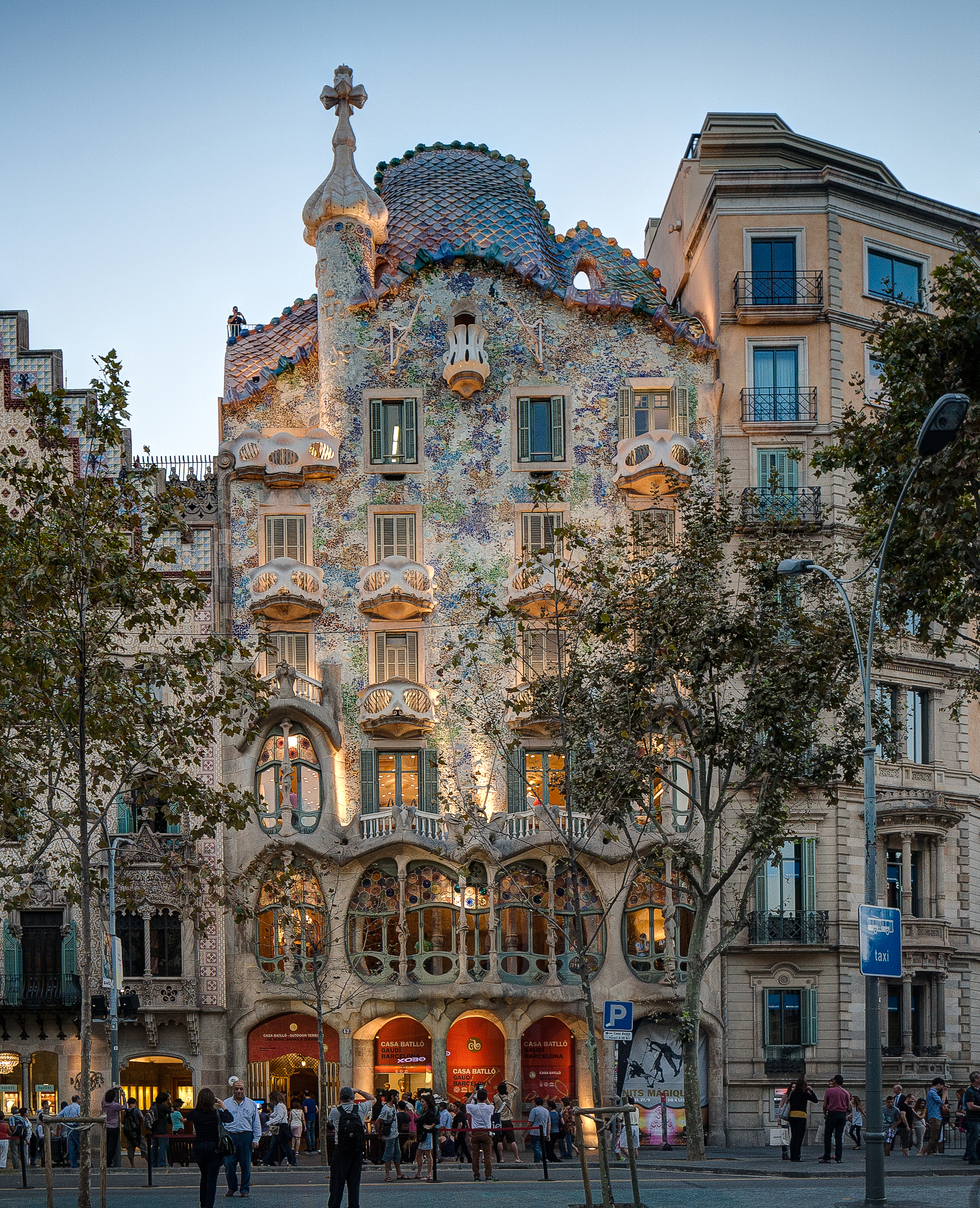
5. Casa Batlló
Description: A stunning masterpiece of Modernista architecture designed by Antoni Gaudí, known for its unique, organic facade resembling a dragon’s back or a marine-inspired creation, and its innovative interior design.
History: Built in 1877 as a conventional house, it was completely remodelled by Gaudí between 1904 and 1906 for the Batlló family. It is part of Barcelona’s ‘Block of Discord,’ featuring buildings by prominent Modernista architects.
Google Maps: Casa Batlló Location
Official Website: Official Website – Casa Batlló
Tickets: Book Tickets – Online booking is highly recommended for timed entry; prices vary by ticket type.
Opening Hours: Typically 9 AM – 9 PM, but check the official website for current schedules and special events.
Travel Options: Metro: L2, L3, L4 (Passeig de Gràcia). Several bus lines stop nearby.
Nearby Restaurants:
– El Nacional: A grand, multi-space gastronomic venue offering a variety of Spanish cuisines and bars under one roof, just off Passeig de Gràcia.
– Tapas 24: A popular, modern tapas bar by Carles Abellán, known for innovative twists on traditional dishes in a lively atmosphere.
Tips: Use the augmented reality guide included with the ticket to fully appreciate Gaudí’s visionary design. Visit in the late afternoon for beautiful natural light effects inside.

6. Travel Tips: Planning Your Barcelona Adventure
Description: Essential advice for travelers to Barcelona, focusing on pre-trip planning, cultural etiquette, and general recommendations to ensure a smooth and enjoyable visit.
History: Not applicable; this section provides practical travel advice rather than historical context for an attraction.
Google Maps: Travel Tips: Planning Your Barcelona Adventure Location
Tickets: N/A – This section offers practical advice, not an attraction requiring tickets.
Opening Hours: N/A
Travel Options: N/A; general advice includes planning transport routes in advance.
Nearby Restaurants:
– General Dining Advice: Explore local neighborhoods beyond tourist traps for authentic Catalan cuisine.
– Market Dining: Visit markets like La Boqueria or Mercat de Sant Antoni for fresh produce and diverse food stalls.
Tips: Learn a few basic Catalan or Spanish phrases, as locals appreciate the effort. Book popular attractions like Sagrada Família and Park Güell online well in advance to secure preferred times and avoid queues. Validate your public transport tickets upon entry to avoid fines. Always carry a copy of your passport and stay aware of your surroundings, especially in crowded areas.

7. Montjuïc Hill and Magic Fountain
Description: Montjuïc is a broad shallow hill offering panoramic city views, home to museums, gardens, and the Olympic Stadium. The Magic Fountain (Font Màgica) at its base is famous for its spectacular light, music, and water show.
History: Montjuïc has historical significance as a strategic defensive point, with a fortress at its summit. It was also the main site for the 1929 International Exposition and the 1992 Olympic Games, leading to significant development and beautification of the area.
Google Maps: Montjuïc Hill and Magic Fountain Location
Official Website: Magic Fountain Schedule
Tickets: Free entry – Exploring Montjuïc and viewing the Magic Fountain show are free. Individual attractions like the Montjuïc Castle or museums may charge fees.
Opening Hours: Montjuïc Hill is always accessible. Magic Fountain show times vary seasonally; check the official website.
Travel Options: Metro: L1, L3 (Espanya). Funicular de Montjuïc (from Parallel metro station). Montjuïc Cable Car. Bus: 55, 150.
Nearby Restaurants:
– Restaurant Miramar: Offers exquisite Mediterranean cuisine with breathtaking views of the city and port from Montjuïc.
– Tickets Bar: A Michelin-starred tapas bar by Adrià brothers (though it’s in El Paral·lel, near the base), known for its creative and playful gastronomic experience.
Tips: For the Magic Fountain, arrive early to secure a good viewing spot, especially during peak season. Combine your visit with a trip to Montjuïc Castle or the MNAC museum. Wear layers as it can be breezy on the hill.

8. Camp Nou
Description: The home stadium of FC Barcelona, and the largest stadium in Spain and Europe, offering a rich history of football and the chance to experience the FC Barcelona Museum.
History: Inaugurated in 1957, Camp Nou has been the iconic stage for FC Barcelona’s triumphs and legendary players. It has undergone several renovations and is currently undergoing a major redevelopment project (Espai Barça).
Google Maps: Camp Nou Location
Official Website: Official Website – FC Barcelona
Tickets: Book Tickets – Tickets for the Camp Nou Experience (museum and stadium tour) should be booked online. Match tickets are separate.
Opening Hours: Vary significantly on match days and for stadium redevelopment; check the official website for current tour hours.
Travel Options: Metro: L3 (Palau Reial or Les Corts), L5 (Collblanc or Badal). Several bus lines serve the area.
Nearby Restaurants:
– Futballarium: A sports-themed bar and restaurant near the stadium, popular for pre- and post-match meals and drinks.
– La Grada: Offers traditional Catalan and Spanish cuisine in a relaxed atmosphere, a short walk from Camp Nou.
Tips: If visiting during a match, book tickets well in advance. For the Camp Nou Experience, allow ample time, especially if you’re a football fan. Check the official site for information regarding the ongoing redevelopment and current access.
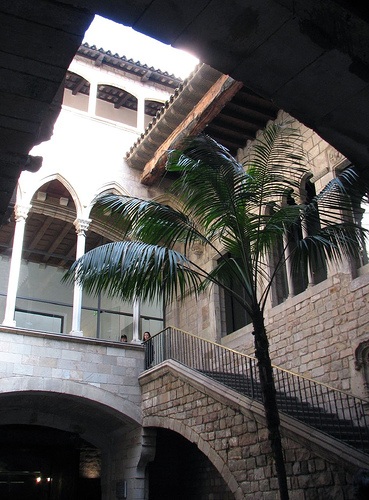
9. Picasso Museum (Museu Picasso)
Description: A key reference for understanding the formative years of Pablo Picasso, showcasing one of the most complete collections of his early works, including paintings, drawings, and engravings.
History: Opened in 1963, the museum was the brainchild of Picasso’s secretary and friend, Jaume Sabartés. It’s housed in five adjoining medieval palaces in the Gothic Quarter/El Born district, offering a unique setting for the collection.
Google Maps: Picasso Museum (Museu Picasso) Location
Official Website: Official Website – Museu Picasso
Tickets: Book Tickets – Timed entry is recommended, especially for peak seasons. Free entry on certain days/hours; check the website.
Opening Hours: Typically Tuesday-Sunday, 9 AM – 8 PM; closed Mondays. Check the official website for specific closures or extended hours.
Travel Options: Metro: L4 (Jaume I). Walkable from Via Laietana and La Rambla.
Nearby Restaurants:
– Cal Pep: A renowned seafood tapas bar in Plaça de les Olles, famous for its fresh ingredients and lively counter service (arrive early).
– Bar del Pla: A popular, cozy tapas bar in the Born district, known for its creative Catalan tapas and friendly atmosphere.
Tips: Focus on the early works to understand Picasso’s artistic development. The museum can get very crowded, so booking timed tickets online is highly advisable. Free entry slots are popular and fill up quickly.

10. Arc de Triomf and Parc de la Ciutadella
Description: The Arc de Triomf is a monumental arch built as the main entrance to the 1888 Barcelona Universal Exposition. It leads to Parc de la Ciutadella, a lush urban park featuring the Barcelona Zoo, the Parlament de Catalunya, a beautiful fountain, and a boating lake.
History: The Arc de Triomf was designed by architect Josep Vilaseca i Casanovas. Parc de la Ciutadella occupies the site of a former military citadel, which was demolished in the mid-19th century to create the city’s first public park and host the 1888 Exposition.
Google Maps: Arc de Triomf and Parc de la Ciutadella Location
Official Website: Barcelona Tourism – Ciutadella Park
Tickets: Free entry – The Arc de Triomf and the park are free to visit. Specific attractions within the park like the Zoo or the Parliament may charge fees.
Opening Hours: Arc de Triomf and park are always accessible. Specific attractions within the park have their own hours.
Travel Options: Metro: L1 (Arc de Triomf). L4 (Ciutadella | Vila Olímpica). Renfe: Arc de Triomf station. Several bus lines.
Nearby Restaurants:
– Restaurant Passadís del Pep: A hidden gem near the park known for its high-quality seafood and no-menu approach, offering the best catches of the day.
– Calatrava: A charming café and restaurant located directly within the park, perfect for a casual meal or coffee with park views.
Tips: Rent a rowboat on the lake for a relaxing activity. Enjoy a picnic in the park. The Arc de Triomf area is popular for skateboarding and rollerblading.
11. Basilica of Santa Maria del Mar
Description: A stunning example of Catalan Gothic architecture, renowned for its pure and harmonious design, impressive stained-glass windows, and the speed with which it was built by the people of the Ribera quarter.
History: Built between 1329 and 1383, Santa Maria del Mar was uniquely funded and constructed by the dockworkers and merchants of the Ribera district, earning it the nickname ‘the Cathedral of the Sea.’
Google Maps: Basilica of Santa Maria del Mar Location
Official Website: Official Website – Santa Maria del Mar
Tickets: Check ticket details – Free entry for worship; guided tours, rooftop access, and specific visiting hours may incur a fee.
Opening Hours: Vary by religious services and tourist visits; check the official website for specific times.
Travel Options: Metro: L4 (Jaume I). Walkable from the Born district and Gothic Quarter.
Nearby Restaurants:
– La Vinya del Senyor: A popular wine bar directly facing the basilica, offering an extensive selection of wines and cheese/charcuterie boards.
– Tapeo: A modern tapas bar in the El Born district, known for its creative tapas and lively atmosphere.
Tips: Take the rooftop tour for magnificent views of Barcelona and a close-up look at the Gothic architecture. Attend a concert there for an unforgettable acoustic experience. Respect moments of worship.
12. Travel Tips: Getting Around and Staying Safe
Description: Practical advice on navigating Barcelona’s transport systems, ensuring personal safety, and handling common situations to make your trip stress-free.
History: Not applicable; this section is dedicated to practical travel advice.
Google Maps: Travel Tips: Getting Around and Staying Safe Location
Tickets: N/A – This section offers practical advice, not an attraction requiring tickets. However, purchasing a T-Casual public transport card is recommended for efficient travel.
Opening Hours: N/A
Travel Options: Utilize Barcelona’s efficient public transport (metro, bus, tram). Consider a T-Casual card for cost-effective travel. Walking is often the best way to explore central districts.
Nearby Restaurants:
– Late-night Dining: Be mindful of your belongings when dining in busy areas, especially late at night.
– Café Culture: Enjoy a coffee or snack at a street-side café, but keep bags close and secure.
Tips: Invest in a T-Casual card for 10 journeys on public transport, it’s more economical than single tickets. Watch out for pickpockets, particularly in crowded tourist areas like La Rambla, Gothic Quarter, and on public transport; keep valuables secure and out of sight. Use licensed taxis or ride-sharing apps. In an emergency, dial 112. Be aware of your surroundings, especially at night.
13. La Barceloneta Beach
Description: Barcelona’s most famous city beach, a bustling stretch of golden sand popular for sunbathing, swimming, and various watersports, lined with chiringuitos (beach bars) and restaurants.
History: Originally a fishermen’s quarter, La Barceloneta was a planned neighbourhood built in the 18th century. Its beachfront dramatically transformed for the 1992 Olympic Games, converting industrial areas into a popular urban beach.
Google Maps: La Barceloneta Beach Location
Official Website: Barcelona Tourism – Beaches
Tickets: Free entry – The beach is free and open to the public.
Opening Hours: Open 24/7. Lifeguard services typically operate during daylight hours in warmer months.
Travel Options: Metro: L4 (Barceloneta). Tram: T4 (Ciutadella | Vila Olímpica). Several bus lines. Walkable from Ciutadella Park.
Nearby Restaurants:
– Can Majó: A highly-regarded seafood restaurant right on the beach, famous for its paella and fresh catches.
– Gallito: Located on the W Hotel boardwalk, offering excellent Mediterranean and Mexican fusion cuisine with stunning sea views.
Tips: Be cautious of street vendors and their offerings. Keep an eye on your belongings, as petty theft can occur on crowded beaches. Enjoy a stroll along the promenade (Passeig Marítim) or rent a bicycle.
14. Palau de la Música Catalana
Description: A stunning concert hall designed by Lluís Domènech i Montaner, a leading architect of Catalan Modernisme. It’s a UNESCO World Heritage site renowned for its elaborate glass and mosaic decorations, particularly the inverted stained-glass dome.
History: Built between 1905 and 1908, it was designed as a home for the Orfeó Català choral society. It stands as a vibrant symbol of Catalan national pride and a jewel of Modernista architecture.
Google Maps: Palau de la Música Catalana Location
Official Website: Official Website – Palau de la Música Catalana
Tickets: Book Tickets – Book guided tours or concert tickets online in advance. Prices vary.
Opening Hours: Guided tour times vary; check the official website. Open for evening performances.
Travel Options: Metro: L1, L4 (Urquinaona). Walkable from Plaça de Catalunya and the Gothic Quarter.
Nearby Restaurants:
– Restaurant Citrus: A stylish restaurant near the Palau, offering modern Mediterranean cuisine in an elegant setting.
– Txakolín: A Basque tavern specializing in pintxos (small snacks) and traditional dishes, perfect for a pre-show bite.
Tips: Even if you don’t attend a concert, take a guided tour to fully appreciate the intricate details and history of the building. The acoustics are superb, so consider catching a performance if your schedule allows.
15. El Raval
Description: A vibrant and multicultural neighborhood known for its gritty charm, street art, independent boutiques, and diverse culinary scene. It’s home to the MACBA (Museum of Contemporary Art of Barcelona) and the CCCB (Centre de Cultura Contemporània de Barcelona).
History: Historically an area outside the city walls, El Raval developed as a working-class neighborhood, often associated with poverty and crime. In recent decades, urban regeneration projects have revitalized parts of it, attracting artists and new businesses while retaining its authentic character.
Google Maps: El Raval Location
Official Website: Barcelona Tourism – El Raval
Tickets: Free entry – The neighborhood is free to explore. Individual museums and attractions have their own ticket prices.
Opening Hours: Always open for exploration. Shops, bars, and museums have their own hours.
Travel Options: Metro: L2, L3 (Parallel), L3 (Liceu), L1, L2 (Universitat). Walkable from La Rambla.
Nearby Restaurants:
– Bar Cañete: A highly-rated, bustling tapas bar known for its fresh market ingredients and traditional Spanish dishes, popular with locals.
– Dos Palillos: A Michelin-starred restaurant offering an innovative fusion of Asian and Spanish cuisine in a chic setting.
Tips: Explore the side streets and squares for unique shops and local eateries. While generally safe during the day, exercise caution and awareness, especially at night in some areas. Visit the MACBA for modern art and the CCCB for cultural exhibitions.
16. Hospital de Sant Pau
Description: A magnificent former hospital complex designed by Lluís Domènech i Montaner, a UNESCO World Heritage site and a jewel of Catalan Modernista architecture. It now serves as a cultural and knowledge center.
History: Built between 1902 and 1930, Sant Pau was designed as a utopian garden city for the sick, incorporating natural light, ventilation, and extensive green spaces, predating modern hospital design principles. It functioned as a hospital until 2009.
Google Maps: Hospital de Sant Pau Location
Official Website: Official Website – Sant Pau Recinte Modernista
Tickets: Book Tickets – Timed entry tickets for guided or unguided visits are available online.
Opening Hours: Typically Monday-Sunday, 10 AM – 4:30 PM or 6:30 PM, depending on the season. Check the official website.
Travel Options: Metro: L5 (Sant Pau | Dos de Maig), L4 (Guinardó | Hospital de Sant Pau). Several bus lines.
Nearby Restaurants:
– La Paradeta Sagrada Familia: A casual seafood restaurant where you choose your fresh fish and shellfish, then it’s cooked to order (a short walk from Sant Pau).
– El Convent: A traditional Catalan restaurant offering hearty, authentic dishes in a charming setting near the hospital.
Tips: Allow plenty of time to explore the various pavilions and underground tunnels. The site is less crowded than Gaudí’s works but equally impressive. Combine with a visit to the Sagrada Família, which is a pleasant walk away.
17. Magic Fountain of Montjuïc
Description: The Magic Fountain (Font Màgica) at the foot of Montjuïc Hill is renowned for its spectacular light, music, and water show, creating dazzling choreography set to popular tunes.
History: Designed by Carles Buïgas for the 1929 International Exposition, the fountain was initially conceived to be just illuminated, but Buïgas quickly proposed adding a water show, which he described as ‘poetic, artistic, and daring.’
Google Maps: Magic Fountain of Montjuïc Location
Official Website: Magic Fountain Schedule
Tickets: Free entry – The show is free to attend.
Opening Hours: Show times vary significantly by season and day of the week; check the official website for current schedules. Often runs on weekend evenings.
Travel Options: Metro: L1, L3 (Espanya). Funicular de Montjuïc (from Parallel metro station) followed by a walk. Several bus lines.
Nearby Restaurants:
– La Mundana: A gastropub known for its creative tapas and vermouth, a bit of a walk but well-regarded.
– Tapioles 53: A traditional Catalan restaurant offering authentic dishes, popular with locals, located slightly away from the immediate tourist hub.
Tips: Arrive 30-60 minutes before the show starts to get a good viewing spot, especially during peak season. Combine your visit with the MNAC (National Art Museum of Catalonia) or a walk around the Montjuïc fountains. Check the schedule carefully as it changes.
18. Travel Tips: Food, Drink, and Local Experiences
Description: Guidance on enjoying Barcelona’s vibrant culinary scene, understanding local dining customs, and seeking authentic experiences beyond the typical tourist path.
History: Not applicable; this section provides practical travel advice.
Google Maps: Travel Tips: Food, Drink, and Local Experiences Location
Tickets: N/A – This section offers practical advice on culinary exploration, not an attraction requiring tickets.
Opening Hours: N/A
Travel Options: N/A; general advice includes exploring different neighborhoods on foot to discover local eateries.
Nearby Restaurants:
– Tapas Bars: Embrace the tapas culture: order a few small dishes and share. Don’t be afraid to try standing-room-only bars for a true local feel.
– Vermouth Bars: Experience the local tradition of ‘la hora del vermut’ (vermouth hour) before lunch.
Tips: Dine late like a local; dinner typically starts around 9 PM or 10 PM. Don’t miss trying local specialties like paella (often best at lunch), ‘pan con tomate,’ ‘patatas bravas,’ and fresh seafood. Explore neighborhood markets for fresh produce and local snacks. Be aware that many smaller shops and restaurants close for ‘siesta’ in the mid-afternoon. Tipping is appreciated but not mandatory; typically round up or leave a few euros for good service.
19. Tibidabo Amusement Park
Description: Perched atop Tibidabo mountain, this historic amusement park offers classic rides, panoramic views of Barcelona, and a charming, nostalgic atmosphere, adjacent to the Sagrat Cor church.
History: Opened in 1905, Tibidabo is one of the oldest operating amusement parks in the world. It has maintained much of its original charm and historic rides while also adding modern attractions.
Google Maps: Tibidabo Amusement Park Location
Official Website: Official Website – Tibidabo Amusement Park
Tickets: Book Tickets – Tickets can be purchased online or at the entrance; various ticket types are available, including those for just the panoramic area.
Opening Hours: Vary significantly by season and day; typically open on weekends and holidays, and daily during summer. Check the official website.
Travel Options: Metro: L7 (Av. Tibidabo), then take the Tibibus T2A or the historic Tramvia Blau (currently replaced by a bus) and the Funicular del Tibidabo.
Nearby Restaurants:
– Club Mirablau: Located on the side of Tibidabo, offering spectacular city views, cocktails, and a fine dining experience.
– Restaurant La Masia: A traditional Catalan farmhouse-style restaurant near the park entrance, known for its hearty meals.
Tips: Check the opening hours and days carefully, as they are seasonal. Take the Funicular for a scenic ride up. Even if you don’t ride the attractions, the panoramic views from the Plaça del Tibidabo are worth the journey.
20. Casa Milà (La Pedrera)
Description: Another iconic Modernista building designed by Antoni Gaudí, known for its undulating stone facade resembling a quarry (hence ‘La Pedrera’) and its imaginative rooftop featuring sculptural chimneys. A UNESCO World Heritage site.
History: Built between 1906 and 1912 for Pere Milà i Camps and Roser Segimon, Casa Milà was Gaudí’s last private residence commission. Its innovative structure and natural forms initially caused controversy but are now celebrated as architectural genius.
Google Maps: Casa Milà (La Pedrera) Location
Official Website: Official Website – La Pedrera
Tickets: Book Tickets – Timed entry tickets are highly recommended to be booked online in advance.
Opening Hours: Typically 9 AM – 6:30 PM or 8:30 PM, depending on the season, with evening experiences also available. Check the official website.
Travel Options: Metro: L3, L5 (Diagonal). Several bus lines stop nearby.
Nearby Restaurants:
– Farga Diagonal: An elegant café and restaurant known for its high-quality pastries, gourmet sandwiches, and light meals, perfect for a refined quick bite.
– Semproniana: A charming and creative restaurant known for its Mediterranean cuisine with a modern twist, located a short walk from La Pedrera.
Tips: Don’t miss the unique ‘Warrior Rooftop’ with its surreal chimneys. Consider the night experience (‘Gaudí’s Pedrera: The Origins’) for a different perspective with lights and projections. An audio guide is usually included and provides excellent context.
AI Travel Tools