

Discover the vibrant heart of Vietnam with our comprehensive guide to Hanoi’s top attractions. From ancient temples and bustling markets to serene lakes and poignant historical sites, this updated list provides all the essential details to explore the city’s rich culture, history, and captivating beauty.
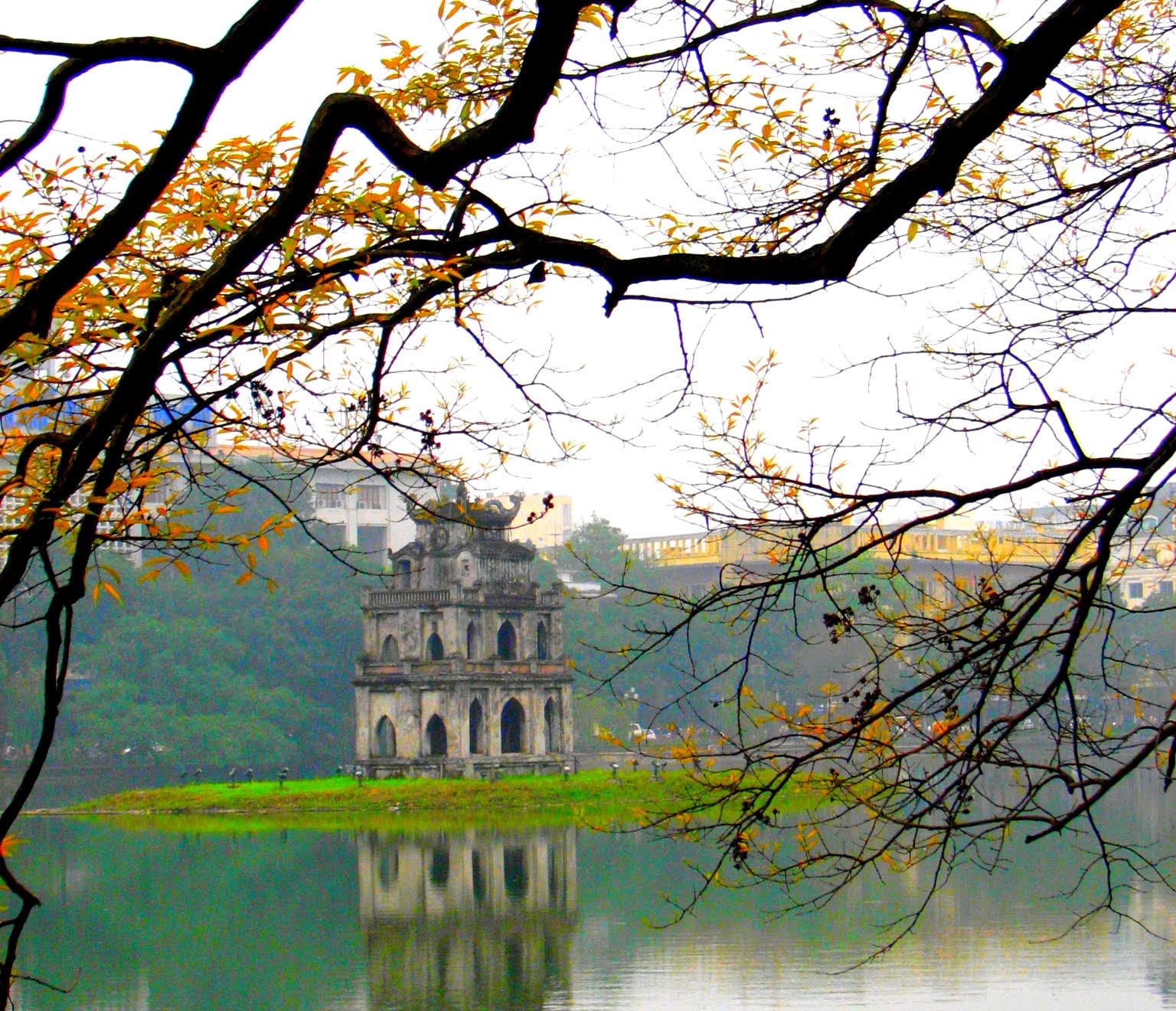
1. Hoan Kiem Lake and Ngoc Son Temple
Description: Hoan Kiem Lake is a picturesque freshwater lake at the historic heart of Hanoi, renowned for its tranquil waters and the iconic Ngoc Son Temple situated on a small island, accessible via the charming Huc Bridge (Bridge of the Rising Sun).
History: Hoan Kiem Lake, meaning ‘Lake of the Restored Sword,’ is central to a Vietnamese legend of Emperor Le Loi, who received a magical sword from the Golden Turtle God to defeat the Ming invaders. After the victory, the turtle reappeared to reclaim the sword. Ngoc Son Temple, built in the 18th century, is dedicated to Tran Hung Dao, a national hero; Van Xuong, a scholar; and La To, a patron saint of physicians.
Google Maps: Hoan Kiem Lake and Ngoc Son Temple Location
Tickets: Check ticket details – Lake is free; Ngoc Son Temple requires a small entrance fee.
Opening Hours: Lake is accessible 24/7; Ngoc Son Temple typically 8:00 AM – 6:00 PM. Check official website for current hours.
Travel Options: Centrally located, easily reachable by walking, cyclo, or taxi/Grab from most downtown hotels.
Nearby Restaurants:
– Bún Chả Hương Liên (Obama Bun Cha): Famous for its traditional Bun Cha, visited by former U.S. President Barack Obama.
– Giang Cafe: Renowned as one of the original establishments serving Hanoi’s famous egg coffee.
Tips: Visit early morning to see locals practicing tai chi or enjoy the illuminated Huc Bridge and Ngoc Son Temple in the evening.

2. Old Quarter (Hanoi’s Historic District)
Description: A vibrant maze of narrow streets and alleys, the Old Quarter is Hanoi’s historic commercial hub, famous for its ancient architecture, street food, traditional crafts, and bustling atmosphere.
History: Dating back over 1,000 years to the Ly Dynasty, the Old Quarter was organized into ’36 Guild Streets,’ where each street specialized in a particular trade or craft, such as silk, silver, or herbal medicine. Many of these traditions continue today.
Google Maps: Old Quarter (Hanoi’s Historic District) Location
Tickets: Free entry – Free to explore, costs depend on purchases and activities.
Opening Hours: Always open; shops typically 9:00 AM – 9:00 PM, with street food stalls often opening earlier and closing later.
Travel Options: Best explored on foot, cyclo, or Grab bike/car. Many hotels are located within or adjacent to the Old Quarter.
Nearby Restaurants:
– Pho 10 Ly Quoc Su: A popular spot for authentic traditional beef pho.
– Cha Ca Thang Long: Specializes in Cha Ca La Vong, a renowned grilled fish with dill and turmeric dish.
Tips: Embrace the chaos, explore on foot to discover hidden gems, and don’t hesitate to try street food from reputable vendors. Bargain politely in markets.

3. Temple of Literature (Van Mieu – Quoc Tu Giam)
Description: This exquisite complex is Vietnam’s first national university, a serene oasis and a profound symbol of Confucianism and scholarly pursuits in Vietnamese history.
History: Established in 1070 by Emperor Ly Thanh Tong, the Temple of Literature was initially dedicated to Confucius. Six years later, Quoc Tu Giam (Imperial Academy) was added, serving as the first national university, educating princes, mandarins, and later, exceptionally gifted commoners.
Google Maps: Temple of Literature (Van Mieu – Quoc Tu Giam) Location
Official Website: Van Mieu Quoc Tu Giam official website
Tickets: Book Tickets – Small entrance fee required.
Opening Hours: Typically 8:00 AM – 5:00 PM. Check official website for current hours.
Travel Options: Accessible by taxi/Grab, bus, or a pleasant walk from Hoan Kiem Lake.
Nearby Restaurants:
– KOTO Van Mieu: A social enterprise restaurant offering a mix of Vietnamese and international cuisine, supporting disadvantaged youth.
– Xoi Yen: Famous for its diverse and delicious sticky rice (xoi) with various toppings.
Tips: Dress modestly as it is a place of worship and historical significance. Visit early in the morning to enjoy the tranquility and avoid larger crowds.

4. Ho Chi Minh Mausoleum
Description: A grand, imposing memorial housing the embalmed body of Vietnam’s revolutionary leader, Ho Chi Minh. It stands as a symbol of reverence for his legacy.
History: Constructed between 1973 and 1975, the mausoleum was built against Ho Chi Minh’s wishes for a simple cremation. It serves as a permanent memorial, fulfilling the desire of the Vietnamese people to honor him.
Google Maps: Ho Chi Minh Mausoleum Location
Official Website: Ho Chi Minh Mausoleum Management Board
Tickets: Free entry – Entry to the mausoleum itself is free, but access is highly regulated.
Opening Hours: Very specific and limited hours, often closed on Mondays and Fridays, and for annual maintenance (usually Sep-Nov). Check official website for current schedule.
Travel Options: Located in Ba Dinh Square, accessible by taxi/Grab, bus, or a walk from nearby attractions.
Nearby Restaurants:
– Nhà Hàng Cơm Phố: Offers a variety of traditional Vietnamese rice dishes in a local setting.
– Quán Ăn Ngon: Popular for offering a wide selection of Vietnamese street food and regional specialties in a restaurant setting.
Tips: Observe a strict dress code (shoulders and knees covered), maintain silence, and photography is prohibited inside. Check opening hours carefully before visiting.

5. Thang Long Imperial Citadel
Description: A UNESCO World Heritage Site, this ancient citadel complex reveals layers of Vietnamese history and culture, featuring archaeological remains and impressive structures.
History: Built in the 11th century by the Ly Dynasty, the Thang Long Imperial Citadel served as the political center of Vietnam for nearly eight centuries. It witnessed numerous dynasties, expansions, and destructions, with ongoing archaeological excavations continuing to uncover its past.
Google Maps: Thang Long Imperial Citadel Location
Official Website: Thang Long Imperial Citadel official website
Tickets: Book Tickets – Small entrance fee required.
Opening Hours: Typically 8:00 AM – 5:00 PM, closed on Mondays. Check official website for current hours.
Travel Options: Easily accessible by taxi/Grab, bus, or a short walk from Ho Chi Minh Mausoleum.
Nearby Restaurants:
– Green Tangerine: An elegant French-Vietnamese fusion restaurant located in a beautiful colonial villa.
– Bánh Mì 25: A highly-rated street food stall famous for its diverse and delicious banh mi sandwiches.
Tips: Allocate several hours to explore the various exhibition halls, archaeological sites, and the Flag Tower. Guided tours are often available.

6. General Travel Tips (Hanoi Section 1)
Description: Practical advice for visitors exploring Hanoi’s initial set of attractions, focusing on common inquiries and enhancing the travel experience.
History: N/A
Google Maps: General Travel Tips (Hanoi Section 1) Location
Tickets: Free Information – Enhance your travel experience with these insights.
Opening Hours: Always available
Travel Options: N/A
Nearby Restaurants:
– Cà Phê Trứng Giảng (Original Giang Cafe): A historic cafe famous for its unique egg coffee.
– Bún Chả Đắc Kim: A long-standing eatery known for its delicious bun cha.
Tips: Always carry small denominations of Vietnamese Dong for street vendors and small purchases. Negotiate prices politely in markets and use ride-hailing apps like Grab for convenient transport.

7. Tran Quoc Pagoda
Description: The oldest pagoda in Hanoi, situated on a small islet near West Lake. It is an exquisite example of traditional Vietnamese Buddhist architecture, known for its tranquil beauty.
History: Built in the 6th century during the reign of Emperor Ly Nam De, it was originally located on the Red River bank and named Khai Quoc Pagoda. It was later moved to its current location on West Lake in the 17th century and renamed Tran Quoc, meaning ‘Guard the Nation’.
Google Maps: Tran Quoc Pagoda Location
Tickets: Free entry – Entry is generally free, donations are welcome.
Opening Hours: Typically 8:00 AM – 5:00 PM. Check local signs for current hours.
Travel Options: Accessible by taxi/Grab, bus, or a pleasant bicycle ride around West Lake.
Nearby Restaurants:
– The Coffee House (Tay Ho branch): A popular modern Vietnamese coffee chain with good views of the lake.
– Banh Tom Ho Tay: Famous for its crispy shrimp cakes, a local specialty of West Lake.
Tips: Dress respectfully (shoulders and knees covered) as it is an active place of worship. It’s particularly beautiful at sunset.

8. West Lake (Ho Tay)
Description: Hanoi’s largest freshwater lake, offering a scenic escape from the city’s hustle. Its shores are lined with upscale residences, cafes, restaurants, and historic temples like Tran Quoc Pagoda.
History: Formed from a segment of the Red River, West Lake has historically been a favored leisure spot for Vietnamese royalty and mandarins. Its perimeter is dotted with ancient pagodas and communal houses, reflecting centuries of spiritual and cultural significance.
Google Maps: West Lake (Ho Tay) Location
Tickets: Free entry – Free to visit, costs depend on activities such as boat rides or rentals.
Opening Hours: Always open.
Travel Options: Best explored by cycling, taxi/Grab, or on foot for smaller sections. Several bus routes also serve the area.
Nearby Restaurants:
– Maison de Tet Decor: A charming cafe and restaurant with lake views, known for its healthy Vietnamese and Western dishes.
– Don’s Bistro: An upscale international restaurant offering fine dining and often live music with lake views.
Tips: Rent a bicycle to cycle the full perimeter of the lake for diverse views, or enjoy a sunset drink at one of the lakeside cafes.

9. Hanoi Opera House
Description: A magnificent example of French colonial architecture, modeled after the Palais Garnier in Paris, serving as a prominent venue for classical performances and cultural events.
History: Built between 1901 and 1911 by the French colonial administration, the Hanoi Opera House quickly became a cultural focal point. It has hosted many significant political and cultural events throughout Vietnam’s modern history.
Google Maps: Hanoi Opera House Location
Official Website: Hanoi Opera House official website
Tickets: Book Tickets – Tickets vary depending on the performance. Guided tours may be available.
Opening Hours: Varies by performance schedule; exterior accessible anytime. Check official website for performance times.
Travel Options: Located centrally, a short walk from Hoan Kiem Lake, or accessible by taxi/Grab and bus.
Nearby Restaurants:
– Madame Hien: Offers refined Vietnamese cuisine in a beautiful colonial setting, close to the opera house.
– Sam Restaurant: Known for its sophisticated take on Vietnamese and French fusion cuisine.
Tips: Consider attending a classical concert or traditional Vietnamese performance to experience the grandeur of the interior. Even if not attending a show, the exterior is worth admiring.

10. Quan Thanh Temple
Description: An ancient Taoist temple located near West Lake, dedicated to Huyen Thien Tran Vu, one of the Four Immortals who guarded the north of ancient Hanoi.
History: Believed to have been built in the 11th century during the Ly Dynasty, the temple has undergone several reconstructions. It is particularly famous for its impressive black bronze statue of Tran Vu, cast in 1677, weighing nearly four tons.
Google Maps: Quan Thanh Temple Location
Tickets: Check ticket details – Small entrance fee required.
Opening Hours: Typically 8:00 AM – 5:00 PM. Check local signs for current hours.
Travel Options: Accessible by taxi/Grab, bus, or a short walk from Tran Quoc Pagoda and West Lake.
Nearby Restaurants:
– Bún Chả Hàng Quạt: A renowned local spot known for its delicious grilled pork and noodle dish.
– Nhà Hàng Vua Chả Cá: Specializes in Cha Ca, a traditional Hanoi grilled fish dish, offering a focused culinary experience.
Tips: Observe the intricate wood carvings and the imposing bronze statue of Tran Vu. It’s a peaceful temple to visit away from the busiest crowds.
11. Vietnam Museum of Ethnology
Description: A comprehensive museum showcasing the rich cultural diversity of Vietnam’s 54 ethnic groups through extensive indoor and outdoor exhibits, including traditional houses and artifacts.
History: Established in 1997, the museum serves as a vital center for research, preservation, and public education on the distinct cultures, traditions, and daily lives of Vietnam’s various ethnic communities.
Google Maps: Vietnam Museum of Ethnology Location
Official Website: Vietnam Museum of Ethnology official website
Tickets: Book Tickets – Small entrance fee required.
Opening Hours: Typically 8:30 AM – 5:30 PM, closed on Mondays. Check official website for current hours.
Travel Options: Best reached by taxi/Grab or bus, as it is slightly outside the city center.
Nearby Restaurants:
– Cơm Niêu Singapore Kombo: Known for its Singaporean-style claypot rice, offering a taste of regional Asian cuisine.
– Pao Quan: A popular local restaurant serving a variety of authentic Vietnamese dishes, especially grilled specialties.
Tips: Allocate at least half a day to fully explore both the indoor exhibitions and the fascinating outdoor display of traditional ethnic houses. It’s highly educational.
12. General Travel Tips (Hanoi Section 2)
Description: Further practical advice for visitors to Hanoi, focusing on cultural etiquette, safety, and enhancing the second part of their exploration.
History: N/A
Google Maps: General Travel Tips (Hanoi Section 2) Location
Tickets: Free Information – Valuable insights for a smooth trip.
Opening Hours: Always available
Travel Options: N/A
Nearby Restaurants:
– Chả Cá Lã Vọng: A historic restaurant famous for its single, iconic dish: Cha Ca, grilled fish with dill and turmeric.
– Phở Gia Truyền Bát Đàn: A traditional pho spot known for its authentic flavors and often a long queue of eager diners.
Tips: Be mindful of local customs, such as removing shoes before entering homes or temples. Stay hydrated, especially during warmer months, and be cautious of pickpockets in crowded areas.
13. Dong Xuan Market
Description: Hanoi’s largest indoor market, a bustling and vibrant hub for wholesale and retail goods, offering everything from clothing and electronics to fresh produce and local street food.
History: Built by the French colonial administration in 1889, Dong Xuan Market has been a central trading point in Hanoi for over a century, surviving wars and multiple renovations to remain a vital economic and cultural landmark.
Google Maps: Dong Xuan Market Location
Tickets: Free entry – Entry to the market is free, but costs depend on purchases.
Opening Hours: Typically 6:00 AM – 7:00 PM, with some stalls opening earlier and closing later. Check locally for specific vendor hours.
Travel Options: Located at the northern edge of the Old Quarter, easily accessible on foot, by cyclo, taxi/Grab, or bus.
Nearby Restaurants:
– Bún chả nem cua bể Hàng Mành: A popular spot known for its delicious bun cha and crab spring rolls.
– Phở Cuốn Hưng Bền: Famous for pho cuon (fresh pho rolls) and other local delicacies.
Tips: Practice your bargaining skills, especially for non-food items. Explore the food stalls on the ground floor and surrounding alleys for authentic street food experiences. Watch your belongings in crowded areas.
14. Hanoi Train Street
Description: A unique, narrow residential street where an active railway track runs directly through the houses, creating a captivating and occasionally dramatic urban spectacle when trains pass.
History: The railway line has been in operation for decades, serving as a functional part of Vietnam’s transport network. It gained international fame as a tourist attraction, though access has been subject to closures and restrictions due to safety concerns.
Google Maps: Hanoi Train Street Location
Tickets: Free to observe – Entry to the street is free, but cafes often charge for seating during train times. Access can be restricted.
Opening Hours: Always open to residents, but best experienced during train passing times, which vary and are subject to change. Check locally for current access rules.
Travel Options: Accessible by walking from the Old Quarter, or by taxi/Grab. Be aware that official access points may be restricted.
Nearby Restaurants:
– Numerous small cafes along Train Street: Offering local snacks and drinks, often with precarious seating just inches from the tracks.
– Cafe Ga Ha Noi: A cafe right by the main train station, offering a different perspective of the railway.
Tips: Prioritize safety by standing clear of the tracks when a train is approaching. Check current access restrictions before planning your visit, as rules can change frequently.
15. Perfume Pagoda (Chua Huong)
Description: A vast complex of Buddhist temples and shrines carved into the limestone cliffs of the Huong Tich Mountains, accessible via a scenic boat trip and optional cable car or hike.
History: Dating back to the 15th century, Perfume Pagoda is one of Vietnam’s most significant Buddhist pilgrimage sites. Its mystical landscape and sacred caves have attracted pilgrims and visitors for centuries, especially during the spring festival.
Google Maps: Perfume Pagoda (Chua Huong) Location
Tickets: Check ticket details – Requires entrance fee, boat fee, and optional cable car fee. Usually purchased as a package at the dock.
Opening Hours: Typically 7:00 AM – 6:00 PM for boat services and cable car. Check locally for current operating hours.
Travel Options: A full-day trip from Hanoi, usually by organized tour bus or private car to the boat dock in My Duc district, followed by a boat ride and hike/cable car.
Nearby Restaurants:
– Local eateries near the boat docks: Offering simple Vietnamese fare, often specializing in freshwater fish dishes.
– Restaurants along the pilgrimage route: Providing basic meals and refreshments for pilgrims and visitors.
Tips: Wear comfortable walking shoes and bring water. Avoid visiting during the Perfume Pagoda Festival (January to April) if you wish to avoid large crowds. Be prepared for a full-day excursion.
16. Hoa Lo Prison Museum (Maison Centrale)
Description: A former French colonial prison, notoriously known as the ‘Hanoi Hilton’ during the Vietnam War, now a museum detailing its grim history and the experiences of its prisoners.
History: Built by the French in 1896 to incarcerate Vietnamese political prisoners, it was one of the most brutal colonial prisons. During the Vietnam War, it held American POWs, who sarcastically dubbed it the ‘Hanoi Hilton.’ The museum focuses primarily on the Vietnamese experience under French rule.
Google Maps: Hoa Lo Prison Museum (Maison Centrale) Location
Official Website: Hoa Lo Prison Museum official website
Tickets: Book Tickets – Small entrance fee required.
Opening Hours: Typically 8:00 AM – 5:00 PM. Check official website for current hours.
Travel Options: Located centrally, within walking distance from Hoan Kiem Lake, or accessible by taxi/Grab and bus.
Nearby Restaurants:
– PHO THIN BO HO: A highly-rated local eatery famous for its traditional beef pho.
– Xofa Café & Bistro: A cozy cafe offering a mix of Western and Vietnamese dishes, open late into the evening.
Tips: Be prepared for a somber and emotionally impactful experience. The museum presents a specific historical perspective, primarily focusing on the French colonial period.
17. Vietnam Fine Arts Museum (Bao Tang My Thuat)
Description: Housed in a beautiful colonial building, this museum showcases a vast collection of Vietnamese art from ancient times to contemporary works, including folk art, sculpture, and lacquerware.
History: The building itself was formerly a French Ministry of Information building. The museum was established in 1966 and is one of Vietnam’s most important national art museums, providing insight into the nation’s rich artistic heritage.
Google Maps: Vietnam Fine Arts Museum (Bao Tang My Thuat) Location
Official Website: Vietnam Fine Arts Museum official website
Tickets: Book Tickets – Small entrance fee required.
Opening Hours: Typically 8:30 AM – 5:00 PM. Check official website for current hours.
Travel Options: Located near the Temple of Literature, accessible on foot, by taxi/Grab, or bus.
Nearby Restaurants:
– Home Moc Restaurant: Offers authentic Vietnamese cuisine in a charming, traditional setting.
– Quán Ngon Phố Cổ: A popular spot for a wide variety of Vietnamese street food dishes and regional specialties.
Tips: Allow a couple of hours to fully appreciate the diverse collection, from ancient Champa sculptures to modern propaganda art. It’s an excellent way to understand Vietnamese culture through its artistic expressions.
18. General Travel Tips (Hanoi Section 3)
Description: Final set of essential travel tips for Hanoi visitors, covering logistics, communication, and departing considerations to ensure a smooth conclusion to their trip.
History: N/A
Google Maps: General Travel Tips (Hanoi Section 3) Location
Tickets: Free Information – Concluding advice for a memorable journey.
Opening Hours: Always available
Travel Options: N/A
Nearby Restaurants:
– Phở Bát Đàn: Known for its traditional pho with a unique queuing system (order and pay first, then collect).
– Quán Ăn Ngon Phan Bội Châu: Another branch of the popular ‘Quan An Ngon’ chain, offering a wide array of Vietnamese dishes in a lively setting.
Tips: Learn a few basic Vietnamese phrases; locals appreciate the effort. Consider purchasing a local SIM card for easy navigation and communication. Always confirm airport transfer details in advance.
19. Long Bien Bridge
Description: A historic cantilever bridge spanning the Red River, designed by Gustave Eiffel, offering panoramic views and serving as a poignant symbol of Hanoi’s resilience.
History: Built between 1899 and 1902 by the French, it was one of the longest bridges in Asia at the time. It played a crucial strategic role and suffered extensive bombing during the Vietnam War, yet it was repeatedly repaired and remains operational today.
Google Maps: Long Bien Bridge Location
Tickets: Free entry – Free to cross for pedestrians, motorbikes, and trains.
Opening Hours: Always open.
Travel Options: Accessible by walking (pedestrian pathway), bicycle, motorbike, or a short taxi/Grab ride from the Old Quarter.
Nearby Restaurants:
– Cà Phê Phố Cổ: Famous for its egg coffee and excellent views over Hoan Kiem Lake and the city skyline (a short distance from the bridge’s Old Quarter entrance).
– Sứ Restaurant: Offers modern Vietnamese cuisine in a stylish setting near the old quarter entrance to the bridge.
Tips: Walk or cycle across the pedestrian path for the best views, especially at sunrise or sunset. Be mindful of active trains and motorbikes sharing the bridge.
20. Bat Trang Ceramic Village
Description: A traditional craft village renowned for its centuries-old ceramic and pottery tradition, offering visitors the chance to explore workshops, purchase unique pottery, and even try pottery making.
History: Bat Trang has been a famous pottery village for over 1,000 years, supplying ceramics to the imperial court and for export. Its artisans have preserved and passed down traditional techniques through generations, adapting to modern demands while retaining their heritage.
Google Maps: Bat Trang Ceramic Village Location
Tickets: Free entry to village – Workshops and some exhibitions may have a small fee.
Opening Hours: Typically 8:00 AM – 6:00 PM for workshops and shops. Village is always accessible.
Travel Options: Accessible by taxi/Grab, local bus, or a scenic boat trip on the Red River from Hanoi’s Long Bien Bridge area.
Nearby Restaurants:
– Local eateries within Bat Trang village: Serving simple and authentic Vietnamese food, often featuring regional specialties.
– Nhà Hàng Làng Cổ Bát Tràng: A traditional restaurant offering local dishes within a charming, rustic setting.
Tips: Try your hand at pottery making in one of the workshops. Don’t be afraid to haggle for good prices on ceramic souvenirs. Explore the ancient kiln area for historical insight.
AI Travel Tools