

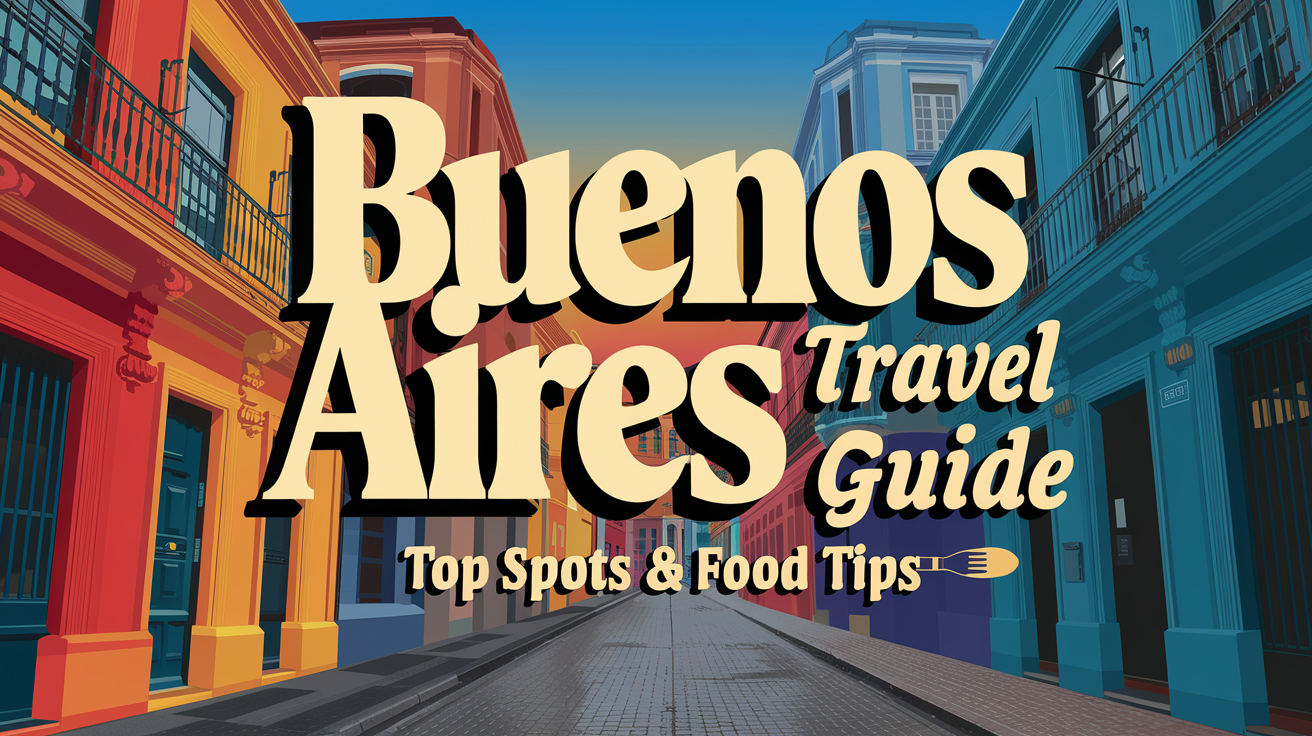
Embark on an unforgettable journey through Buenos Aires, Argentina, with our comprehensive guide to the city’s top 20 must-visit attractions. From vibrant neighborhoods brimming with history and culture to architectural marvels and serene green spaces, discover the essence of the ‘Paris of South America.’ This updated guide provides all the practical details you need to explore Buenos Aires, ensuring a memorable and seamless travel experience.
1. La Boca and Caminito Street
Description: A vibrant and colorful neighborhood in Buenos Aires, La Boca is famous for its pedestrian street museum, Caminito. Known for its brightly painted houses, street art, tango dancers, and artisan stalls, it offers a lively glimpse into the city’s immigrant past and artistic spirit.
History: La Boca was one of the first ports of Buenos Aires, settled by Italian immigrants in the late 19th century. The houses were painted with leftover ship paint, leading to their distinctive colorful appearance. Caminito itself was revitalized as an open-air museum in the 1950s by artist Benito Quinquela Martín.
Google Maps: La Boca and Caminito Street Location
Official Website: City of Buenos Aires Tourism
Tickets: Free entry – Free to walk around; some street shows or small museums may charge a fee.
Opening Hours: Always accessible; shops and galleries typically open daytime hours, generally from 10 AM to 6 PM. Best visited during daylight hours.
Travel Options: Accessible by bus (numerous lines) or taxi/ride-share. Walking from the city center is generally not recommended due to safety.
Nearby Restaurants:
– El Obrero: A classic, no-frills ‘bodegón’ known for traditional Argentine parrilla (grill) and hearty portions.
– La Perla: A historical diner-style restaurant offering a range of classic Argentine dishes and a bustling atmosphere.
Tips: Visit during the day for safety and the best atmosphere. Stick to the main tourist areas around Caminito. Be aware of your belongings, as pickpocketing can occur in crowded spots.
2. Recoleta Cemetery
Description: One of the world’s most impressive cemeteries, Recoleta Cemetery is an ornate city of the dead, featuring thousands of elaborate mausoleums, statues, and vaults. It is the final resting place of many prominent Argentinians, including Eva Perón (Evita).
History: Established in 1822, Recoleta Cemetery was originally the garden of the Recoleta friars’ convent. It quickly became the preferred burial site for Buenos Aires’ elite families, leading to the construction of extravagant, architecturally diverse mausoleums.
Google Maps: Recoleta Cemetery Location
Official Website: City of Buenos Aires Tourism
Tickets: Free entry – Admission is free.
Opening Hours: Typically open daily from 7 AM to 5 PM. Check the official website or local listings for any holiday hours or changes.
Travel Options: Easily reached by Metro (Line D, Facultad de Derecho station is nearby), numerous bus lines, or a pleasant walk from many central neighborhoods.
Nearby Restaurants:
– La Biela: A historic and iconic café directly opposite the cemetery entrance, famous for its outdoor seating and traditional pastries.
– El Ateneo Grand Splendid (Cafeteria): Though a bookstore, its cafe is located on the former stage, offering coffee and light bites in a stunning architectural setting.
Tips: Pick up a map at the entrance to help navigate and find famous graves like Eva Perón’s. Wear comfortable shoes as you’ll be doing a lot of walking. Respect the quiet and solemnity of the place.
3. Teatro Colón
Description: Regarded as one of the top five opera houses in the world, Teatro Colón is an architectural masterpiece renowned for its exceptional acoustics, opulent interiors, and grand scale. It hosts world-class opera, ballet, and classical music performances.
History: The current Teatro Colón opened in 1908 after a nearly two-decade construction period, replacing an earlier theater. Designed by several architects, its distinctive eclecticism and advanced stage technology made it a landmark of global performing arts.
Google Maps: Teatro Colón Location
Official Website: Teatro Colón Official Website
Tickets: Book Tickets – Tickets for guided tours and performances can be purchased online or at the box office. Tour prices vary.
Opening Hours: Guided tours typically run several times a day. Performance schedules vary by season. Check the official website for current timings.
Travel Options: Centrally located, easily accessible by several Metro lines (e.g., Tribunales on Line D, Lavalle on Line C), numerous bus routes, or walking from downtown areas.
Nearby Restaurants:
– Broccolino: A popular Italian restaurant offering traditional pasta and meat dishes in a cozy, unpretentious setting.
– El Palacio de la Papa Frita: A classic Argentine eatery famous for its ‘papas fritas a caballo’ (fries with fried eggs) and various milanesa preparations.
Tips: Book guided tours and performance tickets well in advance, especially during peak season. A smart casual dress code is generally expected for performances.
4. Plaza de Mayo and Casa Rosada
Description: Plaza de Mayo is the oldest public square in Buenos Aires and the historic heart of the city, witnessing pivotal moments in Argentine history. Flanked by the iconic Casa Rosada (Government House), it’s a site of both political significance and architectural beauty.
History: The Plaza de Mayo has been central to Buenos Aires since its second founding in 1580. It was the stage for the May Revolution of 1810, which led to Argentina’s independence. The Casa Rosada, known for its distinctive pink color, was built on the site of the city’s fort and completed in the late 19th century.
Google Maps: Plaza de Mayo and Casa Rosada Location
Official Website: Casa Rosada Official Website
Tickets: Check ticket details – The plaza is free to visit. Free guided tours of Casa Rosada are often available on weekends, but require prior reservation.
Opening Hours: The Plaza de Mayo is always open. For Casa Rosada tours, check the official website for specific weekend hours and reservation requirements.
Travel Options: Directly accessible by Metro (Line A, Plaza de Mayo; Line B, Leandro N. Alem; Line D, Catedral) and numerous bus lines. It’s also a short walk from many downtown hotels.
Nearby Restaurants:
– Café Tortoni: An iconic, historic café just a few blocks from the plaza, famous for its grand interiors and traditional churros con chocolate.
– Pizzería Güerrín: A legendary, bustling pizzeria on Corrientes Avenue, renowned for its classic Argentine-style pizza slices.
Tips: Be mindful of large gatherings or political demonstrations that occasionally take place in the plaza. Visit the Metropolitan Cathedral and the Cabildo museum, both bordering the square, for more historical insight.
5. Puerto Madero
Description: Buenos Aires’ most modern neighborhood, Puerto Madero is a revitalized waterfront district featuring sleek skyscrapers, upscale restaurants, and chic residential buildings. Its old brick warehouses have been transformed, retaining a blend of historic charm and contemporary luxury. The iconic Puente de la Mujer (Woman’s Bridge) spans the docks.
History: Originally developed in the late 19th century as a modern port, Puerto Madero fell into disuse by the mid-20th century. A massive urban renewal project in the 1990s transformed it into one of the city’s most exclusive and fashionable areas.
Google Maps: Puerto Madero Location
Official Website: City of Buenos Aires Tourism
Tickets: Free entry – Free to explore the docks and pedestrian areas. Individual attractions like the museum ships may have separate fees.
Opening Hours: Always accessible for walking. Restaurants and shops typically open from late morning until late evening.
Travel Options: Easily walkable from the city center, especially Plaza de Mayo. Also served by bus lines and the Buenos Aires Ecological Reserve tram. Taxis and ride-shares are readily available.
Nearby Restaurants:
– Cabaña Las Lilas: An internationally renowned, upscale ‘parrilla’ (steakhouse) known for its exquisite cuts of Argentine beef and waterside views.
– Sottovoce: An elegant Italian restaurant offering refined pasta dishes and a sophisticated dining experience.
Tips: Enjoy a leisurely stroll along the pedestrian bridges and waterfront. Puerto Madero is particularly beautiful in the evening, with its illuminated bridges and bustling restaurants. Visit the historic frigate ARA Presidente Sarmiento and the corvette Uruguay, now museum ships.
6. Travel Tips: Getting Around & Safety
Description: Essential advice for navigating Buenos Aires safely and efficiently, ensuring a smoother travel experience.
History:
Google Maps: Travel Tips: Getting Around & Safety Location
Tickets: Check ticket details
Opening Hours: N/A
Travel Options: N/A
Nearby Restaurants:
Tips: Purchase a SUBE card (available at metro stations and kiosks) for seamless use of public transport (Subte, buses, trains). Use official taxis or reputable ride-sharing apps like Uber or Cabify. Be aware of your surroundings, especially in crowded tourist areas and on public transport, to guard against pickpockets.
7. San Telmo Market
Description: San Telmo Market, known locally as Mercado de San Telmo, is a historic covered market. While open daily for fresh produce and household goods, it truly comes alive on Sundays during the San Telmo Fair, with antique vendors, street performers, and tango dancers spilling out into the surrounding streets.
History: The market building, an impressive iron structure, was inaugurated in 1897 to supply fresh food to the area’s growing population. Over time, it evolved, with antiques and diverse stalls joining the traditional vendors, especially with the rise of the Sunday fair.
Google Maps: San Telmo Market Location
Official Website: City of Buenos Aires Tourism (San Telmo Fair)
Tickets: Free entry – Free to enter the market and wander the fair. Vendors set their own prices.
Opening Hours: The indoor market is generally open daily from late morning to early evening. The famous Sunday Antique Fair runs from about 10 AM to 5 PM. Check local listings for current hours.
Travel Options: Walkable from Plaza de Mayo. Accessible by Metro (Line C, San Juan station) and numerous bus lines.
Nearby Restaurants:
– Desnivel: A famous, bustling ‘parrilla’ renowned for its authentic Argentine grilled meats and lively, no-frills atmosphere.
– El Solar de French: A cozy, traditional spot known for its delicious empanadas and home-style Argentine cuisine.
Tips: The best time to experience the market and fair is on a Sunday. Be prepared for crowds, especially if you’re visiting on a Sunday. Practice polite bargaining if you’re buying antiques or crafts.
8. El Ateneo Grand Splendid
Description: Often cited as one of the most beautiful bookstores in the world, El Ateneo Grand Splendid is housed in a magnificently restored former theater. Its ornate architecture, including frescoes, carved details, and velvet curtains, provides a breathtaking setting for browsing books.
History: Originally opened in 1919 as the Teatro Grand Splendid, it hosted tango legends and later became a cinema. In 2000, it was meticulously converted into a bookstore, preserving its stunning original features, including the stage, which now serves as a cafe.
Google Maps: El Ateneo Grand Splendid Location
Official Website: Yenny-El Ateneo Official Website
Tickets: Free entry – Admission to the bookstore is free.
Opening Hours: Typically open Monday to Saturday from 9 AM to 10 PM, and Sundays from 12 PM to 10 PM. Check the official website for current hours.
Travel Options: Located on Avenida Santa Fe, it’s easily accessible by Metro (Line D, Callao or Facultad de Medicina stations), numerous bus lines, and walking from Recoleta.
Nearby Restaurants:
– El Gato Negro: A historic spice shop and café, offering a unique selection of teas, spices, and coffee, alongside light meals.
– The cafe within El Ateneo: Enjoy coffee and pastries on the theater’s former stage, offering a unique perspective of the grand interior.
Tips: Take your time to explore all levels and admire the architecture. Don’t forget to grab a coffee at the cafe located on the former stage for a unique experience.
9. Palermo Soho
Description: Palermo Soho is one of Buenos Aires’ most fashionable and vibrant neighborhoods, characterized by its tree-lined cobblestone streets, colorful street art, independent boutiques, trendy cafes, and lively bars. It’s a popular spot for shopping, dining, and experiencing local culture.
History: Originally a quieter, mostly residential area, Palermo Soho underwent a significant transformation in the late 20th and early 21st centuries, evolving into a bohemian and artistic hub, attracting designers, artists, and restaurateurs.
Google Maps: Palermo Soho Location
Official Website: City of Buenos Aires Tourism (Palermo)
Tickets: Free entry – Free to explore. Individual shops, cafes, and restaurants set their own prices.
Opening Hours: Shops generally open from late morning to early evening. Restaurants and bars typically operate from lunchtime until late into the night.
Travel Options: Accessible by Metro (Line D, Plaza Italia or Palermo stations, followed by a walk) and numerous bus lines. Taxis and ride-shares are readily available.
Nearby Restaurants:
– Don Julio Parrilla: Consistently ranked among the best steakhouses in the world, known for its exceptional Argentine beef and extensive wine list (reservations highly recommended).
– Sarkis: A popular, bustling Armenian restaurant famous for its generous portions of Middle Eastern dishes at affordable prices.
Tips: Dedicate time to wander and discover hidden gems among the boutiques and street art. Enjoy a leisurely brunch or dinner, as the culinary scene is fantastic. The area is particularly lively on weekend evenings.
10. Museo Nacional de Bellas Artes (National Museum of Fine Arts)
Description: Argentina’s premier art museum, the Museo Nacional de Bellas Artes houses an extensive collection of both Argentine and international art. Its impressive permanent collection spans from medieval times to the 20th century, featuring works by Goya, Rodin, Monet, Van Gogh, and Argentine masters.
History: Founded in 1895, the museum moved to its current location in the Recoleta neighborhood in 1933. The building, originally designed as an exhibition pavilion, was adapted to house the growing collection, becoming a cornerstone of Argentina’s cultural heritage.
Google Maps: Museo Nacional de Bellas Artes (National Museum of Fine Arts) Location
Official Website: Museo Nacional de Bellas Artes Official Website
Tickets: Free entry – Admission to the permanent collection is free. Special exhibitions may have a fee.
Opening Hours: Typically open Tuesday to Sunday, from 11 AM to 7 PM. Closed on Mondays. Check the official website for any changes or special holiday hours.
Travel Options: Located near Recoleta Cemetery, it’s easily accessible by Metro (Line H, Facultad de Derecho station is a short walk), numerous bus lines, or walking from surrounding areas.
Nearby Restaurants:
– Florería Atlántico: A highly-rated speakeasy bar and restaurant hidden beneath a flower shop, offering creative cocktails and excellent food.
– Fervor: An elegant restaurant specializing in seafood and grilled meats, with a classic, sophisticated ambiance.
Tips: Allocate at least 2-3 hours to fully appreciate the extensive collection. Check the website for current temporary exhibitions and free guided tours, which are often available.
11. Buenos Aires Ecological Reserve (Reserva Ecológica Costanera Sur)
Description: A vast urban nature reserve situated along the Río de la Plata, the Ecological Reserve offers a tranquil escape from the city bustle. This protected wetland area is a haven for diverse wildlife, especially birds, and features well-maintained walking and cycling paths.
History: The reserve’s land was originally created from landfill debris intended for urban expansion that never materialized. Nature reclaimed the site, and in 1986, it was officially declared an ecological reserve, a testament to nature’s resilience within a major metropolis.
Google Maps: Buenos Aires Ecological Reserve (Reserva Ecológica Costanera Sur) Location
Official Website: City of Buenos Aires Reserve Website
Tickets: Free entry – Admission to the reserve is free.
Opening Hours: Typically open Tuesday to Sunday, from 8 AM to 6 PM (may vary seasonally). Closed on Mondays. Check the official website for current hours.
Travel Options: Located at the eastern end of Puerto Madero, it’s walkable from there. Also accessible by several bus lines. Biking is a popular way to explore, with rentals often available near the entrance.
Nearby Restaurants:
– El Gran Mosquito: A popular, casual street food stand near the reserve entrance, famous for its classic ‘choripán’ (grilled sausage sandwich) and ‘bondiola’ (pork shoulder sandwich).
– La Brigada: A renowned San Telmo parrilla (a short ride away) famous for its excellent grilled meats and theatrical meat-cutting presentation.
Tips: Bring water, sunscreen, and a hat, especially on sunny days, as there is limited shade. It’s a fantastic spot for bird watching, so consider bringing binoculars. Rent a bicycle for a more extensive exploration of the trails.
12. Travel Tips: Food & Culture
Description: Advice on experiencing the best of Buenos Aires’ culinary scene and cultural offerings, from iconic dishes to social customs.
History:
Google Maps: Travel Tips: Food & Culture Location
Tickets: Check ticket details
Opening Hours: N/A
Travel Options: N/A
Nearby Restaurants:
Tips: Indulge in a traditional ‘parrilla’ (Argentine steakhouse) experience – don’t miss the ‘bife de chorizo’ (sirloin) or ‘asado’. Enjoy ‘merienda’ (afternoon tea/snack) with ‘medialunas’ (croissants) at a classic café. Learning a few basic Spanish phrases will significantly enhance your interactions with locals.
13. Plaza Dorrego
Description: Nestled in the heart of San Telmo, Plaza Dorrego is one of Buenos Aires’ oldest public squares. It is the focal point of the famous San Telmo Antique Fair every Sunday, where it transforms into an open-air stage for tango dancers, live music, and diverse street performers.
History: Dating back to the colonial era, Plaza Dorrego served as a market square and a meeting point. It gained significant cultural prominence with the establishment of the San Telmo Antique Fair in the early 1970s, becoming a symbol of the neighborhood’s bohemian spirit.
Google Maps: Plaza Dorrego Location
Official Website: City of Buenos Aires Tourism (San Telmo Fair)
Tickets: Free entry – Free to visit the plaza and enjoy the fair atmosphere. Individual vendors set their prices.
Opening Hours: Always accessible. The main fair activities and tango performances on Sundays typically run from 10 AM to 5 PM.
Travel Options: Walkable from San Telmo Market. Accessible by Metro (Line C, San Juan station, followed by a walk) and various bus lines.
Nearby Restaurants:
– Bar Dorrego: A historic bar located directly on the plaza, offering simple Argentine fare and a prime spot for people-watching.
– La Brigada: A renowned San Telmo parrilla (a short walk away) famous for its excellent grilled meats and theatrical meat-cutting presentation.
Tips: Visit on a Sunday afternoon for the most vibrant experience, with antique vendors, street artists, and impromptu tango shows. Find a spot at one of the surrounding cafes to soak in the atmosphere.
14. Floralis Genérica
Description: Floralis Genérica is a monumental stainless steel and aluminum sculpture of a flower, located in the Plaza de las Naciones Unidas. Its most striking feature is its ability to open its petals at sunrise and close them at sunset, mimicking a real flower.
History: The sculpture was a gift to the city from Argentine architect Eduardo Catalano, inaugurated in 2002. It was designed to be a dynamic and living piece of art, symbolizing all flowers and the hope of a new day.
Google Maps: Floralis Genérica Location
Official Website: City of Buenos Aires Tourism
Tickets: Free entry – Free to view from the surrounding park.
Opening Hours: Always viewable. The petals open around sunrise and close at sunset. Check local sunrise/sunset times for the best viewing opportunity.
Travel Options: Located near the University of Buenos Aires Law School, it’s walkable from Recoleta Cemetery or accessible by various bus lines.
Nearby Restaurants:
– Sottovoce (Recoleta location): An elegant Italian restaurant offering refined pasta dishes and a sophisticated dining experience.
– Narda Comedor: A modern Argentine restaurant by chef Narda Lepes, known for its focus on seasonal ingredients and healthy, creative dishes.
Tips: Visit at dawn or dusk to witness the flower’s impressive opening or closing mechanism. It’s a popular spot for photography, so try to capture it from different angles.
15. Café Tortoni
Description: Buenos Aires’ oldest and most iconic café, Café Tortoni is a grand establishment steeped in history and culture. With its opulent Belle Époque interiors, stained glass, and marble tables, it has served as a cultural meeting point for artists, writers, and politicians since the 19th century.
History: Founded in 1858 by a French immigrant, the café moved to its current location in 1880. It quickly became a hub for Buenos Aires’ intellectual and artistic elite, hosting literary gatherings, tango shows, and prestigious events throughout the decades.
Google Maps: Café Tortoni Location
Official Website: Café Tortoni Official Website
Tickets: Book Tickets or Free entry – Free to enter and dine. Tango shows in the basement typically require separate tickets, which can be purchased online or at the venue.
Opening Hours: Typically open daily from 8 AM to 9 PM. Tango show times vary. Check the official website for current hours and show schedules.
Travel Options: Centrally located on Avenida de Mayo, easily accessible by Metro (Line A, Piedras station is directly opposite), numerous bus lines, and walking from Plaza de Mayo.
Nearby Restaurants:
– Pizzería Güerrín: A legendary, bustling pizzeria on Corrientes Avenue, renowned for its classic Argentine-style pizza slices.
– Within Café Tortoni: Enjoy traditional Argentine pastries, churros con chocolate, and sandwiches within its historic setting.
Tips: Expect a queue, especially during peak hours, but the wait is usually worth it. Try the churros con chocolate or a traditional ‘submarino’ (hot milk with a chocolate bar). Consider booking a tango show in their atmospheric basement for an authentic experience.
16. Palermo Woods (Bosques de Palermo)
Description: Also known as Parque Tres de Febrero, Palermo Woods is a sprawling urban park, offering a green oasis with lakes, jogging paths, and beautifully landscaped gardens. Highlights include El Rosedal (the Rose Garden), the Japanese Garden, and the Galileo Galilei Planetarium.
History: Designed primarily by landscape architect Carlos Thays, the park was inaugurated in 1875. It was created on land formerly belonging to the dictator Juan Manuel de Rosas, symbolizing the shift from private estate to public space.
Google Maps: Palermo Woods (Bosques de Palermo) Location
Official Website: City of Buenos Aires Tourism (Parks)
Tickets: Free for park, check for specific attractions – Entry to the main park is free. The Japanese Garden, Planetarium, and other specific attractions within the park may have separate entrance fees.
Opening Hours: The main park is always accessible. Individual attractions within the park have varying opening hours. Check their specific websites for details.
Travel Options: Easily accessible by Metro (Line D, Plaza Italia or Palermo stations) and numerous bus lines. It’s a popular area for walking, jogging, and cycling.
Nearby Restaurants:
– Sunae Asian Cantina: A popular Asian fusion restaurant known for its innovative dishes and vibrant flavors from Southeast Asia.
– El Preferido de Palermo: A classic ‘bodegón’ (traditional Argentine eatery) known for its quality Spanish-Argentine dishes and charcuterie.
Tips: Rent a rowboat on the lake for a relaxing activity. Visit El Rosedal when the roses are in bloom (typically spring and early summer). It’s a perfect spot for a leisurely afternoon picnic or stroll.
17. Obelisco (Obelisk of Buenos Aires)
Description: The Obelisco is Buenos Aires’ most iconic national historic monument and a prominent landmark situated at the intersection of Avenida 9 de Julio and Avenida Corrientes. This towering structure is a symbol of the city and frequently serves as a gathering point for celebrations and protests.
History: Erected in just four weeks in 1936, the Obelisco commemorates the 400th anniversary of Buenos Aires’ first foundation. It stands on the spot where the Argentine flag was first officially hoisted in the city.
Google Maps: Obelisco (Obelisk of Buenos Aires) Location
Official Website: City of Buenos Aires Tourism
Tickets: Free entry – Free to view. The Obelisco is not open for public ascent.
Opening Hours: Always viewable, 24/7.
Travel Options: Centrally located, it’s a major hub accessible by multiple Metro lines (e.g., Line B, Carlos Pellegrini; Line D, 9 de Julio; Line C, Diagonal Norte) and countless bus routes. Easily walkable from much of downtown.
Nearby Restaurants:
– Pizzería Güerrín: A legendary, bustling pizzeria on Corrientes Avenue, renowned for its classic Argentine-style pizza slices.
– El Palacio de la Papa Frita: A classic Argentine eatery famous for its ‘papas fritas a caballo’ (fries with fried eggs) and various milanesa preparations.
Tips: The Obelisco is particularly striking at night when it’s illuminated. Combine your visit with a walk along Avenida Corrientes, known for its theaters, pizzerias, and bookstores.
18. Travel Tips: Best Time to Visit & Local Etiquette
Description: Guidance on optimal visiting times and understanding local customs to enhance your experience in Buenos Aires.
History:
Google Maps: Travel Tips: Best Time to Visit & Local Etiquette Location
Tickets: Check ticket details
Opening Hours: N/A
Travel Options: N/A
Nearby Restaurants:
Tips: The best times to visit Buenos Aires are Spring (September-November) and Autumn (March-May) for pleasant weather. Locals typically greet friends and acquaintances with a light kiss on the cheek. Dinner is a late affair, rarely starting before 9 PM, so plan your meals accordingly.
19. Museo Evita
Description: The Museo Evita is dedicated to preserving and disseminating the life, work, and legacy of Eva Perón, Argentina’s iconic first lady. Housed in a beautifully restored mansion, the museum displays personal items, photographs, documents, and historical artifacts that chronicle her impactful life.
History: The museum opened in 2002, on the 50th anniversary of Eva Perón’s death. The building itself has historical significance, as it served as a temporary shelter for single mothers and a soup kitchen run by the Eva Perón Foundation during her lifetime.
Google Maps: Museo Evita Location
Official Website: Museo Evita Official Website
Tickets: Check ticket details – Tickets can be purchased at the museum. Check the official website for current pricing and any online booking options.
Opening Hours: Typically open Tuesday to Sunday, from 11 AM to 7 PM. Closed on Mondays. Check the official website for current hours.
Travel Options: Located in Palermo, it’s accessible by various bus lines. A taxi or ride-share is also a convenient option, especially if combining with other Palermo attractions.
Nearby Restaurants:
– Restaurante del Museo Evita: Located within the museum building, this restaurant offers traditional Argentine cuisine in a charming, garden setting.
– La Cabrera (Palermo Viejo): A highly popular and acclaimed ‘parrilla’ (steakhouse) known for its generous portions and lively atmosphere (reservations essential).
Tips: Allow at least 1.5 to 2 hours to explore the museum. The exhibits provide deep insight into one of Argentina’s most influential and controversial figures. Combine your visit with other attractions in the Palermo neighborhood.
20. Tigre Delta
Description: Just a short trip from Buenos Aires, the Tigre Delta is a picturesque region characterized by its intricate network of rivers, canals, and lush islands. It’s a popular escape from the city, offering boat tours, riverside restaurants, and the unique experience of living on the water.
History: Formed by the Paraná River’s confluence with the Río de la Plata, the delta region was settled in the 19th century as a getaway for Buenos Aires residents, drawn by its natural beauty and recreational opportunities. It developed a unique culture of island living.
Google Maps: Tigre Delta Location
Official Website: Tigre Tourism Official Website
Tickets: Book tickets for tours – Various boat tours are available, ranging from short scenic rides to longer excursions. Prices vary by operator and duration.
Opening Hours: The delta is always open. Boat tour companies and attractions in Tigre typically operate from morning until late afternoon/early evening. Check specific tour operator schedules.
Travel Options: The most popular way to reach Tigre is by train (Mitre Line from Retiro station, approximately 50 minutes). Buses and organized tours are also available.
Nearby Restaurants:
– Los Cipreses: A traditional riverside restaurant on one of the delta islands, offering classic Argentine dishes and a tranquil ambiance (accessible by specific boat services).
– Vivanco: An upscale riverside restaurant in Tigre, known for its refined menu, wine selection, and beautiful views of the Luján River.
Tips: Take a scenic train ride to Tigre. Once there, definitely embark on a boat tour to explore the delta’s waterways and unique island homes. Visit the Puerto de Frutos market for crafts, local products, and fresh produce.
AI Travel Tools