

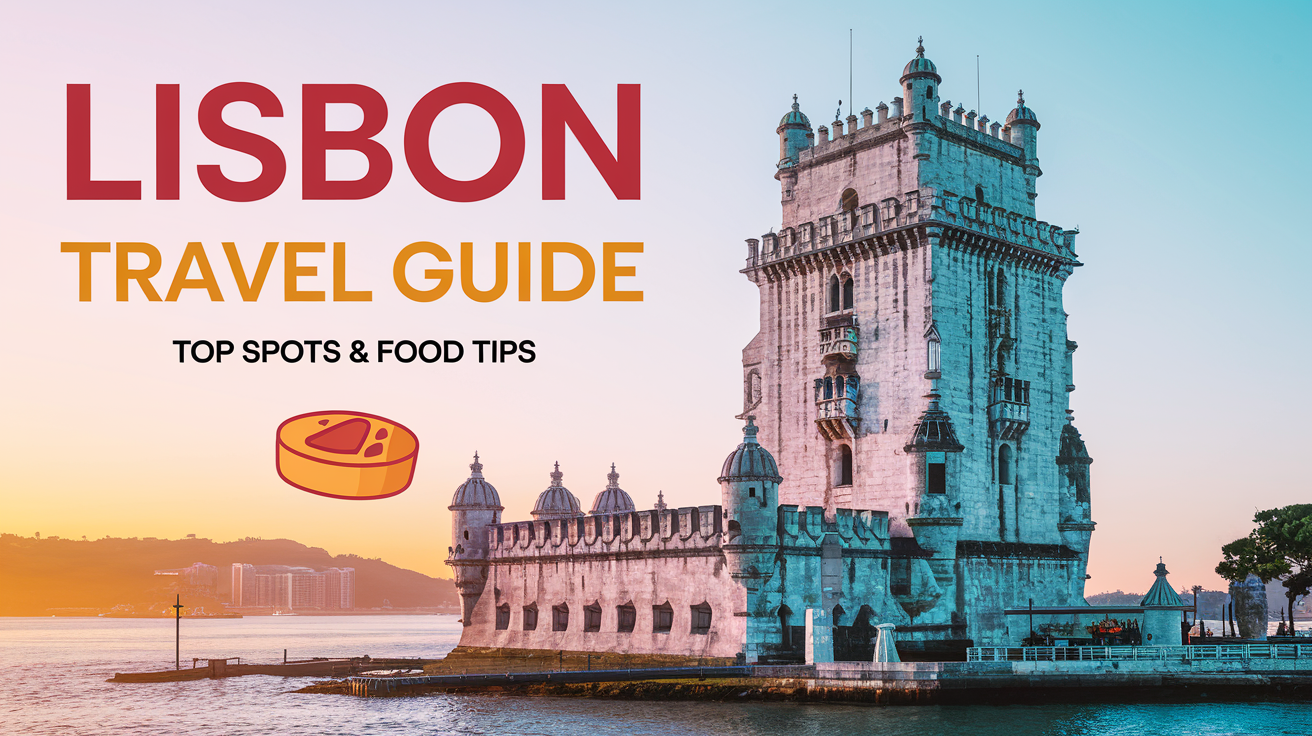
Embark on an unforgettable journey through Lisbon with our updated guide to the city’s top 20 must-visit attractions. From historic landmarks steeped in maritime legacy to vibrant modern districts and charming old-world neighborhoods, this complete guide offers essential details, practical tips, and culinary recommendations to enhance your exploration of Portugal’s captivating capital.

1. Belém Tower (Torre de Belém)
Description: An iconic fortified tower standing majestically on the Tagus River, the Belém Tower is a UNESCO World Heritage site and a symbol of Portugal’s Age of Discoveries.
History: Built between 1514 and 1519, this Manueline masterpiece served as a ceremonial gateway to Lisbon and a fortress to defend the city. It played a significant role in maritime expeditions and in the defense of the Tagus estuary.
Google Maps: Belém Tower (Torre de Belém) Location
Official Website: Património Cultural
Tickets: Book Tickets – Paid entry, combination tickets with Jerónimos Monastery may be available.
Opening Hours: Check official website for current hours, typically closed Mondays.
Travel Options: Tram 15E from Praça da Figueira, numerous bus routes, or a pleasant walk from Cais do Sodré train station.
Nearby Restaurants:
– Pastéis de Belém: famous for its original, warm custard tarts (pastéis de nata) dusted with cinnamon and powdered sugar.
– Restaurante Elefante: a local favorite known for traditional Portuguese seafood and grilled dishes.
Tips: Arrive early in the morning, especially during peak season, to avoid long queues and enjoy a more serene experience.

2. Jerónimos Monastery (Mosteiro dos Jerónimos)
Description: A magnificent monastery and UNESCO World Heritage site in Belém, renowned for its intricate Manueline architecture and its profound connection to Portugal’s maritime history.
History: Commissioned by King Manuel I in 1496 to commemorate Vasco da Gama’s return from India, its construction began in 1501. It served as a spiritual haven for sailors and a symbol of Portugal’s global power. Vasco da Gama’s tomb lies within the monastery’s church.
Google Maps: Jerónimos Monastery (Mosteiro dos Jerónimos) Location
Official Website: Património Cultural
Tickets: Book Tickets – Free entry to the church, paid entry for the cloisters and refectory. Combination tickets with Belém Tower are often available.
Opening Hours: Check official website for current hours, typically closed Mondays.
Travel Options: Tram 15E from Praça da Figueira, several bus lines, or a short walk from Belém train station.
Nearby Restaurants:
– Pastéis de Belém: located just steps away, perfect for experiencing the original pastel de nata recipe.
– Restaurante O Frade: celebrated for its authentic Alentejo cuisine and a cozy, traditional ambiance.
Tips: While the church is free to enter, the cloisters are a must-see for their stunning detail and historical significance. Plan at least 1-2 hours for a thorough visit.

3. Castelo de São Jorge (São Jorge Castle)
Description: Perched atop Lisbon’s highest hill, São Jorge Castle offers breathtaking panoramic views of the city, the Tagus River, and beyond. It is one of Lisbon’s most iconic historical landmarks.
History: With origins dating back to Roman and Visigothic times, the castle was primarily developed by the Moors in the 10th century. It became a royal palace after the Christian Reconquista in 1147 and was extensively rebuilt following the 1755 earthquake.
Google Maps: Castelo de São Jorge (São Jorge Castle) Location
Official Website: Castelo de São Jorge
Tickets: Book Tickets – Paid entry.
Opening Hours: Check official website for current hours.
Travel Options: Walk uphill from Baixa, take tram 28E to Miradouro de Santa Luzia and walk, or use bus 737 directly to the castle entrance.
Nearby Restaurants:
– Chapitô à Mesa: offers fine dining with spectacular city views, located just below the castle.
– Restaurante Zambeze: specializes in Mozambican fusion cuisine with a terrace offering sweeping views over Alfama and the river.
Tips: Wear comfortable shoes as there are many cobbled paths and stairs. Visit near sunset for magical views of the city lights.

4. Alfama District
Description: Lisbon’s oldest and one of its most charming districts, Alfama is a labyrinth of narrow, winding streets, historic houses, and hidden squares, famous for its authentic atmosphere and Fado music.
History: Alfama retains much of its Moorish heritage, having largely survived the 1755 earthquake intact. It was historically a neighborhood for fishermen and the poor, and its medieval layout has been preserved, offering a glimpse into old Lisbon.
Google Maps: Alfama District Location
Tickets: Free entry – No ticket required to explore the district. Specific attractions within may charge an entry fee.
Opening Hours: Always open.
Travel Options: Best explored on foot. Take tram 28E into the district or walk from Baixa. Be prepared for hills.
Nearby Restaurants:
– Clube de Fado: an iconic Fado house offering traditional Portuguese cuisine alongside authentic live Fado performances.
– Pitéu da Graça: a cozy, local spot known for its honest Portuguese home cooking and friendly atmosphere.
Tips: Get lost in the alleys and embrace the unexpected discoveries. Look out for the numerous ‘miradouros’ (viewpoints) for stunning vistas.

5. Praça do Comércio (Commerce Square)
Description: Lisbon’s grandest and most iconic square, opening directly onto the Tagus River. It’s a symbolic gateway to the city, surrounded by elegant arcaded buildings.
History: Before the 1755 earthquake, this site was home to the royal Ribeira Palace. Following the earthquake, the square was rebuilt as part of the Marquis of Pombal’s vision for a new, orderly Lisbon, becoming a major commercial and administrative hub.
Google Maps: Praça do Comércio (Commerce Square) Location
Tickets: Free entry – No ticket required to visit the square.
Opening Hours: Always open.
Travel Options: Metro (Terreiro do Paço station, Blue Line), numerous bus lines, or a short walk from Baixa-Chiado.
Nearby Restaurants:
– Can the Can: a stylish restaurant focusing on Portuguese canned fish, offering creative and sophisticated dishes.
– Martinho da Arcada: Lisbon’s oldest café, frequented by Fernando Pessoa, serving traditional Portuguese fare in a historic setting.
Tips: Walk under the Arco da Rua Augusta for a grand entrance to the Baixa district, and consider taking a river cruise departing from the nearby Cais das Colunas.

6. Travel Tips: General Lisbon Advice
Description: Essential advice for navigating Lisbon, encompassing transportation, safety, and local etiquette, designed to enhance your overall travel experience.
History: N/A
Google Maps: Travel Tips: General Lisbon Advice Location
Tickets: Free entry – Information on general travel to Lisbon.
Opening Hours: Always relevant.
Travel Options: Utilize Lisbon’s extensive public transport network, including metro, trams (especially the historic 28E), and buses, which are efficient and cover most areas.
Nearby Restaurants:
– A Cevicheria: renowned for its creative ceviche dishes and a unique, stylish atmosphere.
– Time Out Market Lisboa: a diverse food hall featuring top local chefs and restaurants, perfect for sampling various Portuguese delicacies.
Tips: Consider purchasing a Viva Viagem card (a rechargeable public transport card) upon arrival for easy and cost-effective access to all modes of public transportation.
7. LX Factory
Description: A vibrant industrial area transformed into a creative island, LX Factory is a hub of trendy shops, unique restaurants, art studios, and cultural spaces under the 25 de Abril Bridge.
History: Once a historic industrial complex, LX Factory has been revitalized in recent decades, preserving its industrial architecture while injecting a bohemian and artistic spirit. It has become a symbol of Lisbon’s urban regeneration.
Google Maps: LX Factory Location
Official Website: LX Factory
Tickets: Free entry – No entry fee to the complex; individual businesses have their own pricing.
Opening Hours: Check official website for specific business hours, generally open late.
Travel Options: Tram 15E from Praça da Figueira, numerous bus lines, or a short walk from Alcântara-Mar train station.
Nearby Restaurants:
– Cantina LX: offers rustic Portuguese cuisine in a large, industrial-chic setting, popular for lunch and dinner.
– Rio Maravilha: a stylish rooftop bar and restaurant providing stunning views of the Tagus River and Christ the King statue, serving creative cocktails and Portuguese dishes.
Tips: Explore the diverse range of independent shops, art galleries, and street art. It’s particularly lively in the evenings and on weekends.

8. Bairro Alto District
Description: A historic and picturesque district, Bairro Alto is famous for its vibrant nightlife, traditional Fado houses, and charming narrow streets that transform into bustling social hubs after dark.
History: Established in the late 16th century with a distinctive grid-like layout, Bairro Alto was historically home to artisans and liberal professionals. It evolved into Lisbon’s bohemian heart, attracting artists, writers, and musicians, and later becoming the center of the city’s nightlife.
Google Maps: Bairro Alto District Location
Tickets: Free entry – No ticket required to explore the district. Specific venues may have entry fees.
Opening Hours: Always open, but most vibrant from late evening until late night.
Travel Options: Take the Santa Justa Lift or Ascensor da Glória/Bica funiculars, walk uphill from Baixa-Chiado, or use Metro (Baixa-Chiado station).
Nearby Restaurants:
– O Faia: a distinguished Fado restaurant renowned for its excellent Portuguese cuisine and high-quality Fado performances.
– Atalho Real: a popular steakhouse with a beautiful garden terrace, offering a relaxed dining experience.
Tips: Experience the unique atmosphere by grabbing a drink from one of the many small bars and enjoying it outdoors in the bustling streets. Be mindful of pickpockets in crowded areas.
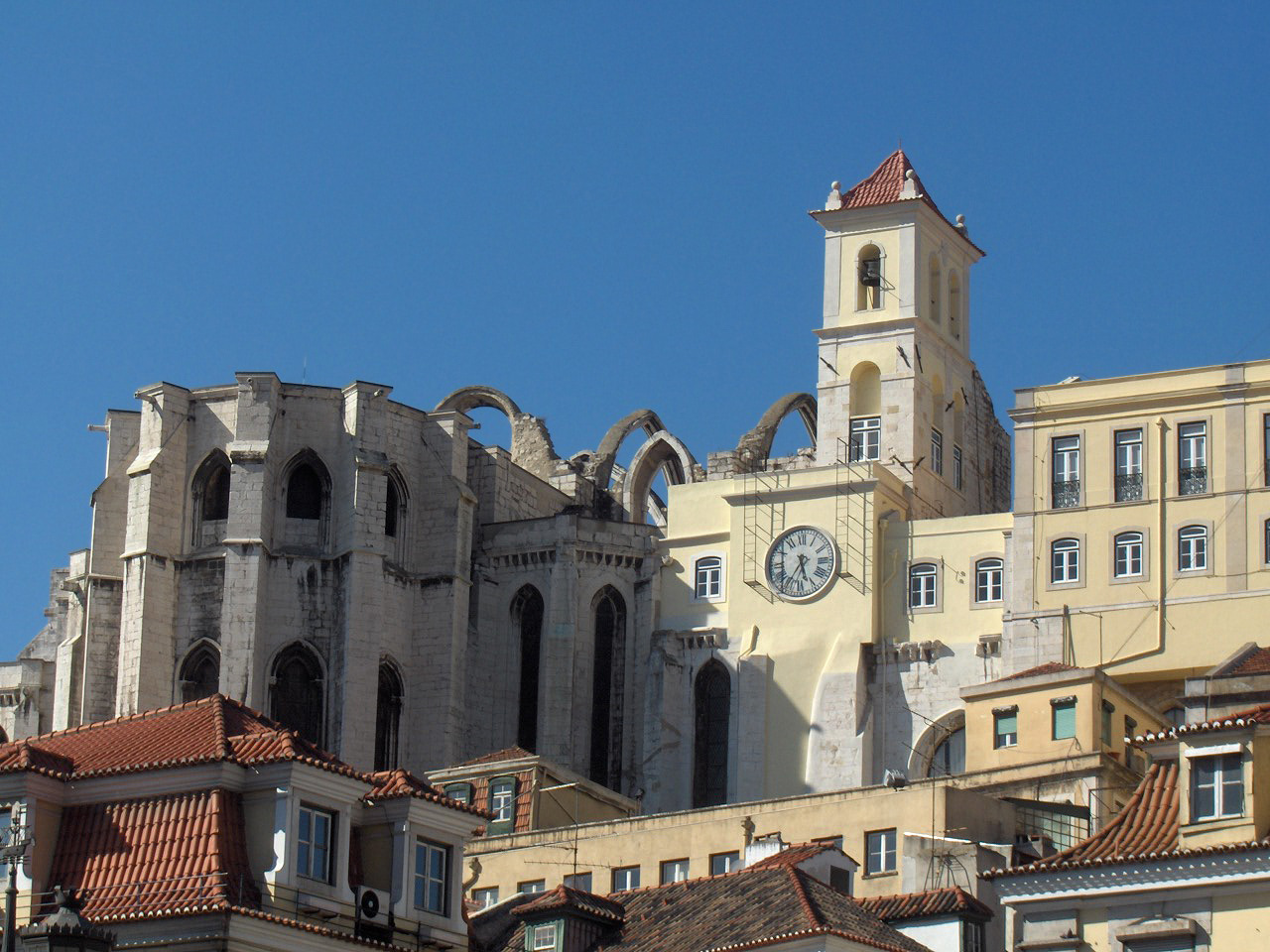
9. Carmo Convent (Convento do Carmo)
Description: The striking skeletal ruins of a Gothic church, Carmo Convent stands as a poignant reminder of Lisbon’s devastating 1755 earthquake. It now houses an archaeological museum.
History: Founded in 1389 by Nuno Álvares Pereira, the convent was once Lisbon’s largest church. It was almost completely destroyed by the 1755 earthquake, and its roofless nave was left as a memorial, creating its unique open-air appearance.
Google Maps: Carmo Convent (Convento do Carmo) Location
Official Website: Museu Arqueológico do Carmo
Tickets: Book Tickets – Paid entry for the museum and ruins.
Opening Hours: Check official website for current hours, typically closed Sundays and holidays.
Travel Options: Located near the top of the Santa Justa Lift, a short walk from Chiado or Rossio metro stations, or via the Ascensor da Glória funicular.
Nearby Restaurants:
– Taberna da Rua das Flores: a popular spot known for traditional Portuguese petiscos (tapas) in a lively, no-reservations setting.
– Sacramento do Chiado: offers refined Portuguese cuisine in an elegant, historic building near the convent.
Tips: Visit the archaeological museum inside for a deeper understanding of Lisbon’s history. The ruins are particularly atmospheric at dusk.

10. Santa Justa Lift (Elevador de Santa Justa)
Description: An ornate, neo-Gothic iron elevator providing a functional and scenic connection between the Baixa district and the higher Carmo Square. It offers panoramic views of central Lisbon.
History: Designed by Raoul Mesnier du Ponsard, an apprentice of Gustave Eiffel, the lift was inaugurated in 1902. Originally steam-powered, it was electrified in 1907. It’s a prime example of cast-iron architecture from the Belle Époque era.
Google Maps: Santa Justa Lift (Elevador de Santa Justa) Location
Official Website: Carris (Public Transport)
Tickets: Check ticket details – Paid for a round-trip ticket; included with the Viva Viagem card (daily passes) or Lisbon Card.
Opening Hours: Check official website for current operating hours, which can vary.
Travel Options: Located in the heart of Baixa, easily accessible by foot from Rossio or Praça do Comércio. Can also be accessed from the top (Carmo Square) without using the lift itself.
Nearby Restaurants:
– Restaurante Casa do Alentejo: a unique Alentejo restaurant set within a stunning Moorish-style palace, serving regional specialties.
– Sea Me – Peixaria Moderna: a contemporary seafood restaurant offering fresh fish and shellfish with a modern twist.
Tips: To avoid queues for the lift, access the viewpoint platform for free by walking through Carmo Square (near Carmo Convent) and crossing the bridge.
11. National Tile Museum (Museu Nacional do Azulejo)
Description: Dedicated to the art of azulejo (Portuguese ceramic tiles), this museum showcases a vast collection ranging from the 15th century to contemporary works, housed in the beautiful former Madre de Deus Convent.
History: Founded in 1965, the museum has been located in the Madre de Deus Convent since 1980. The convent itself dates back to 1509, featuring stunning Baroque decorations, including gilded chapels and intricate tile panels, providing a rich context for the exhibits.
Google Maps: National Tile Museum (Museu Nacional do Azulejo) Location
Official Website: Museu Nacional do Azulejo
Tickets: Book Tickets – Paid entry. Free on the first Sunday of each month for residents.
Opening Hours: Check official website for current hours, typically closed Mondays.
Travel Options: Bus routes 718, 742, 759, 794. It’s a bit further east from the city center, so consider a taxi or ride-share for convenience.
Nearby Restaurants:
– Restaurante O Palácio: a charming, traditional Portuguese restaurant nearby, known for its hearty daily specials.
– A Valenciana: famous across Lisbon for its succulent frango assado (roast chicken) and casual atmosphere.
Tips: Don’t miss the impressive ‘Panorama of Lisbon’ tile panel, a 23-meter-long masterpiece depicting the city before the 1755 earthquake. Also, explore the convent’s beautiful church.
12. Travel Tips: Getting Around & Local Customs
Description: Practical advice on navigating Lisbon’s diverse transport system, understanding local customs, and maximizing your sightseeing, helping you immerse yourself fully in the city’s culture.
History: N/A
Google Maps: Travel Tips: Getting Around & Local Customs Location
Tickets: Free entry – Information on general travel to Lisbon.
Opening Hours: Always relevant.
Travel Options: Lisbon is best explored using a combination of walking for shorter distances (be prepared for hills!), and public transport (metro, trams, buses, funiculars) for longer journeys or to conserve energy.
Nearby Restaurants:
– Restaurante O Barrigas: a beloved local spot offering hearty, traditional Portuguese meals at affordable prices, popular with residents.
– Da Noi – Italian Artisanal Gelateria: known for its authentic Italian ice cream and sorbets, perfect for a refreshing break.
Tips: Embrace the Portuguese custom of a late dinner; many restaurants don’t get busy until after 8 PM. Also, a ‘bica’ (espresso) is a quintessential part of local coffee culture.
13. Oceanário de Lisboa (Lisbon Oceanarium)
Description: One of the largest indoor aquariums in Europe, the Lisbon Oceanarium is a captivating experience, home to thousands of marine creatures in a vast central tank and four distinct habitat exhibits.
History: Opened as the flagship pavilion for Expo ’98, themed ‘The Oceans, a Heritage for the Future’. Its design by Peter Chermayeff created a unique ‘ocean in the center’ concept, and it has since become a major conservation and educational institution.
Google Maps: Oceanário de Lisboa (Lisbon Oceanarium) Location
Official Website: Oceanário de Lisboa
Tickets: Book Tickets – Paid entry. Timed entry slots are often recommended, especially during peak season.
Opening Hours: Check official website for current hours, typically open every day.
Travel Options: Metro (Oriente station, Red Line), numerous bus lines, or a scenic walk through Parque das Nações.
Nearby Restaurants:
– L’Origine by Fábio Pombo: offers a refined Italian dining experience within the Parque das Nações area.
– Honest Greens: a popular choice for healthy and fresh meals, including salads, bowls, and grilled options.
Tips: Book your tickets online in advance to secure your preferred entry time and potentially save on waiting time, especially if visiting with children.
14. Parque das Nações (Park of Nations)
Description: A modern, vibrant waterfront district built on the site of Expo ’98. It boasts contemporary architecture, extensive green spaces, a marina, cultural venues, and dining options.
History: This area was once an industrial wasteland. For the 1998 Lisbon World Exposition, it underwent a massive revitalization project, transforming into a futuristic and sustainable urban space focused on the theme of oceans and global connections.
Google Maps: Parque das Nações (Park of Nations) Location
Tickets: Free entry – No entry fee to the park. Individual attractions within may charge fees.
Opening Hours: Always open.
Travel Options: Metro (Oriente station, Red Line), numerous bus lines, or a pleasant walk/cycle along the riverfront.
Nearby Restaurants:
– Capricciosa: a popular choice for delicious pizzas and Italian cuisine with pleasant riverfront views.
– D’Bacalhau: a restaurant specializing in diverse and creative dishes featuring Portugal’s beloved codfish (bacalhau).
Tips: Consider taking a ride on the Telecabine Lisboa (cable car) for stunning aerial views of the park, the Tagus River, and the Vasco da Gama Bridge.
15. Fado Museum (Museu do Fado)
Description: Dedicated to Fado, Portugal’s soulful urban folk music genre and a UNESCO Intangible Cultural Heritage of Humanity, the museum explores its history, instruments, and iconic performers.
History: Opened in 1998, the museum serves as a center for the preservation and promotion of Fado. It traces the origins and evolution of this unique musical expression, from its humble beginnings in Lisbon’s working-class neighborhoods to its global recognition.
Google Maps: Fado Museum (Museu do Fado) Location
Official Website: Museu do Fado
Tickets: Book Tickets – Paid entry.
Opening Hours: Check official website for current hours, typically closed Mondays.
Travel Options: Metro (Santa Apolónia station, Blue Line), numerous bus lines, or a short walk from the Alfama district.
Nearby Restaurants:
– Parreirinha de Alfama: an iconic and historic Fado house in Alfama, known for its traditional Fado and genuine atmosphere.
– A Tendinha de Alfama: a small, authentic Portuguese restaurant offering local dishes in a cozy, unpretentious setting.
Tips: After visiting the museum, immerse yourself in the live experience by attending a Fado show in one of the many Fado houses in nearby Alfama or Mouraria.
16. Calouste Gulbenkian Museum
Description: Home to one of the world’s finest private art collections, the Calouste Gulbenkian Museum is split into two distinct parts: the Founder’s Collection, spanning ancient to modern art, and the Modern Collection, focusing on Portuguese art.
History: The museum and foundation were established in 1956 according to the will of Armenian oil magnate and philanthropist Calouste Gulbenkian. His personal collection, amassed over decades, forms the core of the Founder’s Collection.
Google Maps: Calouste Gulbenkian Museum Location
Official Website: Calouste Gulbenkian Foundation
Tickets: Book Tickets – Paid entry for the permanent collections; some temporary exhibitions may have separate fees. Free entry on Sundays after 2 PM.
Opening Hours: Check official website for current hours, typically closed Tuesdays.
Travel Options: Metro (São Sebastião station, Blue/Red Lines or Praça de Espanha station, Blue Line), numerous bus lines.
Nearby Restaurants:
– Restaurante Torel: a refined restaurant located within the beautiful gardens of the Gulbenkian, offering modern Portuguese cuisine.
– Fares: a popular Lebanese restaurant offering authentic Middle Eastern dishes in a casual setting nearby.
Tips: Don’t just visit the museum; take time to stroll through the surrounding beautiful, tranquil gardens, which are an attraction in themselves and offer a peaceful escape.
17. Lisbon Cathedral (Sé de Lisboa)
Description: The oldest church in Lisbon, the Sé de Lisboa is an imposing Romanesque cathedral that has withstood earthquakes and witnessed centuries of the city’s history. Its robust architecture stands as a testament to its resilience.
History: Built in 1147 after the reconquest of Lisbon from the Moors, on the site of a former mosque. It has undergone numerous renovations and additions over the centuries, incorporating Romanesque, Gothic, and Baroque elements while retaining its fortified appearance.
Google Maps: Lisbon Cathedral (Sé de Lisboa) Location
Tickets: Check ticket details – Free entry to the main church. Paid entry for the cloisters and treasury.
Opening Hours: Check official signage or local tourism websites for current hours, as they may vary for different sections.
Travel Options: Tram 28E stops nearby, or a short walk from Baixa and Praça do Comércio.
Nearby Restaurants:
– Pois, Café: a charming, cozy cafe known for its German-Portuguese fusion dishes and relaxed atmosphere.
– Petiscaria da Sé: a local spot offering a variety of Portuguese petiscos (tapas) and small plates in a traditional setting.
Tips: Venture into the cloisters to explore archaeological excavations revealing Roman and Moorish foundations beneath the Gothic structure.
18. Travel Tips: Best Times to Visit & Safety
Description: Advice on seasonal travel, avoiding crowds, and ensuring a safe and enjoyable trip to Lisbon, covering common concerns for visitors.
History: N/A
Google Maps: Travel Tips: Best Times to Visit & Safety Location
Tickets: Free entry – Information on general travel to Lisbon.
Opening Hours: Always relevant.
Travel Options: Lisbon is well-served by public transport; consider using ride-sharing apps (Uber, Bolt) for convenience, especially late at night, or if navigating hills with heavy bags.
Nearby Restaurants:
– Gambino Lisboa: authentic Italian pizza and pasta in a vibrant setting, known for its quality ingredients.
– O Maganinho: a simple, traditional Portuguese eatery popular with locals for its excellent grilled fish and no-frills ambiance.
Tips: The shoulder seasons (April-May and September-October) offer pleasant weather and fewer crowds. Always be aware of your surroundings and belongings, especially on crowded trams and tourist hotspots, to guard against pickpockets.
19. Padrão dos Descobrimentos (Monument to the Discoveries)
Description: An imposing monument on the Tagus River, celebrating Portugal’s Age of Discovery and honoring the explorers, navigators, and other figures who played a crucial role in shaping world history.
History: Originally built in 1940 as a temporary structure for the Portuguese World Exhibition, it was rebuilt in permanent form in 1960 to commemorate the 500th anniversary of the death of Henry the Navigator, the central figure on its prow.
Google Maps: Padrão dos Descobrimentos (Monument to the Discoveries) Location
Official Website: Padrão dos Descobrimentos
Tickets: Book Tickets – Paid entry for the exhibition and viewpoint at the top.
Opening Hours: Check official website for current hours, seasonal variations apply.
Travel Options: Tram 15E from Praça da Figueira, numerous bus routes, or a short walk from Belém train station. Located very close to Belém Tower.
Nearby Restaurants:
– Cervejaria Ramiro: though a short taxi ride away, it’s famous for its fresh seafood and lively atmosphere, a must-try for seafood lovers.
– O Pedrouços: a traditional Portuguese restaurant specializing in fresh fish and grilled meats, popular with locals.
Tips: Take the lift to the top of the monument for spectacular panoramic views of the Belém district, the Jerónimos Monastery, the Tagus River, and the 25 de Abril Bridge.
20. Eduardo VII Park
Description: A large, formally landscaped public park offering impressive panoramic views over downtown Lisbon, stretching all the way to the Tagus River. It’s an ideal spot for relaxation and photography.
History: Named after King Edward VII of the United Kingdom, who visited Lisbon in 1903 to reaffirm the Anglo-Portuguese alliance. The park was designed to connect the city’s heart with the more residential areas to the north.
Google Maps: Eduardo VII Park Location
Tickets: Free entry – No entry fee for the park itself. Some events or attractions within may have fees.
Opening Hours: Always open.
Travel Options: Metro (Parque or Marquês de Pombal stations, Blue/Yellow Lines) are at its base. Numerous bus lines also serve the area.
Nearby Restaurants:
– Restaurante Eleven: a Michelin-starred restaurant located at the top of the park, offering fine dining with panoramic city views.
– Varanda: situated in the luxurious Four Seasons Hotel Ritz adjacent to the park, known for its elegant buffet and à la carte Portuguese cuisine.
Tips: Walk to the highest point of the park, near the flagpole, to capture the iconic symmetrical photo of the park’s hedges framing the Baixa district and the Tagus River.
AI Travel Tools