
Frankfurt, a dynamic metropolis blending historic charm with modern architecture, offers a rich array of attractions for every traveler. From ancient Roman roots to a vibrant cultural scene, this guide to Frankfurt’s top 20 must-visit sights ensures you experience the best of the city, complete with practical tips for an unforgettable journey.

1. Römerberg (Old Town Center)
Description: The historic heart of Frankfurt, featuring the iconic Römer building complex with its distinctive stepped gables, charming reconstructed half-timbered houses, and the Gerechtigkeitsbrunnen (Fountain of Justice). It’s a central hub for markets, festivals, and historical events.
History: The Römer has served as Frankfurt’s city hall for over 600 years. The square and its surrounding buildings were largely destroyed during World War II but meticulously reconstructed to their medieval appearance, symbolizing the city’s resilience.
Google Maps: Römerberg (Old Town Center) Location
Official Website: Frankfurt Tourism
Tickets: Free entry – The square is publicly accessible at all times.
Opening Hours: Always open
Travel Options: U-Bahn (Dom/Römer station), S-Bahn (Hauptwache station, short walk), numerous bus lines, easily walkable from the city center.
Nearby Restaurants:
– Zum Tannenbaum: Traditional German cuisine and local Apfelwein (cider) in a historic setting.
– Metzgerstübchen: Cozy restaurant known for sausages and classic Frankfurt dishes.
Tips: Visit early in the morning for fewer crowds and better photo opportunities. Don’t miss the details on the Römer’s facade.

2. St. Bartholomew’s Cathedral (Frankfurt Cathedral)
Description: A stunning Gothic church and the largest religious building in Frankfurt, historically significant as the election and coronation site for Holy Roman Emperors for centuries. Its towering spire offers panoramic city views.
History: Construction began in the 13th century, with additions and renovations over centuries. It served as the imperial election church from 1356 and the coronation church from 1562 to 1792. Badly damaged in WWII, it was meticulously rebuilt.
Google Maps: St. Bartholomew’s Cathedral (Frankfurt Cathedral) Location
Official Website: Frankfurt Cathedral Official Website
Tickets: Free entry – Entry to the cathedral is free; a small fee applies to climb the tower.
Opening Hours: Varies, typically 9:00 AM – 6:00 PM (check website for current times and tower access).
Travel Options: U-Bahn (Dom/Römer station), S-Bahn (Hauptwache station, short walk), numerous bus lines, easily walkable from Römerberg.
Nearby Restaurants:
– Goldene Waage: Historic restaurant offering traditional Frankfurt cuisine right on the Römerberg.
– Salzkammer: Austrian and German dishes in a refined setting close to the cathedral.
Tips: Climb the 328 steps to the top of the tower for breathtaking views of the city skyline.
3. Main Tower
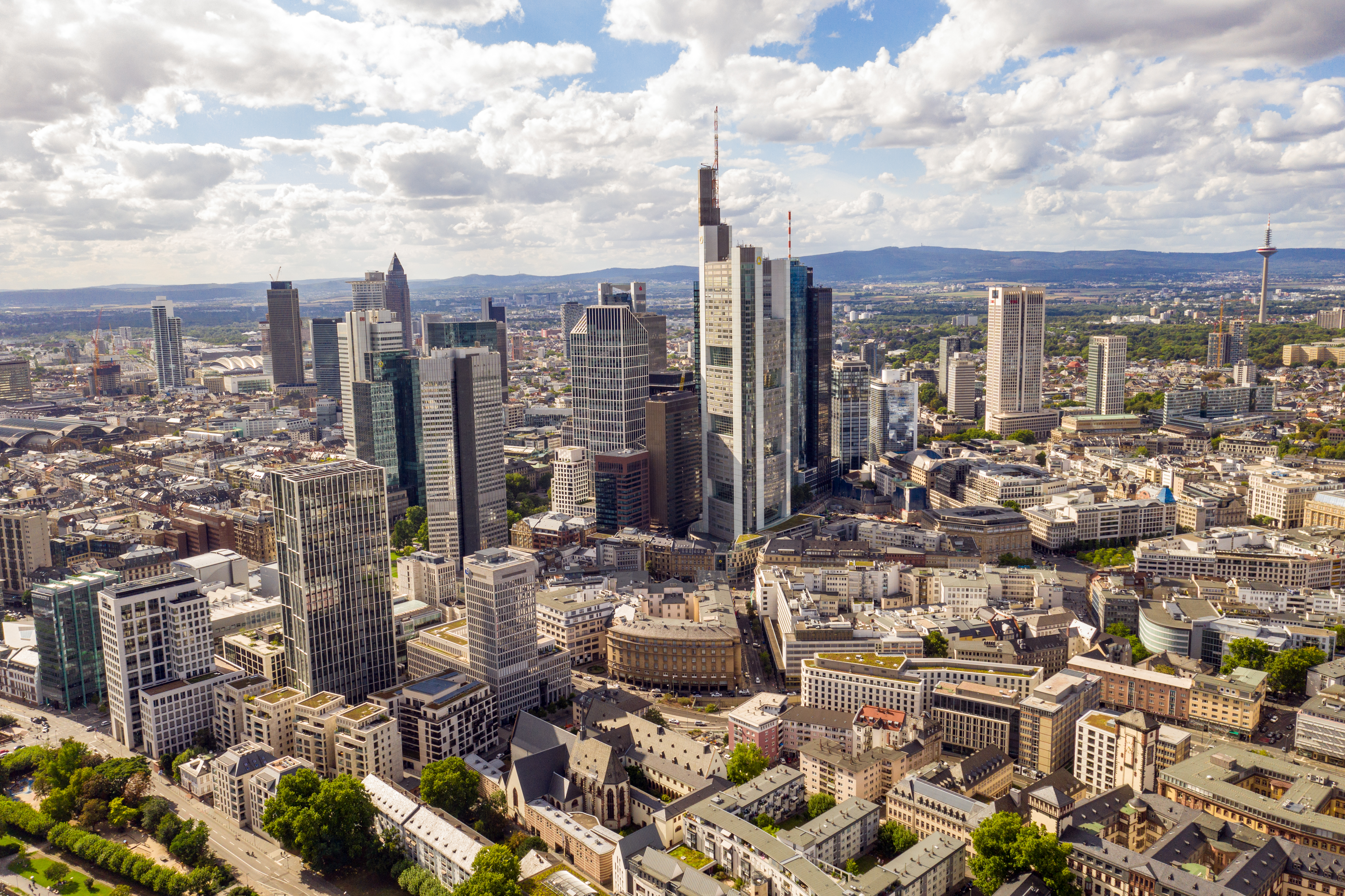
Description: Frankfurt’s only skyscraper open to the public for observation, offering unparalleled 360-degree views of the city, the Main River, and the surrounding region from its 200-meter-high viewing platform.
History: Completed in 1999, the Main Tower is one of Frankfurt’s most distinctive modern landmarks. It’s a twin-tower skyscraper, with one part cylindrical and the other cuboid, standing prominently in the city’s financial district.
Google Maps: Main Tower Location
Official Website: Main Tower Website
Tickets: Book Tickets – Ticket required for observation deck access.
Opening Hours: Typically 10:00 AM – 7:00 PM (winter) / 10:00 AM – 9:00 PM (summer). Check official website for current hours.
Travel Options: U-Bahn/S-Bahn (Willy-Brandt-Platz or Taunusanlage stations), various tram and bus lines. Centrally located and walkable.
Nearby Restaurants:
– Restaurant Main Tower: Fine dining with panoramic views on the 53rd floor of the tower itself.
– Iwase: High-quality Japanese cuisine, including sushi and sashimi, a short walk away.
Tips: Visit around sunset for stunning views as the city lights come alive. Book tickets online in advance to save time.

4. Palmengarten
Description: One of Germany’s largest and most beautiful botanical gardens, showcasing a vast collection of plants from around the world across its 22 hectares. Features include impressive tropical houses, a historic palm house, and various themed gardens.
History: Opened in 1871, the Palmengarten was created through public initiative and quickly became a popular recreational area. It has expanded and developed over the decades, maintaining its status as a significant botanical collection and green oasis.
Google Maps: Palmengarten Location
Official Website: Palmengarten Official Website
Tickets: Check ticket details – Admission fee applies.
Opening Hours: Varies seasonally, typically 9:00 AM – 6:00 PM (March-October) / 9:00 AM – 4:00 PM (November-February). Check official website.
Travel Options: U-Bahn (Bockenheimer Warte station), tram (Palmengarten station), bus lines.
Nearby Restaurants:
– Lafleur: Michelin-starred restaurant located within the Palmengarten, known for its vegan-friendly fine dining.
– Frankfurter Botschaft: Modern German cuisine with a focus on regional ingredients, a short walk from the garden.
Tips: Allow several hours to explore the vast grounds. Don’t miss the various tropical greenhouses, especially during colder months.

5. Goethe House and Museum
Description: The birthplace and childhood home of Johann Wolfgang von Goethe, Germany’s most famous writer and polymath. The house has been authentically restored to reflect 18th-century bourgeois life, while the adjacent museum displays artworks from Goethe’s era.
History: Johann Wolfgang von Goethe was born here in 1749. The original house was destroyed in WWII but meticulously reconstructed between 1947 and 1951, using original building plans and furnishings where possible, preserving its historical essence.
Google Maps: Goethe House and Museum Location
Official Website: Goethe House Official Website
Tickets: Check ticket details – Admission fee applies, combined ticket for house and museum.
Opening Hours: Typically 10:00 AM – 6:00 PM (Tues-Sun). Check official website for current hours.
Travel Options: U-Bahn/S-Bahn (Hauptwache station or Willy-Brandt-Platz), tram lines. Centrally located and easily walkable.
Nearby Restaurants:
– Zum Storch: Traditional German restaurant serving classic dishes in a historic setting.
– Die Schwarze Küche: Modern European cuisine with a changing menu, a short walk from Goethe House.
Tips: Take your time to explore the different rooms and imagine life in the 18th century. The adjacent museum provides important context.
6. Travel Tips:
Description: Practical advice for navigating Frankfurt, including public transport, safety, and general etiquette, to enhance your visit to the city. Understanding these aspects can greatly improve your travel experience.
History: These travel tips are compiled from common needs and insights of visitors to Frankfurt, aiming to make your stay smoother and more enjoyable.
Google Maps: Travel Tips: Location
Tickets: Free – General advice for visitors.
Opening Hours: Always relevant.
Travel Options: Utilize Frankfurt’s efficient public transport system (RMV) with options like day tickets or the Frankfurt Card for unlimited travel and discounts.
Nearby Restaurants:
– Your hotel’s neighborhood eateries: Explore local, less touristy places for authentic experiences.
– Kleinmarkthalle: Great for diverse quick bites and local delicacies during the day.
Tips: Consider purchasing a Frankfurt Card for unlimited public transport and discounts on museums and attractions. Always carry some cash, though card payments are widely accepted. Learn a few basic German phrases like ‘Bitte’ (please) and ‘Danke’ (thank you).

7. Frankfurt Zoo (Zoo Frankfurt)
Description: One of Germany’s oldest zoos, home to over 4,500 animals from around 450 species, set in an urban environment. It focuses on conservation and education, offering various animal habitats and interactive exhibits for all ages.
History: Founded in 1858, Frankfurt Zoo is the second oldest zoo in Germany. It has continually evolved, adapting to modern zoological standards focusing on species-appropriate enclosures and active participation in international conservation efforts.
Google Maps: Frankfurt Zoo (Zoo Frankfurt) Location
Official Website: Frankfurt Zoo Official Website
Tickets: Check ticket details – Admission fee applies.
Opening Hours: Typically 9:00 AM – 5:00 PM (winter) / 9:00 AM – 7:00 PM (summer). Check official website for current hours.
Travel Options: U-Bahn (Zoo station), tram (Zoo station), bus lines. Easily accessible from the city center.
Nearby Restaurants:
– Restaurant Ukerebue: African cuisine with a focus on fresh ingredients, located near the zoo entrance.
– Café im Zoo: Casual dining within the zoo, offering snacks, drinks, and light meals.
Tips: Check the daily feeding times and special events schedule upon arrival. Wear comfortable shoes as there’s a lot of walking involved.

8. Senckenberg Natural History Museum
Description: Germany’s second-largest natural history museum, famous for its impressive collection of dinosaur skeletons, including a complete Tyrannosaurus Rex. It offers comprehensive exhibits on evolution, biodiversity, and geology.
History: Founded in 1817 by the Senckenberg Natural History Society, the museum has grown into a leading institution for scientific research and public education, continuously expanding its vast collections that chronicle the history of life on Earth.
Google Maps: Senckenberg Natural History Museum Location
Official Website: Senckenberg Museum Official Website
Tickets: Check ticket details – Admission fee applies.
Opening Hours: Typically 9:00 AM – 5:00 PM (Mon, Tue, Thu, Fri), 9:00 AM – 8:00 PM (Wed), 9:00 AM – 6:00 PM (Sat, Sun). Check official website.
Travel Options: U-Bahn (Bockenheimer Warte station), tram (Senckenberg Museum station), bus lines.
Nearby Restaurants:
– Restaurant Senckenberg: Modern European cuisine in a stylish setting, located within the museum.
– Café Senckenberg: Casual cafe within the museum for light meals and coffee.
Tips: Plan to spend at least 2-3 hours to fully appreciate the exhibits, especially the dinosaur hall. It’s particularly popular with families.
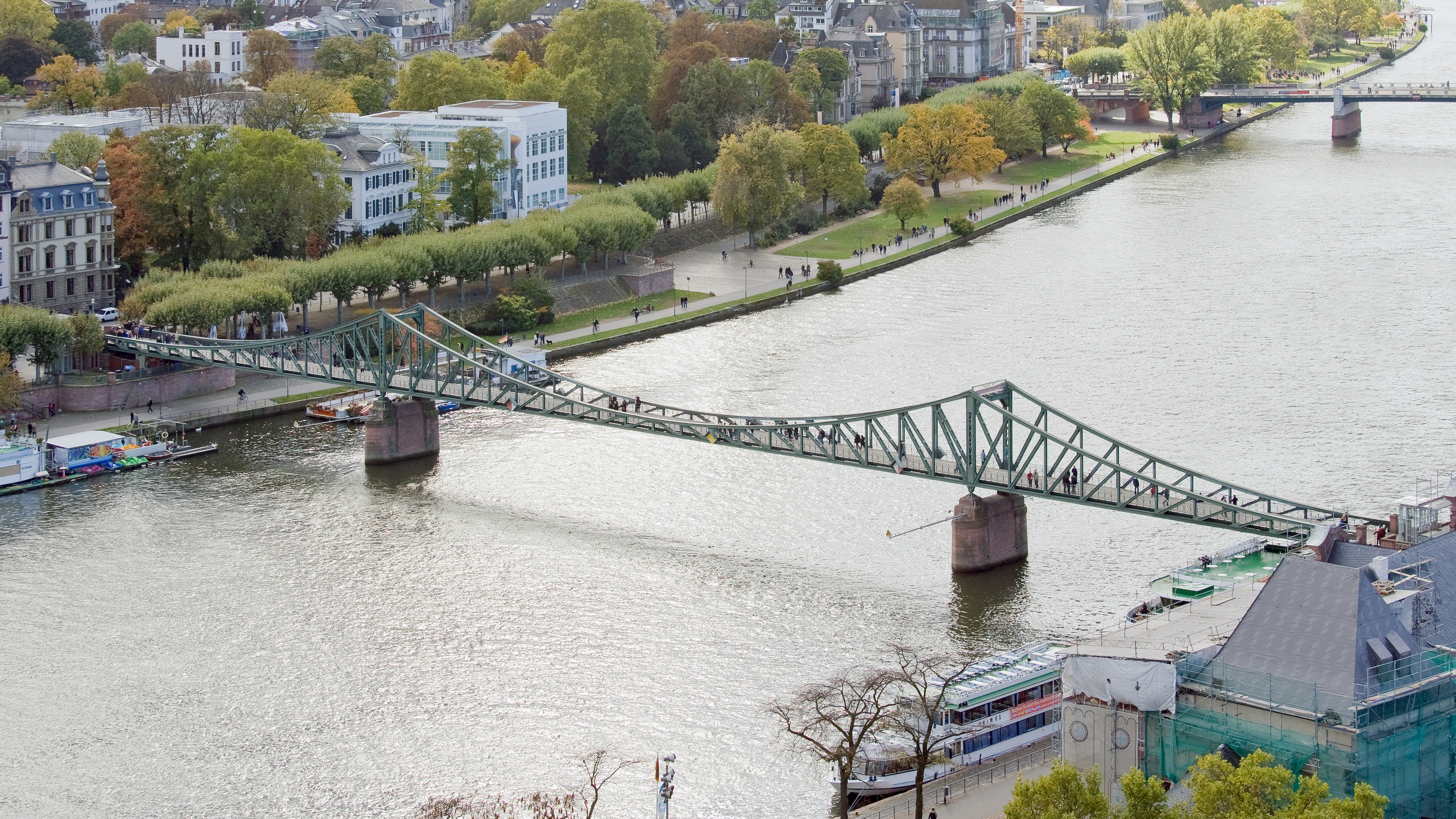
9. Eiserner Steg (Iron Footbridge)
Description: A charming pedestrian iron bridge spanning the Main River, connecting the city center with the Sachsenhausen district. It’s famous for its countless ‘love locks’ and offers picturesque views of the Frankfurt skyline.
History: The first Eiserner Steg was built in 1868, making it Frankfurt’s first pedestrian bridge. It has undergone several reconstructions and improvements, notably after being destroyed in WWII, but maintains its original character and iconic status.
Google Maps: Eiserner Steg (Iron Footbridge) Location
Official Website: Frankfurt Tourism
Tickets: Free entry – Public pedestrian bridge.
Opening Hours: Always open
Travel Options: Walkable from Römerberg (approx. 5 minutes). U-Bahn/S-Bahn (Dom/Römer or Willy-Brandt-Platz stations) are nearby.
Nearby Restaurants:
– Lorsbacher Thal: Historic Apfelwein restaurant in Sachsenhausen, known for traditional Hessian dishes and lively atmosphere.
– Adolf Wagner: Another renowned Apfelwein tavern in Sachsenhausen, famous for its regional specialties.
Tips: Visit in the evening to see the city skyline illuminated. Many visitors attach ‘love locks’ to the bridge as a romantic gesture.

10. Städel Museum
Description: One of Germany’s most important art museums, boasting a collection spanning 700 years of European art, from the early 14th century to contemporary works. Masterpieces by artists like Rembrandt, Vermeer, Monet, and Picasso are on display.
History: Founded in 1815 by the banker Johann Friedrich Städel, the museum is one of the oldest and most prestigious museum foundations in Germany. It has continually acquired significant works, building an impressive and comprehensive collection over two centuries.
Google Maps: Städel Museum Location
Official Website: Städel Museum Official Website
Tickets: Book Tickets – Admission fee applies; online booking recommended.
Opening Hours: Typically 10:00 AM – 6:00 PM (Tue, Wed, Sat, Sun), 10:00 AM – 9:00 PM (Thu, Fri). Check official website.
Travel Options: Tram (Städel Museum station), U-Bahn (Schweizer Platz station, short walk), bus lines. Located on the Museum Embankment.
Nearby Restaurants:
– Holbein’s Café & Restaurant: Upscale restaurant within the Städel Museum, offering modern cuisine perfect for a museum visit.
– Café Liebfrauenberg: Cozy cafe with excellent cakes and coffee, a short walk across the river.
Tips: Check for special exhibitions in advance, as they often require separate or timed tickets. Allow ample time, as the collection is extensive.
11. Sachsenhausen District
Description: A charming and historic district located on the south bank of the Main River, known for its traditional Apfelwein (cider) taverns, cobblestone streets, and unique blend of old and new architecture. It’s a lively area for dining and evening strolls.
History: Sachsenhausen was historically a separate village before being incorporated into Frankfurt. It largely escaped the WWII bombing that devastated the inner city, preserving many of its traditional half-timbered houses and narrow alleys.
Google Maps: Sachsenhausen District Location
Official Website: Frankfurt Tourism – Sachsenhausen
Tickets: Free entry – Public district to explore.
Opening Hours: Always open, with restaurants and shops having their own hours.
Travel Options: Tram (Frankfurt Lokalbahnhof or Schweizer Platz), U-Bahn (Schweizer Platz or Südbahnhof), bus lines, or simply walk across the Eiserner Steg from the city center.
Nearby Restaurants:
– Atschel: Quintessential Apfelwein tavern, known for its rustic ambiance, hearty Hessian food, and traditional cider.
– Dauth-Schneider: Another popular Apfelwein restaurant with a cozy beer garden and a wide selection of regional dishes.
Tips: Immerse yourself in the local culture by visiting an Apfelwein tavern and trying Handkäse mit Musik (local cheese with onions and oil/vinegar). Explore the narrow alleys away from the main streets.
12. Travel Tips:
Description: Advice on how to best experience Frankfurt’s rich cultural scene, including museums, arts, and local traditions beyond the main sights. Discover the city’s artistic and historical depth.
History: Cultural immersion tips guide visitors to deeper engagement with a destination, fostering a richer understanding of local heritage and contemporary life.
Google Maps: Travel Tips: Location
Tickets: Free – General advice for visitors.
Opening Hours: Relevant when planning cultural activities.
Travel Options: Many cultural institutions are concentrated along the Museum Embankment, easily accessible by tram or walking.
Nearby Restaurants:
– Restaurants on the Museum Embankment: Many offer pre-theatre menus or late-night options for cultural event-goers.
– Cafes in Bornheim: A district known for its relaxed atmosphere and independent cafes, great for observing local life.
Tips: Dedicate a day to the Museum Embankment (Museumsufer) where several world-class museums are clustered. Check local event listings for concerts, theater performances, and festivals happening during your visit. Try ‘Grüne Soße’ (Green Sauce), a Frankfurt specialty, in a traditional restaurant.
13. Palmengarten and Botanical Garden
Description: One of Germany’s most significant botanical institutions, comprising both the ornamental Palmengarten and the scientific Botanical Garden. It offers diverse plant collections from all climatic zones, educational programs, and tranquil green spaces.
History: Established in 1871, the Palmengarten emerged from a civic initiative. It’s often conceptually paired with the nearby University’s Botanical Garden, though the main public attraction is the Palmengarten itself, offering a combined rich botanical experience.
Google Maps: Palmengarten and Botanical Garden Location
Official Website: Palmengarten Official Website
Tickets: Check ticket details – Admission fee applies.
Opening Hours: Varies seasonally, typically 9:00 AM – 6:00 PM (March-October) / 9:00 AM – 4:00 PM (November-February). Check official website.
Travel Options: U-Bahn (Bockenheimer Warte station), tram (Palmengarten station), bus lines.
Nearby Restaurants:
– Restaurant Siesmayer: Elegant cafe and restaurant near the main entrance, known for its cakes and brunch.
– Restaurant Terra Cotta: Mediterranean cuisine in a relaxed setting, a short walk from the gardens.
Tips: Don’t miss the Tropicarium and Subantartic House for unique plant experiences. Check if any special garden tours or workshops are available during your visit.
14. Frankfurt Opera House (Alte Oper)
Description: A magnificent historic opera house, originally built in 1880, now serving as a prestigious concert hall and event venue. Though no longer home to opera performances, its stunning architecture and world-class acoustics make it a cultural highlight.
History: Opened in 1880 as the ‘Alte Oper’ (Old Opera), it was considered one of Europe’s most beautiful opera houses. It was largely destroyed in WWII and remained a ruin for decades before being lovingly rebuilt and reopened in 1981 as a renowned concert and event hall.
Google Maps: Frankfurt Opera House (Alte Oper) Location
Official Website: Alte Oper Frankfurt Official Website
Tickets: Check ticket details – Tickets required for performances; building exterior view is free.
Opening Hours: Varies by event. Public access to foyer during specific hours or events.
Travel Options: U-Bahn/S-Bahn (Hauptwache or Taunusanlage stations), tram (Opernplatz station), bus lines. Centrally located.
Nearby Restaurants:
– Opéra: Elegant restaurant within the Alte Oper, offering modern cuisine perfect for pre-show dining.
– Restaurant Zenzakan: Upscale Asian fusion restaurant across from the Alte Oper, known for its stylish ambiance.
Tips: Even if you don’t attend a performance, admire the impressive architecture from Opernplatz. Look up the schedule for free foyer concerts or open days.
15. Kleinmarkthalle
Description: A vibrant indoor market hall in the heart of Frankfurt, offering an array of fresh produce, international delicacies, local specialties, and prepared foods. It’s a culinary hub where locals shop, eat, and socialize.
History: The Kleinmarkthalle dates back to 1879. The current building was constructed after the original was destroyed in WWII, reopening in 1954. It has since become an iconic and beloved part of Frankfurt’s culinary landscape.
Google Maps: Kleinmarkthalle Location
Official Website: Kleinmarkthalle Website
Tickets: Free entry – Market entry is free; purchase food/drinks from vendors.
Opening Hours: Typically 8:00 AM – 6:00 PM (Mon-Fri), 8:00 AM – 4:00 PM (Sat). Closed Sundays. Check official website.
Travel Options: U-Bahn/S-Bahn (Hauptwache or Konstablerwache stations, short walk), tram lines. Centrally located.
Nearby Restaurants:
– Struwwelpeter: Traditional Frankfurt restaurant nearby, known for Hessian cuisine and Apfelwein.
– Schreiber-Die Markthalle: Inside the market itself, offering excellent German sausages and snacks.
Tips: Go for lunch and enjoy a variety of international and local dishes. Try a glass of Apfelwein or Riesling from one of the stands. It’s very popular on Saturdays.
16. Frankfurt Book Fair Grounds (Messe Frankfurt)
Description: Home to the Frankfurt Book Fair (Frankfurter Buchmesse), the world’s largest trade fair for books, and numerous other international exhibitions. While the Book Fair is an annual highlight, the Messe hosts a variety of events year-round.
History: Messe Frankfurt boasts a history of trade fairs dating back to the Middle Ages. The modern exhibition grounds have been continually developed since the post-war era, establishing Frankfurt as a leading international trade fair city.
Google Maps: Frankfurt Book Fair Grounds (Messe Frankfurt) Location
Official Website: Messe Frankfurt Official Website
Tickets: Check ticket details – Tickets required for specific fairs/events; prices vary widely.
Opening Hours: Varies greatly depending on specific events. Check event calendars.
Travel Options: S-Bahn (Messe station), U-Bahn (Festhalle/Messe station), tram (Festhalle/Messe station). Well-connected by public transport.
Nearby Restaurants:
– MoschMosch: Japanese noodle bar, a popular choice for quick and tasty meals near the Messe.
– Alex Frankfurt Skyline Plaza: Casual restaurant and bar with a terrace, located in the Skyline Plaza shopping center next to the Messe.
Tips: If visiting for an event, book accommodation well in advance. Check the Messe Frankfurt calendar to see if any interesting public-access fairs are running during your stay.
17. Zeil Shopping Street
Description: Frankfurt’s premier shopping boulevard, often referred to as ‘the Fifth Avenue of Germany.’ It’s a bustling pedestrian zone lined with large department stores, international brand boutiques, and modern shopping centers like MyZeil, offering a comprehensive retail experience.
History: The Zeil has been a significant commercial street for centuries. After its destruction in WWII, it was rebuilt and developed into a modern pedestrian shopping paradise, evolving into the bustling retail hub it is today.
Google Maps: Zeil Shopping Street Location
Official Website: Frankfurt Tourism – Zeil
Tickets: Free entry – Public shopping street.
Opening Hours: Shops typically 10:00 AM – 8:00 PM (Mon-Sat). Closed Sundays.
Travel Options: U-Bahn/S-Bahn (Hauptwache or Konstablerwache stations), tram lines. The street itself is a pedestrian zone.
Nearby Restaurants:
– Vapiano: Popular Italian chain for quick and fresh pasta, pizza, and salads, with several locations near Zeil.
– Ditsch Pretzel Bakery: Grab a classic German pretzel (Brezel) or other baked goods for a quick snack while shopping.
Tips: Visit the ‘MyZeil’ shopping center for its impressive architecture and a wide range of stores. Go during weekdays for a less crowded experience.
18. Travel Tips:
Description: Recommendations for experiencing Frankfurt’s diverse culinary scene and vibrant nightlife, from traditional Hessian taverns and cozy cafes to modern bars and international restaurants. Discover where to eat and drink like a local.
History: Dining and nightlife tips help visitors navigate local food and entertainment options, reflecting the evolving tastes and traditions of the city.
Google Maps: Travel Tips: Location
Tickets: Free – General advice for visitors.
Opening Hours: Dependent on individual establishments.
Travel Options: Public transport is excellent for getting around different dining districts like Sachsenhausen or the city center.
Nearby Restaurants:
– Berger Straße: A popular street in Bornheim with a wide array of cafes, bars, and restaurants, perfect for an evening out.
– Bahnhofsviertel (Main Station Quarter): Known for its vibrant and diverse international food scene, especially Asian and Middle Eastern cuisine.
Tips: Don’t leave Frankfurt without trying Apfelwein (cider) in Sachsenhausen. Explore the diverse food stalls at Kleinmarkthalle for lunch. For fine dining, look into restaurants around the financial district or Westend.
19. Eschenheimer Turm
Description: One of Frankfurt’s best-preserved medieval city gates, the Eschenheimer Tower stands as a striking reminder of the city’s fortified past. It’s a picturesque landmark now housing a restaurant and conference rooms.
History: Built between 1400 and 1428, the Eschenheimer Turm was part of the late-medieval fortifications of Frankfurt. It’s one of only two remaining towers from the original 60 towers that once guarded the city, remarkably preserved through centuries.
Google Maps: Eschenheimer Turm Location
Official Website: Eschenheimer Turm Restaurant
Tickets: Free entry – Exterior view is free; entry to restaurant/cafe requires patronage.
Opening Hours: Exterior always accessible. Restaurant/cafe hours vary (check their website).
Travel Options: U-Bahn (Eschenheimer Tor station, directly underneath), tram (Eschenheimer Tor station), bus lines. Centrally located.
Nearby Restaurants:
– Eschenheimer Turm Restaurant: Dine inside the historic tower, offering traditional German cuisine in a unique setting.
– Café Hauptwache: Historic cafe located in the nearby Hauptwache building, perfect for coffee and cake.
Tips: Admire the tower from different angles, especially at night when it’s beautifully illuminated. Consider having a drink or meal inside for a unique historical experience.
20. Frankfurt Archaeological Museum
Description: Housed in the Carmelite Monastery, this museum showcases the archaeological history of Frankfurt and its surrounding region, from prehistoric times through the Roman era to the Middle Ages. Highlights include Roman artifacts and medieval finds.
History: The museum was founded in 1954 and moved into the beautifully restored Carmelite Monastery in 1989. The monastery itself has a rich history dating back to the 13th century, with its cloisters and refectory now integrated into the museum experience.
Google Maps: Frankfurt Archaeological Museum Location
Official Website: Archaeological Museum Frankfurt Official Website
Tickets: Check ticket details – Admission fee applies.
Opening Hours: Typically 10:00 AM – 6:00 PM (Tue-Sun), 10:00 AM – 8:00 PM (Wed). Check official website.
Travel Options: U-Bahn (Dom/Römer station), S-Bahn (Hauptwache station, short walk), bus lines. Located near the Römerberg.
Nearby Restaurants:
– Paulaner am Dom: Traditional Bavarian restaurant near the cathedral, offering hearty German food and beer.
– Pizzeria Montana: Authentic Italian pizzas in a casual setting, a short walk from the museum.
Tips: Don’t just focus on the exhibits; take time to appreciate the historic Carmelite Monastery building itself and its serene cloisters. It’s often less crowded than some other major museums.
AI Travel Tools