

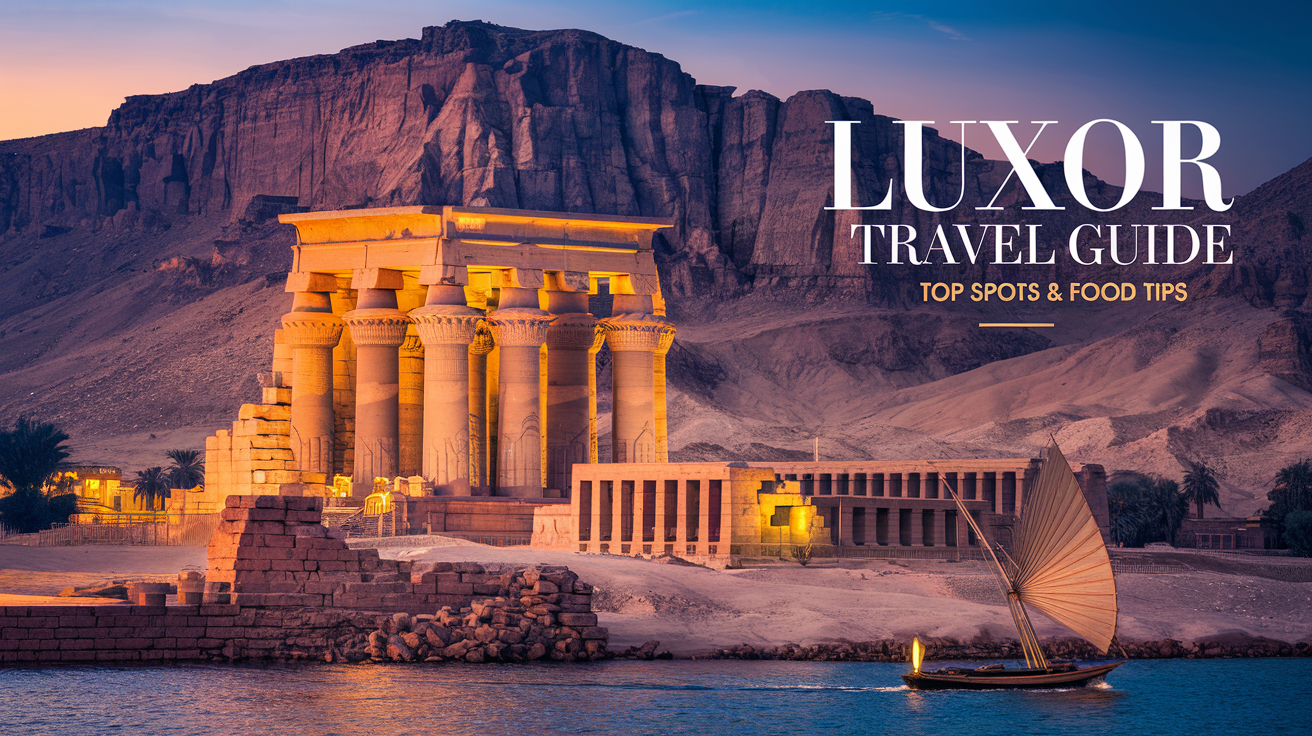
Luxor, often called the ‘world’s greatest open-air museum,’ invites you to journey through ancient Egypt’s grandeur. From monumental temples and royal tombs to tranquil Nile experiences, this comprehensive guide covers the top 20 must-visit attractions, complete with practical tips to enhance your exploration of this timeless city.

1. Karnak Temple Complex
Description: An immense open-air museum and the second-largest ancient religious site in the world, the Karnak Temple Complex is a sprawling array of ruined temples, chapels, pylons, and other buildings, notably the Great Hypostyle Hall.
History: Construction began in the Middle Kingdom and continued through the New Kingdom, with significant contributions from numerous pharaohs over two millennia. It was the principal cult temple of the god Amun-Ra.
Google Maps: Karnak Temple Complex Location
Official Website: Ministry of Tourism and Antiquities (Egypt)
Tickets: Check ticket details – Paid entry; check official website for current prices and variations (e.g., Luxor Pass).
Opening Hours: Typically 6:00 AM to 5:00 PM; Check official website for current hours.
Travel Options: Taxi, calèche (horse-drawn carriage), or local minibus from Luxor city center. Many hotels offer organized tours.
Nearby Restaurants:
– Al-Sahaby Lane Restaurant: Known for traditional Egyptian dishes and panoramic Nile River views from its rooftop.
– Abou El Haggag Restaurant: Offers authentic local cuisine with views overlooking Luxor Temple and Abou El Haggag Mosque.
Tips: Visit early in the morning to avoid crowds and heat, or in the late afternoon for stunning sunset light. Consider hiring a licensed guide for deeper insights.

2. Luxor Temple
Description: A large ancient Egyptian temple complex located on the east bank of the Nile River in the city known today as Luxor (ancient Thebes). It’s unique among Egyptian temples for not being dedicated to a cult god or a deified version of the king in death, but rather to the rejuvenation of kingship.
History: Construction began around 1400 BCE by Amenhotep III and was significantly expanded by Ramses II. Later additions were made by Tutankhamun, Horemheb, and Alexander the Great.
Google Maps: Luxor Temple Location
Official Website: Ministry of Tourism and Antiquities (Egypt)
Tickets: Check ticket details – Paid entry; check official website for current prices.
Opening Hours: Typically 6:00 AM to 10:00 PM; Check official website for current hours.
Travel Options: Easily walkable from many hotels in Luxor city center, or a short taxi/calèche ride. Located directly on the Corniche.
Nearby Restaurants:
– Sofra Restaurant & Café: Praised for its authentic Egyptian cuisine and charming, traditional ambiance.
– Jewel of the Nile Restaurant: Offers a mix of Egyptian and international dishes with pleasant Nile River views.
Tips: Visit at sunset or after dark when the temple is beautifully illuminated, creating a magical atmosphere. Wear comfortable shoes as there is a lot of walking.
3. Valley of the Kings
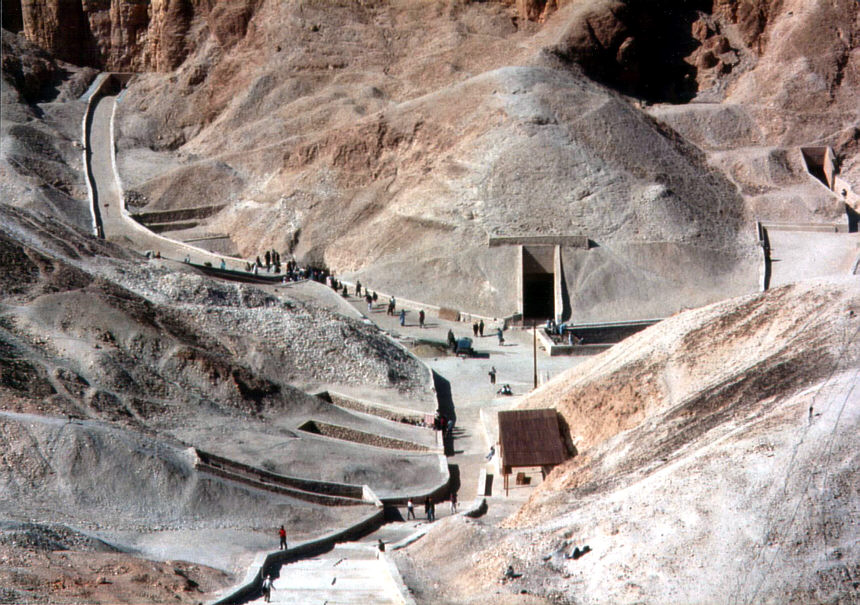
Description: A valley in Egypt where, for a period of nearly 500 years from the 16th to 11th century BC, tombs were constructed for the pharaohs and powerful nobles of the New Kingdom (the Eighteenth to the Twentieth Dynasties).
History: The site contains 63 known tombs and chambers, ranging in size from simple pits to complex tombs with over 120 chambers. The most famous discovery was the tomb of Tutankhamun.
Google Maps: Valley of the Kings Location
Official Website: Ministry of Tourism and Antiquities (Egypt)
Tickets: Check ticket details – Paid entry includes access to a selection of 3 tombs; separate tickets are required for specific, more famous tombs like Tutankhamun or Seti I.
Opening Hours: Typically 6:00 AM to 5:00 PM; Check official website for current hours.
Travel Options: Taxi or tour bus are the primary options for reaching the West Bank. Cross the Nile by local ferry (baladi) then take a taxi, or arrange a private driver.
Nearby Restaurants:
– Nile Valley Restaurant: Located on the West Bank, offering traditional Egyptian food in a relaxed setting with garden views.
– Africa Restaurant: A local favorite on the West Bank, known for simple, hearty Egyptian meals and friendly service.
Tips: Arrive as early as possible to beat the heat and crowds. Select 3-4 tombs to visit, as they can be physically demanding. Photography inside tombs is often restricted or requires a special permit.
4. Valley of the Queens
Description: A site in Egypt where wives of pharaohs were buried in ancient times. It’s known for its stunning tombs, particularly that of Queen Nefertari, renowned for its remarkably preserved vibrant paintings.
History: Used primarily during the 19th and 20th Dynasties, it contains over 100 tombs, many belonging to queens, princes, and high-ranking officials.
Google Maps: Valley of the Queens Location
Official Website: Ministry of Tourism and Antiquities (Egypt)
Tickets: Check ticket details – Paid entry; the tomb of Queen Nefertari requires a separate, significantly higher-priced ticket.
Opening Hours: Typically 6:00 AM to 5:00 PM; Check official website for current hours.
Travel Options: Taxi or tour bus, often combined with a visit to the Valley of the Kings and other West Bank sites.
Nearby Restaurants:
– Nile Valley Restaurant: On the West Bank, serving authentic Egyptian dishes in a peaceful garden setting.
– Africa Restaurant: A popular choice for local, affordable Egyptian food on the West Bank.
Tips: If your budget allows, the tomb of Nefertari is considered one of the most beautiful in Egypt due to its exceptional state of preservation and vibrant colors.

5. Hatshepsut Temple (Deir el-Bahari)
Description: The mortuary temple of the female pharaoh Hatshepsut, designed in a unique terraced style, carved into the cliff face of Deir el-Bahari. Its architecture is striking and harmonizes beautifully with the surrounding landscape.
History: Built during the 18th Dynasty (circa 1479–1458 BCE), it stands as a monument to Hatshepsut’s powerful reign and divinity.
Google Maps: Hatshepsut Temple (Deir el-Bahari) Location
Official Website: Ministry of Tourism and Antiquities (Egypt)
Tickets: Check ticket details – Paid entry; check official website for current prices.
Opening Hours: Typically 6:00 AM to 5:00 PM; Check official website for current hours.
Travel Options: Taxi or tour bus, often included in West Bank tours. A shuttle train takes visitors from the entrance to the temple base.
Nearby Restaurants:
– Nile Valley Restaurant: Offers authentic Egyptian cuisine on the West Bank, providing a relaxing stop after temple visits.
– Africa Restaurant: Known for its simple, hearty local meals and welcoming atmosphere on the West Bank.
Tips: Visit early in the morning to avoid the heat, as there is little shade. Take time to appreciate the detailed reliefs on the various terraces.

6. Travel Tips: General Advice for Visiting Luxor
Description: Practical advice for navigating Luxor, including important considerations for transport, dress code, currency, and general etiquette to ensure a smooth and respectful visit.
History:
Google Maps: Travel Tips: General Advice for Visiting Luxor Location
Tickets: Free entry – N/A
Opening Hours: Always relevant.
Travel Options:
Nearby Restaurants:
Tips: Always agree on taxi fares beforehand and clarify if the price is per person or for the entire ride. Dress modestly, especially when visiting religious sites, to show respect for local customs.

7. Medinet Habu (Mortuary Temple of Ramses III)
Description: The mortuary temple of Pharaoh Ramses III, a remarkably well-preserved complex on the West Bank. It is renowned for its vibrant, detailed reliefs depicting battle scenes and religious rituals, offering an excellent insight into New Kingdom art.
History: Built around 1186–1155 BCE, it served as both a temple and a fortified administrative center, showcasing Ramses III’s military triumphs.
Google Maps: Medinet Habu (Mortuary Temple of Ramses III) Location
Official Website: Ministry of Tourism and Antiquities (Egypt)
Tickets: Check ticket details – Paid entry; check official website for current prices.
Opening Hours: Typically 6:00 AM to 5:00 PM; Check official website for current hours.
Travel Options: Taxi or part of a West Bank tour. It’s often less crowded than other major sites.
Nearby Restaurants:
– Nour El Gourna Restaurant: Offers authentic local Egyptian food in a traditional village setting, known for its fresh ingredients.
– Habu Restaurant: A simple, local eatery near the temple offering quick and affordable Egyptian meals.
Tips: Take your time to explore the many chambers and courtyards, paying close attention to the vibrant colors and detailed carvings that are exceptionally well-preserved.

8. Colossi of Memnon
Description: Two massive stone statues of Pharaoh Amenhotep III, standing on the West Bank of the Nile. They once guarded the entrance to Amenhotep III’s mortuary temple, which is now largely in ruins.
History: Erected around 1350 BCE, the statues depict Amenhotep III in a seated position. They became famous in antiquity for an ‘eerie singing’ sound, believed to be caused by thermal expansion.
Google Maps: Colossi of Memnon Location
Tickets: Free entry – Free access for viewing from the roadside.
Opening Hours: Publicly accessible 24/7.
Travel Options: Often a quick stop on West Bank tours or easily accessible by taxi. No need for extensive travel as it’s roadside.
Nearby Restaurants:
– Africa Restaurant: A local West Bank restaurant known for serving traditional Egyptian dishes in a friendly atmosphere.
– Nile Valley Restaurant: Offers a relaxing dining experience with Egyptian specialties and views of local village life on the West Bank.
Tips: Visit during sunrise or sunset for the best photographic opportunities and to appreciate their grandeur in different lighting conditions.

9. Deir el-Medina (Valley of the Artisans)
Description: An ancient Egyptian village that was home to the artisans and workers who constructed the royal tombs in the Valley of the Kings. It offers a unique glimpse into the daily lives of these craftsmen, their homes, and their beautifully decorated private tombs.
History: Flourished from the 18th to the 20th Dynasties (approx. 1550–1070 BCE). Its well-preserved remains include houses, a small temple, and numerous private tombs.
Google Maps: Deir el-Medina (Valley of the Artisans) Location
Official Website: Ministry of Tourism and Antiquities (Egypt)
Tickets: Check ticket details – Paid entry includes access to the village and several tombs; check official website for current prices.
Opening Hours: Typically 6:00 AM to 5:00 PM; Check official website for current hours.
Travel Options: Taxi or part of a West Bank tour, often combined with Medinet Habu.
Nearby Restaurants:
– Nour El Gourna Restaurant: Known for its authentic Egyptian home-style cooking in a serene village environment.
– Habu Restaurant: A simple, convenient choice for local Egyptian food, popular with visitors exploring the West Bank sites.
Tips: Don’t miss the tombs of Sennedjem and Inherkhau, which boast exceptionally vibrant and well-preserved paintings depicting scenes of daily life and the afterlife.

10. Ramesseum (Mortuary Temple of Ramses II)
Description: The mortuary temple of Pharaoh Ramses II, known for its colossal fallen statue of the pharaoh. Though largely in ruins, it still conveys the immense scale and ambition of its builder.
History: Built during the reign of Ramses II (1279–1213 BCE), this grand temple was dedicated to the god Amun and the deceased pharaoh.
Google Maps: Ramesseum (Mortuary Temple of Ramses II) Location
Official Website: Ministry of Tourism and Antiquities (Egypt)
Tickets: Check ticket details – Paid entry; check official website for current prices.
Opening Hours: Typically 6:00 AM to 5:00 PM; Check official website for current hours.
Travel Options: Taxi or included in comprehensive West Bank tours. It is located a bit further north than some other sites.
Nearby Restaurants:
– Nour El Gourna Restaurant: Offers traditional Egyptian dishes in a peaceful village setting on the West Bank.
– Habu Restaurant: A local spot for simple, authentic Egyptian meals, ideal for a quick bite while exploring the West Bank.
Tips: Marvel at the sheer size of the fallen colossus of Ramses II, which inspired Percy Bysshe Shelley’s poem ‘Ozymandias.’ Explore the remaining reliefs for insights into the pharaoh’s life.
11. Avenue of Sphinxes
Description: An ancient processional path, nearly three kilometers long, lined with hundreds of sphinxes, connecting the Karnak Temple Complex with the Luxor Temple. It was fully reopened to the public in 2021 after extensive restoration.
History: Originally constructed over a period of 1,500 years, with significant work done during the reigns of Amenhotep III and Nectanebo I. It was used for ceremonial processions, particularly the Opet Festival.
Google Maps: Avenue of Sphinxes Location
Official Website: Ministry of Tourism and Antiquities (Egypt)
Tickets: Check ticket details – The avenue itself is generally publicly accessible along the main path. Entry to Karnak or Luxor Temples requires separate tickets.
Opening Hours: Publicly accessible 24/7 along the main path. Evening illumination makes it particularly atmospheric.
Travel Options: Walk between Luxor Temple and Karnak Temple along the avenue, or take a short taxi/calèche ride for sections.
Nearby Restaurants:
– Sofra Restaurant & Café: Conveniently located near Luxor Temple, offering an authentic Egyptian dining experience.
– Al-Sahaby Lane Restaurant: Situated near Karnak Temple, known for its Egyptian cuisine and rooftop views.
Tips: Consider walking a portion of the avenue, especially in the evening when it is lit up, to appreciate the grandeur of this ancient processional route.
12. Travel Tips: Getting Around & Local Etiquette
Description: Advice on common transportation options in Luxor, how to respectfully interact with local vendors, and understanding general cultural customs to enhance your travel experience.
History:
Google Maps: Travel Tips: Getting Around & Local Etiquette Location
Tickets: Free entry – N/A
Opening Hours: Always relevant.
Travel Options:
Nearby Restaurants:
Tips: Haggle politely and respectfully in markets and souvenir shops; it’s part of the culture. Carry small denominations of Egyptian Pounds for tips (baksheesh) and small purchases.
13. Mummification Museum
Description: Dedicated to the ancient Egyptian art of mummification, this museum provides an in-depth look at the techniques, tools, and rituals involved in preserving bodies, both human and animal, for the afterlife.
History: Opened in 1997, the museum aims to illustrate the process of mummification as practiced by the ancient Egyptians.
Google Maps: Mummification Museum Location
Official Website: Ministry of Tourism and Antiquities (Egypt)
Tickets: Check ticket details – Paid entry; check official website for current prices.
Opening Hours: Typically 9:00 AM to 5:00 PM; Check official website for current hours.
Travel Options: Located on the East Bank’s Corniche, easily walkable from Luxor Temple or a short taxi ride from most city hotels.
Nearby Restaurants:
– Lantern Room Restaurant: A well-regarded restaurant offering international and local cuisine with a cozy atmosphere.
– El Nile Restaurant: Known for its Egyptian dishes and relaxing views of the Nile River, ideal for lunch or dinner.
Tips: This compact museum offers excellent educational value; take your time to read the detailed explanations and examine the artifacts, including actual mummies and canopic jars.
14. Luxor Museum
Description: Regarded as one of the best museums in Egypt, the Luxor Museum houses a beautifully displayed collection of antiquities found in Luxor and its surrounding areas, with a focus on ancient Thebes.
History: Opened in 1975, the museum is celebrated for its modern, well-lit exhibition style that allows visitors to appreciate each artifact without clutter.
Google Maps: Luxor Museum Location
Official Website: Ministry of Tourism and Antiquities (Egypt)
Tickets: Check ticket details – Paid entry; check official website for current prices.
Opening Hours: Typically 9:00 AM to 5:00 PM; Check official website for current hours.
Travel Options: Located on the East Bank’s Corniche, a short walk or taxi ride from city center hotels.
Nearby Restaurants:
– Lantern Room Restaurant: Offers a delightful menu of international and Egyptian dishes in a comfortable setting near the museum.
– El Nile Restaurant: Provides authentic Egyptian cuisine with scenic views of the Nile, perfect for a meal after your museum visit.
Tips: Don’t miss the two Royal Mummies halls, which house the mummified remains of pharaohs Ahmose I and Ramesses I, and the ‘Glory of Thebes’ exhibit, displaying magnificent pieces from Luxor Temple.
15. Howard Carter House
Description: The preserved house of the famous British archaeologist Howard Carter, who discovered the tomb of Tutankhamun. It offers a fascinating glimpse into his life and work, featuring some of his original belongings and replica artifacts.
History: Howard Carter lived in this house on the West Bank during his excavations in the Valley of the Kings. It has been restored and opened as a museum.
Google Maps: Howard Carter House Location
Tickets: Check ticket details – Paid entry (small fee); check at site for current prices.
Opening Hours: Typically 8:00 AM to 4:00 PM; check locally for current hours.
Travel Options: Accessible by taxi on the West Bank, often combined with visits to nearby archaeological sites.
Nearby Restaurants:
– Nour El Gourna Restaurant: Offers traditional Egyptian home-cooked meals in a charming village setting, a short drive away.
– Habu Restaurant: A convenient local eatery on the West Bank for simple, satisfying Egyptian dishes.
Tips: A unique opportunity to connect with the history of archaeology; look for the replica of Tutankhamun’s burial chamber and Carter’s personal effects.
16. Tomb of Tutankhamun (KV62)
Description: The famous burial place of Pharaoh Tutankhamun, discovered nearly intact by Howard Carter in 1922. While its treasures are now in Cairo, seeing the tomb itself and the pharaoh’s mummy offers a profound connection to ancient history.
History: Dating to the 18th Dynasty (around 1323 BCE), it’s significant as the most complete royal tomb ever found, providing unparalleled insights into royal burial practices.
Google Maps: Tomb of Tutankhamun (KV62) Location
Official Website: Ministry of Tourism and Antiquities (Egypt)
Tickets: Check ticket details – Requires a separate, additional ticket on top of the general Valley of the Kings entrance fee.
Opening Hours: Same as Valley of the Kings; Typically 6:00 AM to 5:00 PM; Check official website for current hours.
Travel Options: Located within the Valley of the Kings; accessible via the site’s internal shuttle or a short walk from the visitor center.
Nearby Restaurants:
– Nile Valley Restaurant: Located on the West Bank, serving a range of traditional Egyptian cuisine in a peaceful environment.
– Africa Restaurant: A popular local spot on the West Bank, offering authentic and hearty Egyptian meals.
Tips: Despite the absence of the major treasures, it is worth the extra cost to see the tomb where the discovery of the century took place and to view the actual mummy of Tutankhamun.
17. Hot Air Balloon Ride Over Luxor
Description: An exhilarating experience offering unparalleled panoramic views of Luxor’s ancient sites, including the Valley of the Kings, Hatshepsut Temple, and the River Nile, all bathed in the golden light of sunrise.
History: While the sites are ancient, hot air ballooning over Luxor has become a popular and iconic tourist activity in recent decades, providing a unique aerial perspective.
Google Maps: Hot Air Balloon Ride Over Luxor Location
Tickets: Book Tickets – Book via reputable tour operators; prices vary. Often includes hotel pickup and light refreshments.
Opening Hours: Pre-sunrise departure (typically around 4:00 AM – 5:00 AM, depending on season).
Travel Options: Most tours include convenient hotel pickup and drop-off from both East and West Banks.
Nearby Restaurants:
– Sofra Restaurant & Café: Excellent for breakfast or later meals, especially if staying on the East Bank after your ride.
– Al-Sahaby Lane Restaurant: Offers breakfast options and stunning Nile views, a great way to start the day after your balloon adventure.
Tips: Book well in advance with a licensed and reputable company. Wear layers of clothing as it can be cool before sunrise and warm up quickly. Bring a camera for incredible aerial photos.
18. Travel Tips: Health, Safety & When to Visit
Description: Essential advice for maintaining health and safety while traveling in Luxor, along with recommendations for the best times of year to plan your visit.
History:
Google Maps: Travel Tips: Health, Safety & When to Visit Location
Tickets: Free entry – N/A
Opening Hours: Always relevant.
Travel Options:
Nearby Restaurants:
Tips: Always drink bottled water to stay hydrated and protect yourself from the intense sun with sunscreen, hats, and light clothing. The best time to visit Luxor is during the cooler winter months (October to April).
19. Temple of Seti I
Description: A large and significant mortuary temple dedicated to the pharaoh Seti I, known for its exceptionally fine and detailed reliefs. Though less visited than other major sites, its artistry is considered among the best of the New Kingdom.
History: Begun by Seti I and completed by his son, Ramses II, this temple dates to the 19th Dynasty (around 1290-1279 BCE).
Google Maps: Temple of Seti I Location
Official Website: Ministry of Tourism and Antiquities (Egypt)
Tickets: Check ticket details – Paid entry; check official website for current prices.
Opening Hours: Typically 6:00 AM to 5:00 PM; Check official website for current hours.
Travel Options: Best reached by taxi, often combined with other West Bank sites, though it is located further north.
Nearby Restaurants:
– Nour El Gourna Restaurant: Known for delicious, authentic Egyptian home cooking in a charming, traditional village setting.
– Habu Restaurant: A convenient and simple local restaurant offering Egyptian dishes, popular with visitors exploring the West Bank.
Tips: If you appreciate intricate ancient Egyptian art, this temple is a must-see for the exquisite quality of its reliefs, which are often cited as superior to those found in other temples.
20. Banana Island (Gezira el-Mozh)
Description: A tranquil and lush island in the Nile River, famous for its banana plantations. It offers a pleasant escape from the bustling city, where visitors can relax, enjoy fresh fruit, and experience local village life.
History: A natural island utilized for agriculture, it has become a popular short excursion for tourists seeking a relaxing Nile experience.
Google Maps: Banana Island (Gezira el-Mozh) Location
Tickets: Check ticket details – Entry typically included in the cost of a felucca trip; small fee may apply for the plantation visit itself.
Opening Hours: Generally open during daylight hours; Check with felucca operators.
Travel Options: Accessed via a traditional felucca (sailboat) ride from the East Bank Corniche, offering a scenic journey on the Nile.
Nearby Restaurants:
– El Nile Restaurant: Located on the East Bank, offers a variety of Egyptian dishes with lovely views of the Nile, perfect before or after your island trip.
– Abou El Haggag Restaurant: A popular choice in Luxor city center for traditional Egyptian food and a lively atmosphere.
Tips: Enjoy the fresh, sweet bananas grown on the island. A felucca trip to Banana Island is a relaxing way to spend an afternoon, especially during sunset.
AI Travel Tools