
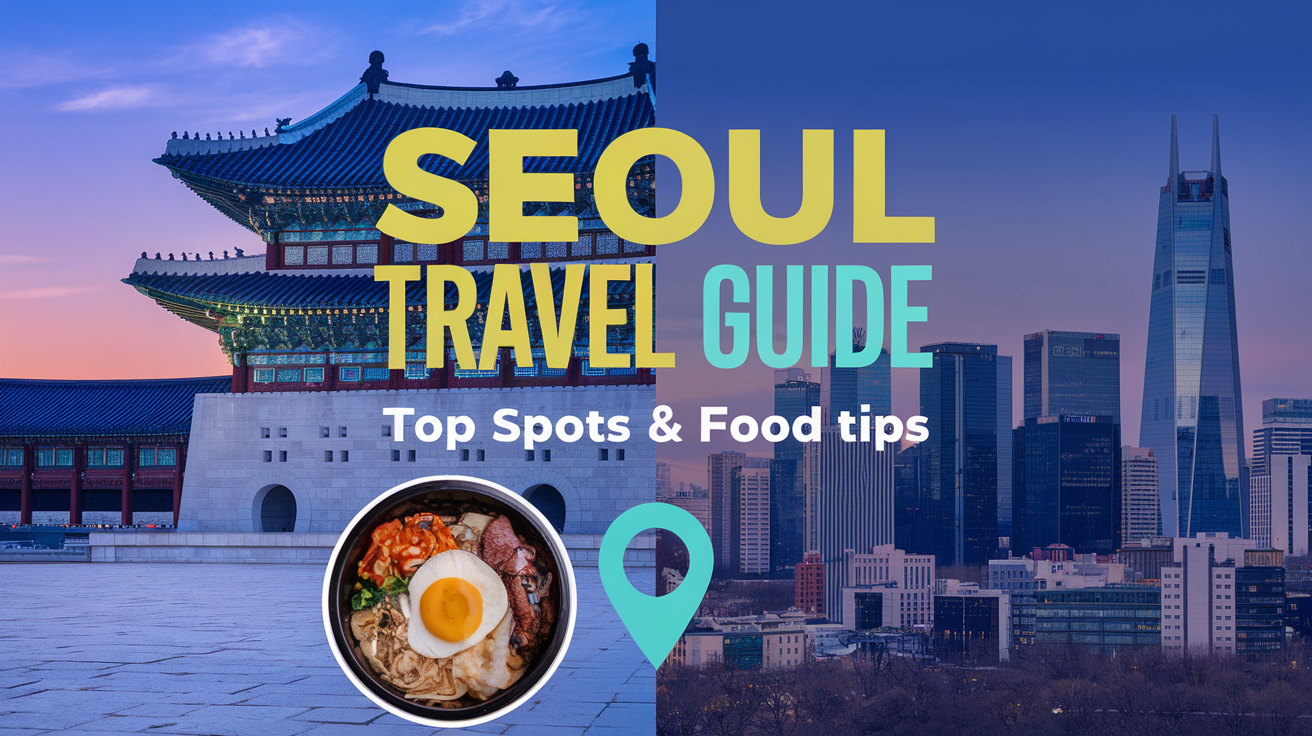
Seoul, a city where ancient traditions beautifully intertwine with cutting-edge modernity, offers an endless array of experiences for every traveler. From majestic palaces and tranquil hanok villages to vibrant shopping districts and futuristic architectural marvels, the South Korean capital promises an unforgettable adventure. This comprehensive guide details 20 must-visit attractions, helping you navigate Seoul’s rich history, dynamic culture, and diverse culinary scene with ease.

1. Gyeongbokgung Palace
Description: The largest and arguably most beautiful of the Five Grand Palaces built during the Joseon Dynasty, Gyeongbokgung served as the main royal palace.
History: Built in 1395, Gyeongbokgung was the primary palace of the Joseon Dynasty. It was destroyed during the Japanese invasions in the late 16th century and later rebuilt in the 19th century.
Google Maps: Gyeongbokgung Palace Location
Official Website: Official website (Cultural Heritage Administration)
Tickets: Book Tickets – Timed entry for some areas, free entry when wearing a hanbok. Check official site for current prices.
Opening Hours: Typically 9 AM – 5 PM (seasonal variations), closed Tuesdays. Check official website for current hours.
Travel Options: Gyeongbokgung Station (Line 3, Exit 5), Anguk Station (Line 3, Exit 1), Gwanghwamun Station (Line 5, Exit 2).
Nearby Restaurants:
– Tosokchon Samgyetang: Famous for traditional Korean ginseng chicken soup, a beloved local delicacy.
– Hwangsaengga Kalguksu: Known for its Michelin-listed Korean knife-cut noodles and dumplings.
Tips: Rent a Hanbok (traditional Korean dress) from a nearby shop to gain free entry to the palace and capture stunning photos.

2. Bukchon Hanok Village
Description: A traditional Korean village nestled between Gyeongbokgung and Changdeokgung Palaces, featuring hundreds of traditional hanok houses.
History: Dating back 600 years to the Joseon Dynasty, this village was historically home to high-ranking government officials and nobility.
Google Maps: Bukchon Hanok Village Location
Tickets: Free entry – A residential area, so visitors are asked to be respectful.
Opening Hours: Always open, but visitors are encouraged to be mindful of residents during early mornings and late evenings.
Travel Options: Anguk Station (Line 3, Exit 1 or 2).
Nearby Restaurants:
– Samcheongdong Sujebi: Renowned for its classic Korean hand-torn noodle soup, a perfect comfort food.
– Cafe Layered Bukchon: Popular for its delicious scones and charming, cozy atmosphere.
Tips: Wear comfortable shoes as you’ll be walking up and down steep streets. Be respectful of the residents and keep noise to a minimum.

3. Changdeokgung Palace and Secret Garden
Description: A UNESCO World Heritage site, Changdeokgung is a palace admired for its harmonious integration with the natural landscape, especially its expansive Huwon (Secret Garden).
History: Built in 1405 as a secondary palace, Changdeokgung served as the primary royal residence for many Joseon kings for over 270 years.
Google Maps: Changdeokgung Palace and Secret Garden Location
Official Website: Official website (Cultural Heritage Administration)
Tickets: Book Tickets – General admission, and separate timed tickets for the Secret Garden (Huwon). Book in advance, especially for Huwon.
Opening Hours: Typically 9 AM – 5:30 PM (seasonal variations), closed Mondays. Huwon tours have specific schedules. Check official website for current hours.
Travel Options: Anguk Station (Line 3, Exit 3), Jongno 3-ga Station (Lines 1, 3, 5, Exit 7).
Nearby Restaurants:
– Gukjeon: Offers refined Korean cuisine in a traditional, elegant setting.
– O’sulloc Tea House Insadong: A great spot for traditional Korean green teas and desserts.
Tips: The Secret Garden (Huwon) is a highlight and requires a separate, timed guided tour ticket, which often sells out quickly. Book online in advance.

4. Insadong
Description: A vibrant cultural street district famous for traditional tea houses, art galleries, antique shops, and street food.
History: During the Joseon Dynasty, Insadong was an area for painters, artists, and craftsmen. It retains much of its traditional charm today.
Google Maps: Insadong Location
Tickets: Free entry – Shops and activities have their own pricing.
Opening Hours: Shops typically open 10 AM – 7 PM, but hours can vary. Restaurants and tea houses often open later.
Travel Options: Anguk Station (Line 3, Exit 6), Jonggak Station (Line 1, Exit 3).
Nearby Restaurants:
– Sanchon: Famous for its authentic temple cuisine, offering a unique Buddhist vegetarian dining experience.
– Gogung Bibimbap Insadong: Known for its traditional Jeonju-style bibimbap in a classic setting.
Tips: Explore the various narrow alleys off the main street to discover hidden art galleries, traditional craft shops, and charming tea houses.
5. Myeongdong Shopping Street
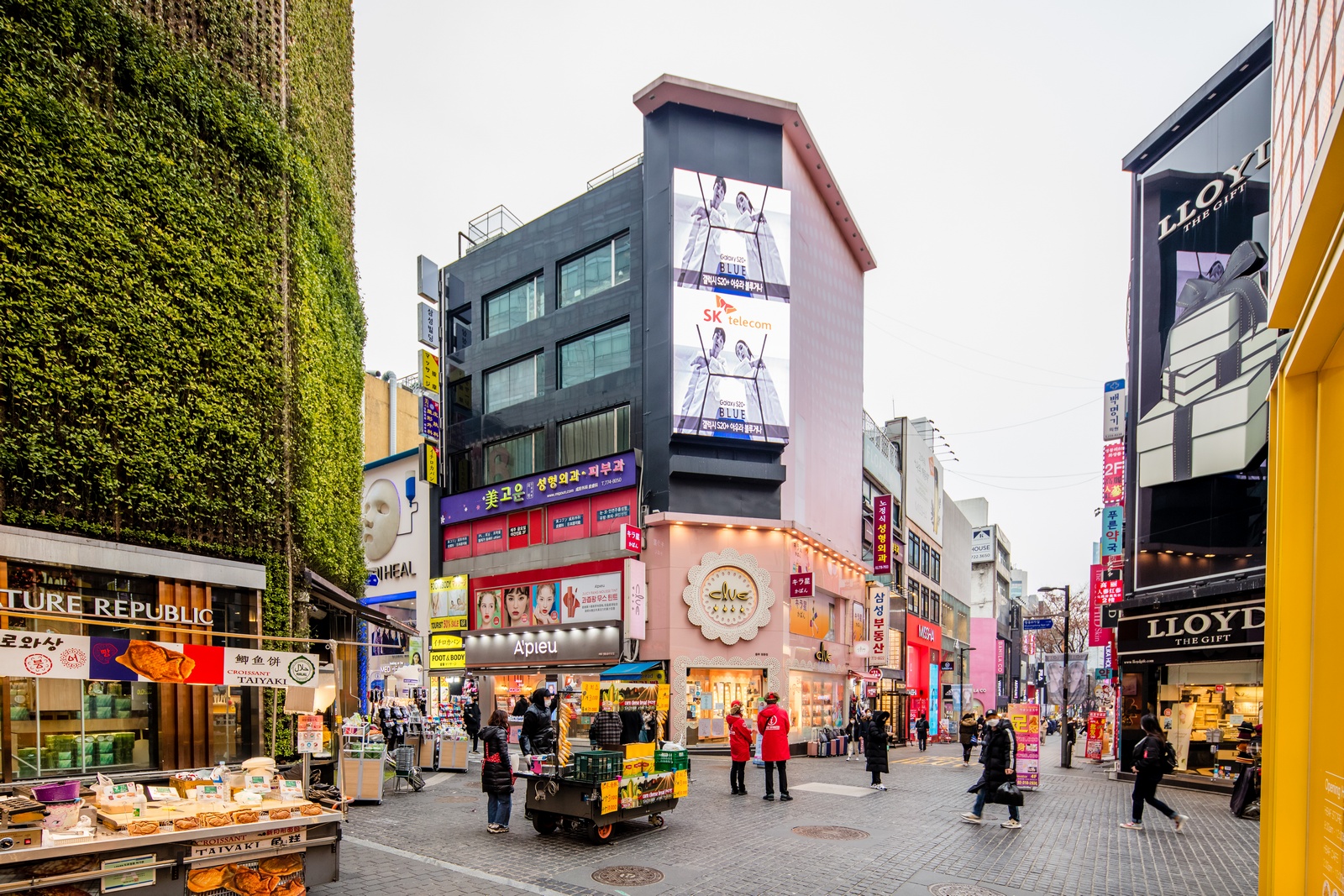
Description: Seoul’s premier shopping district, renowned for its trendy fashion, global beauty brands, and bustling street food stalls.
History: Developed into a significant commercial center during the Japanese colonial period, Myeongdong has been a fashion and cultural hub for decades.
Google Maps: Myeongdong Shopping Street Location
Tickets: Free entry – Shopping and food have their own costs.
Opening Hours: Shops typically open 10 AM – 10 PM. Street food vendors operate mainly from afternoon to late evening.
Travel Options: Myeongdong Station (Line 4, Exit 6, 7, or 8), Euljiro 1(il)-ga Station (Line 2, Exit 5 or 6).
Nearby Restaurants:
– Myeongdong Kyoja: Renowned for its delicious Kalguksu (knife-cut noodles) and mandu (dumplings).
– Hadongkwan: Famous for its traditional Korean beef bone soup (gomtang), a long-standing local favorite.
Tips: Visit in the evening to experience the vibrant street food scene and the lively atmosphere under the neon lights.

6. N Seoul Tower
Description: An iconic landmark on Namsan Mountain, offering breathtaking panoramic views of Seoul and surrounding areas.
History: Opened in 1969 as Korea’s first general broadcasting tower, it was opened to the public in 1980 and quickly became a major tourist attraction.
Google Maps: N Seoul Tower Location
Official Website: Official website
Tickets: Book Tickets – Tickets required for observatory access. Namsan Cable Car is a separate fare.
Opening Hours: Typically 10 AM – 11 PM (observatory), but hours can vary. Check official website for current hours.
Travel Options: Namsan Cable Car, Namsan Sunhwan Shuttle Bus (Yellow Bus routes 01, 02, 03, 05), or a scenic walk up Namsan Mountain.
Nearby Restaurants:
– N.Grill: A revolving French restaurant at the top of the tower, offering fine dining with spectacular city views.
– HanCook: A Korean buffet restaurant offering traditional dishes with a panoramic view of Seoul.
Tips: Visit during sunset to witness the magical transition of Seoul from daylight to a sparkling nightscape.
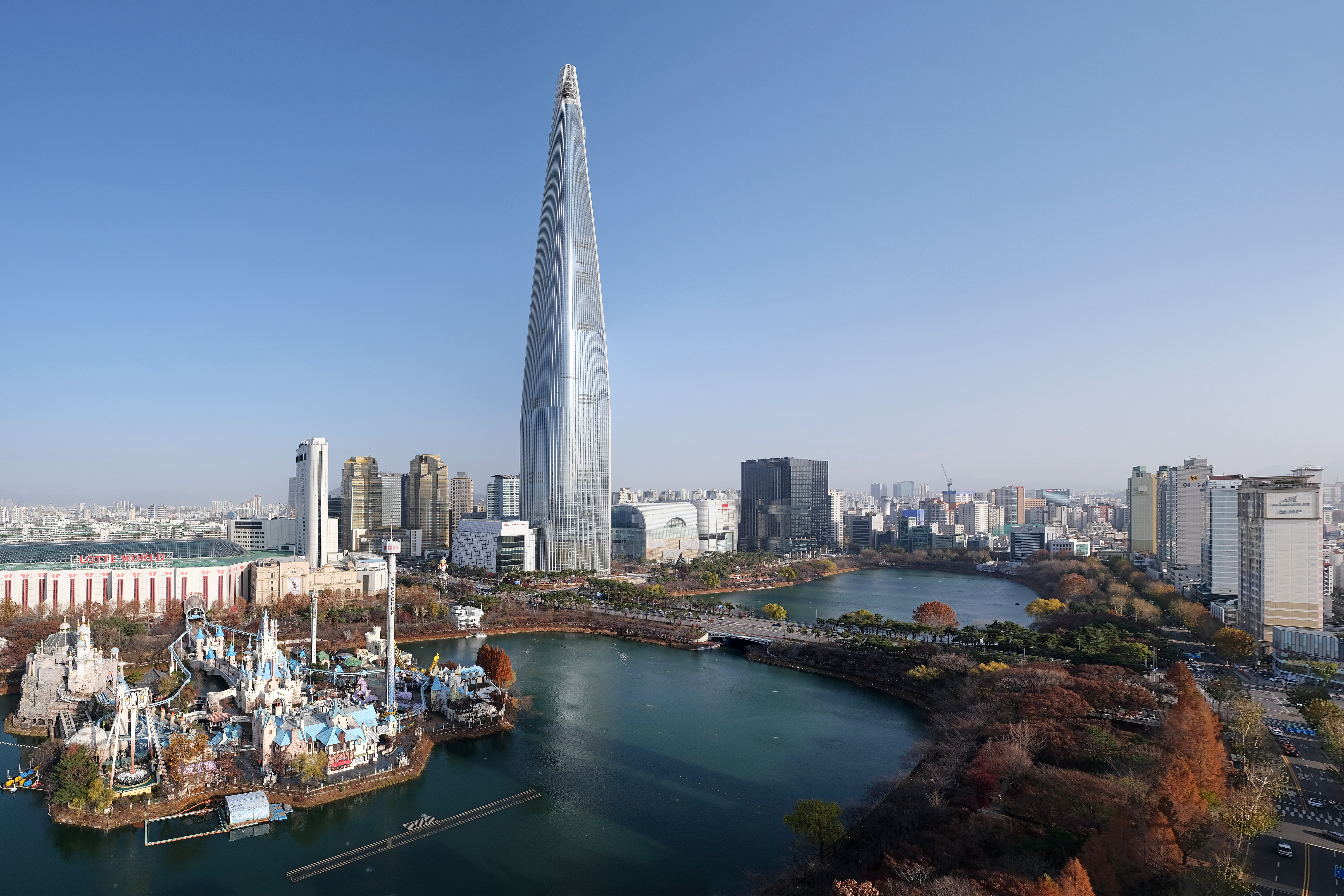
7. Lotte World
Description: A major recreation complex featuring an indoor theme park (Lotte World Adventure), an outdoor park (Magic Island), a shopping mall, and a hotel.
History: Opened in 1989, Lotte World Adventure holds the Guinness World Record as the world’s largest indoor theme park.
Google Maps: Lotte World Location
Official Website: Official website
Tickets: Book Tickets – Various passes available for park entry and attractions. Online booking often offers discounts.
Opening Hours: Typically 10 AM – 9 PM or 10 PM. Check official website for current hours.
Travel Options: Jamsil Station (Lines 2, 8, Exit 4).
Nearby Restaurants:
– BHC Chicken (Lotte World Branch): Popular for its crispy Korean fried chicken, a local favorite.
– Lotteria (Lotte World Branch): A classic Korean fast-food chain offering burgers, fries, and unique Korean-style fast food.
Tips: Arrive early, especially on weekends and holidays, to make the most of your day and avoid long queues for popular rides.

8. Dongdaemun Design Plaza (DDP)
Description: A futuristic landmark designed by Zaha Hadid, serving as an exhibition space, fashion hub, and cultural complex.
History: Built on the former site of Dongdaemun Stadium, the DDP opened in 2014 and quickly became an icon of Seoul’s modern design.
Google Maps: Dongdaemun Design Plaza (DDP) Location
Official Website: Official website
Tickets: Check ticket details – General entry is free; specific exhibitions or events may require tickets.
Opening Hours: Typically 10 AM – 7 PM, but hours vary for different exhibitions and facilities. Check official website for current hours.
Travel Options: Dongdaemun History & Culture Park Station (Lines 2, 4, 5, Exit 1).
Nearby Restaurants:
– Jinokhwa Halmae Weonjo Dakhanmari: Famous for its hearty Dakhanmari (whole chicken soup), a comforting local dish.
– Samarkand: A popular Uzbek restaurant offering delicious lamb skewers and plov, reflecting the diverse culinary scene in the area.
Tips: Visit in the evening to see the DDP’s unique exterior beautifully illuminated, and explore the nearby Dongdaemun Night Market for late-night shopping.

9. Cheonggyecheon Stream
Description: A beautifully restored urban stream and public recreation space that flows through downtown Seoul.
History: Once an open sewer covered up after the Korean War, it was dramatically restored and reopened in 2005 as a symbol of urban renewal.
Google Maps: Cheonggyecheon Stream Location
Tickets: Free entry – Always accessible to the public.
Opening Hours: Always open.
Travel Options: Accessible from multiple subway stations including Gwanghwamun (Line 5), City Hall (Lines 1, 2), and Jonggak (Line 1).
Nearby Restaurants:
– Mugyodong Bugeokukjib: Known for its dried pollack soup, a popular breakfast and hangover cure.
– Leegane Tteokbokki: Famous for its spicy rice cakes (tteokbokki) and other Korean street food favorites.
Tips: Enjoy a leisurely stroll along the stream, especially during the spring and autumn, to escape the city’s hustle and bustle.

10. Namdaemun Market
Description: Korea’s largest traditional market, offering an incredibly diverse range of goods, from clothing and kitchenware to local produce and street food.
History: Dating back to the 15th century, Namdaemun Market is one of Korea’s oldest and largest continuously operating traditional markets.
Google Maps: Namdaemun Market Location
Official Website: Official website
Tickets: Free entry – Prices vary for goods and food within the market.
Opening Hours: Many stalls operate from 9 AM – 5 PM, but some sections are open 24 hours. Closed on Sundays. Check individual stall hours.
Travel Options: Hoehyeon Station (Line 4, Exit 5).
Nearby Restaurants:
– Kalguksu Alley: A famous alley within the market featuring numerous stalls specializing in various hearty noodle dishes.
– Galchi Jorim Alley: Specializes in braised hairtail fish, a unique and savory Korean delicacy.
Tips: Be prepared to bargain, especially if you’re buying multiple items. Sample the street food, a highlight of the market experience.
11. Hongdae
Description: A vibrant district celebrated for its youthful energy, indie music scene, street art, fashion boutiques, and lively nightlife, centered around Hongik University.
History: Grew organically from the arts college environment of Hongik University, evolving into a hub for youth culture, independent artists, and trendy businesses.
Google Maps: Hongdae Location
Tickets: Free entry – Individual establishments have their own pricing.
Opening Hours: Shops typically open 11 AM – 10 PM, with cafes, bars, and clubs operating much later into the night.
Travel Options: Hongik University Station (Line 2, AREX, Gyeongui-Jungang Line, Exit 9).
Nearby Restaurants:
– Thanks Nature Cafe: A unique cafe where you can interact with live sheep while enjoying waffles and drinks.
– Mr. Bossam (Hongdae Branch): Popular for its delicious Bossam (boiled pork wraps) and comforting Korean dishes.
Tips: Wander through the numerous side streets and alleys to discover hidden cafes, quirky shops, and spontaneous street performances.
12. Seoul Forest
Description: A large urban park designed as an ‘eco-friendly forest in the city,’ offering diverse facilities including an ecological forest, cultural art park, and wetlands.
History: Opened in 2005, Seoul Forest was transformed from various facilities including a royal hunting ground and a water treatment plant into a sprawling green oasis.
Google Maps: Seoul Forest Location
Official Website: Official website
Tickets: Free entry – Some specific facilities or activities may have fees.
Opening Hours: Always open (some specific facilities within the park may have defined hours).
Travel Options: Seoul Forest Station (Bundang Line, Exit 3), Ttukseom Station (Line 2, Exit 8).
Nearby Restaurants:
– Unda: Offers modern Korean cuisine with a focus on fresh, seasonal ingredients in a stylish setting.
– Grandma’s Recipe: Known for its home-style Korean cooking and cozy, welcoming atmosphere.
Tips: Rent a bicycle to explore the park’s vast areas efficiently, or simply enjoy a picnic amidst the greenery.
13. Gwangjang Market
Description: One of Korea’s oldest and largest traditional markets, renowned primarily for its incredible array of street food and traditional Korean goods.
History: Established in 1905, Gwangjang Market was Korea’s first permanent market, serving as a major trading hub for textiles and goods.
Google Maps: Gwangjang Market Location
Official Website: Official website
Tickets: Free entry – Food and goods have their own costs.
Opening Hours: Food stalls typically open 9 AM – 11 PM. General shops 9 AM – 6 PM. Some sections closed Sundays. Check individual stall hours.
Travel Options: Jongno 5-ga Station (Line 1, Exit 8), Euljiro 4-ga Station (Lines 2, 5, Exit 4).
Nearby Restaurants:
– Gohyang Kalguksu (Noodle Stall): Featured on Netflix’s ‘Street Food,’ famous for its handmade noodles and dumplings.
– Original Mayak Gimbap: Known for its ‘drug gimbap’ (mini seaweed rolls) with an addictive dipping sauce.
Tips: Go with an empty stomach! Try the famous bindaetteok (mung bean pancakes), tteokbokki, and the ‘mayak gimbap’ for an authentic taste of Korean street food.
14. Ihwa Mural Village
Description: A charming hillside village transformed by colorful murals and art installations, offering unique photo opportunities and city views.
History: Part of a public art project in 2006 (Art in City), the village’s revitalization effort aimed to improve the living environment and attract visitors.
Google Maps: Ihwa Mural Village Location
Tickets: Free entry – A residential area, so visitors are asked to be respectful.
Opening Hours: Always open, but best visited during daylight hours for viewing murals.
Travel Options: Hyehwa Station (Line 4, Exit 2), then a 15-20 minute uphill walk.
Nearby Restaurants:
– Gaemi Supermarket: A local spot offering rustic Korean dishes and drinks in a cozy, traditional setting.
– Cafe Ihwa: Offers refreshing drinks and light snacks with pleasant views of the city below.
Tips: Wear comfortable shoes as there are many uphill climbs and stairs. Be mindful of residents and avoid loud conversations.
15. Bongeunsa Temple
Description: An ancient Buddhist temple founded in the 8th century, providing a serene spiritual retreat amidst the modern skyscrapers of the Gangnam district.
History: Originally established in 794 AD, Bongeunsa was relocated and rebuilt in 1498. It has undergone numerous renovations over centuries.
Google Maps: Bongeunsa Temple Location
Official Website: Official website
Tickets: Free entry – Templestay programs or specific cultural experiences have fees.
Opening Hours: Typically 5 AM – 9 PM. Check official website for specific facility hours.
Travel Options: Samseong Station (Line 2, Exit 6), Bongeunsa Station (Line 9, Exit 1).
Nearby Restaurants:
– Jungsik: A Michelin-starred restaurant offering innovative and sophisticated Korean fine dining.
– Grand Kitchen (InterContinental Seoul COEX): Offers a luxurious international buffet with a wide selection of dishes.
Tips: Consider participating in a ‘Templestay’ program to experience a day in the life of a Buddhist monk and gain deeper insight into Korean Buddhist culture.
16. Seoul City Wall
Description: A historic fortress wall that once enclosed Hanyang (old Seoul), offering scenic hiking trails with panoramic city views and glimpses into the past.
History: Built in 1396 to protect the capital of the Joseon Dynasty, parts of the wall have been beautifully restored for public access.
Google Maps: Seoul City Wall Location
Official Website: Official website
Tickets: Free entry – Some sections may have specific access rules or times.
Opening Hours: Always open, though some gates or specific trail sections might have operating hours. Check official website for details.
Travel Options: Accessible from various subway stations including Dongdaemun (Lines 1, 4), Hyehwa (Line 4) for Naksan Park section, and Hangangjin (Line 6) for Namsan section.
Nearby Restaurants:
– Jangsu Bossam: Known for its delicious Bossam (boiled pork wraps) and Jokbal (pig’s trotters) near the Dongdaemun section.
– Cafe Gaeppul: A cozy cafe offering drinks and light bites near the Naksan Park section, with charming city views.
Tips: Choose a section of the wall to hike based on your fitness level and desired views. The Naksan Park section is relatively easy and popular for sunset views.
17. Han River Park
Description: A series of 11 public parks stretching along the Han River, offering vast spaces for recreation, relaxation, and stunning waterfront views.
History: The Han River parks were developed into public recreational spaces starting in the 1980s, transforming the riverbanks into beloved city amenities.
Google Maps: Han River Park Location
Official Website: Official website (Seoul City)
Tickets: Free entry – Activities like boat rentals or specific events may have fees.
Opening Hours: Always open.
Travel Options: Accessible from numerous subway stations depending on the specific park, e.g., Yeouinaru Station (Line 5) for Yeouido Hangang Park, Ttukseom Resort Station (Line 7) for Ttukseom Hangang Park.
Nearby Restaurants:
– The Floating Island Convention (Some Sevit): Offers upscale dining options with beautiful views of the Han River.
– Delivery Chicken & Beer: A popular local experience: order fried chicken and beer for delivery directly to your spot in the park.
Tips: Rent a bicycle or bring a picnic to fully enjoy the scenic beauty and relaxed atmosphere. Ordering ‘chimaek’ (chicken and beer) for delivery is a quintessential Han River experience.
18. National Museum of Korea
Description: The largest museum in Korea, housing an extensive collection of Korean art and history, spanning from ancient times to the modern era.
History: Established in 1945, the museum moved to its current purpose-built facility in 2005, which integrates Korean traditional architecture with modern design.
Google Maps: National Museum of Korea Location
Official Website: Official website
Tickets: Free entry – Permanent exhibitions are free; special exhibitions may require tickets. Check official site for details.
Opening Hours: Typically 10 AM – 6 PM on weekdays, extended hours on weekends. Closed Mondays. Check official website for current hours.
Travel Options: Ichon Station (Line 4, Gyeongui-Jungang Line, Exit 2). The museum is directly connected via an underpass.
Nearby Restaurants:
– Museum Restaurant: Offers Korean and international cuisine within the museum complex, convenient for a meal during your visit.
– Yongsan Raw Fish Market Restaurants: A bit further, but offers fresh seafood options from a bustling local market.
Tips: Allocate several hours to explore the vast collections. Consider joining a free guided tour for deeper insights into Korean history and culture.
19. Banpo Bridge Rainbow Fountain
Description: The world’s longest bridge fountain, creating a spectacular water and light show that dances across the Han River.
History: Installed in 2009, this innovative fountain was recognized by Guinness World Records and quickly became a popular evening attraction.
Google Maps: Banpo Bridge Rainbow Fountain Location
Tickets: Free entry – Seasonal operation (typically April-October). Check specific show times.
Opening Hours: Seasonal (typically April-October). Shows run at specific times in the evening. Check Seoul City website for current schedule.
Travel Options: Express Bus Terminal Station (Lines 3, 7, 9, Exit 8-1 or 8-2), then a walk to Banpo Hangang Park.
Nearby Restaurants:
– Seorae Village Restaurants: The nearby French Village (Seorae Maeul) offers a variety of upscale dining and charming cafes.
– Convenience stores in Banpo Hangang Park: For quick snacks and drinks to enjoy while watching the fountain show.
Tips: Arrive early to secure a good viewing spot, especially on weekends. Bring a blanket or mat to sit on and enjoy the show comfortably.
20. COEX Mall and Starfield Library
Description: A massive underground shopping mall and convention center, most notably featuring the stunning Starfield Library, a multi-story public library.
History: COEX Convention Center opened in 1979, with the mall expanding over the years. The iconic Starfield Library opened in 2017, quickly becoming a popular landmark.
Google Maps: COEX Mall and Starfield Library Location
Official Website: Official website
Tickets: Free entry – Individual shops, cinemas, and attractions within the mall have their own pricing.
Opening Hours: Mall typically 10:30 AM – 10 PM. Starfield Library 10 AM – 10 PM. Check individual store/attraction hours.
Travel Options: Samseong Station (Line 2, Exits 5 or 6), Bongeunsa Station (Line 9, Exits 6 or 7).
Nearby Restaurants:
– Vatos Urban Tacos: Popular for its unique and delicious Korean-Mexican fusion cuisine.
– Bill’s (COEX): An Australian-inspired cafe known for its brunch, pancakes, and refreshing drinks.
Tips: Beyond the Starfield Library, explore the various zones within COEX Mall, including an aquarium, cinema, and a wide selection of dining options.
AI Travel Tools