

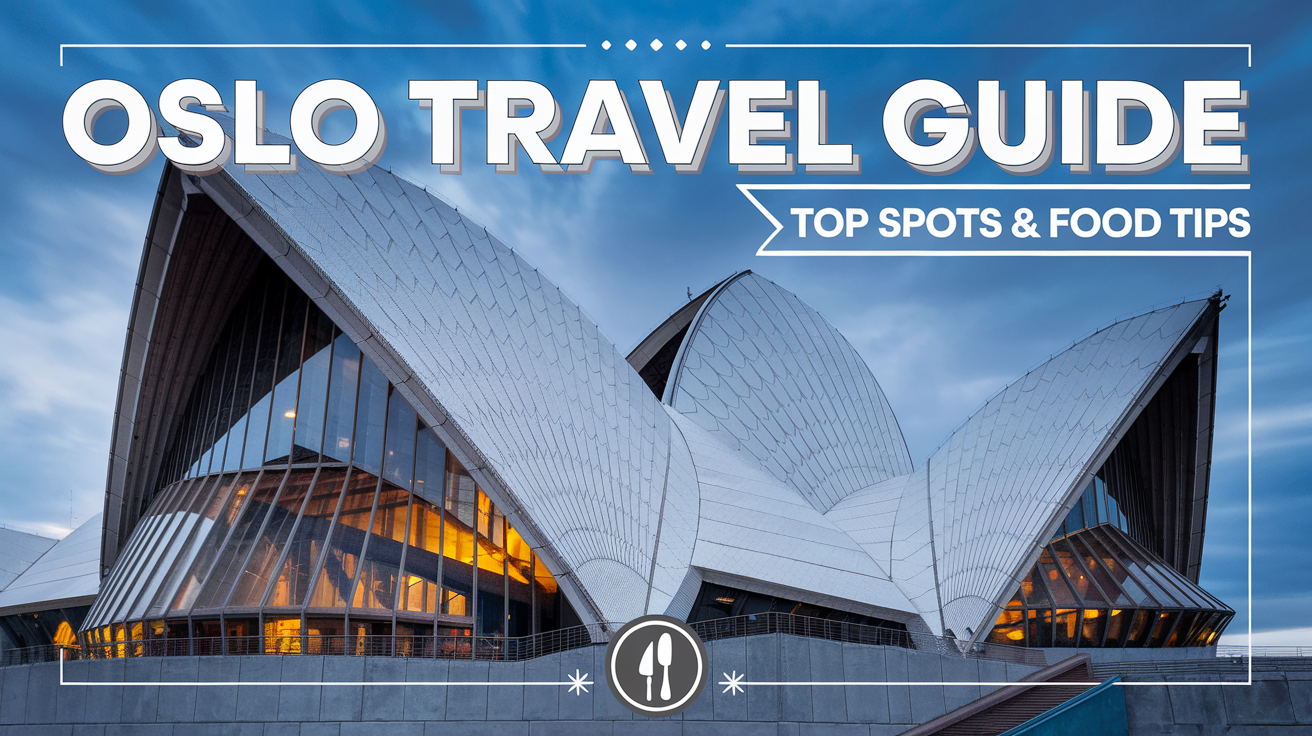
Oslo, Norway’s vibrant capital, blends stunning natural beauty with rich history and cutting-edge design. This comprehensive guide highlights the top 20 must-visit attractions, offering insights into their history, practical visitor information, and nearby culinary delights to help you explore the best of what this captivating Nordic city has to offer.

1. Vigeland Sculpture Park
Description: A monumental outdoor sculpture park located within Frogner Park, featuring over 200 bronze, granite, and wrought iron sculptures by Gustav Vigeland. It’s an iconic testament to human life and emotion.
History: The park is the life’s work of Norwegian sculptor Gustav Vigeland (1869–1943), who designed the entire park and all its sculptures. Construction began in the 1920s, and it was largely completed by 1949, gifted to the city of Oslo.
Google Maps: Vigeland Sculpture Park Location
Official Website: Vigeland Museum
Tickets: Free entry – Entrance to the park is free. The Vigeland Museum (separate building) has an entry fee.
Opening Hours: The park is open 24 hours a day, year-round.
Travel Options: Take tram 12 or 15 to Vigelandsparken stop, or bus 20 to Frogner plass. It’s also a pleasant walk from Majorstuen.
Nearby Restaurants:
– Anne på landet: Charming café within Frogner Park, known for traditional Norwegian dishes and pastries.
– Elias Mat & Sånt: Casual Norwegian eatery near Majorstuen, serving classic comfort food.
Tips: Allocate ample time to wander and observe the intricate details of the sculptures and their themes. Visiting early in the morning can offer a more peaceful experience.

2. The Royal Palace
Description: The official residence and workplace of the Norwegian monarch, surrounded by the beautiful Palace Park. It’s a significant symbol of Norwegian sovereignty and history.
History: Construction began in 1825 and was completed in 1849 for King Charles III John. It has been the permanent residence of the Norwegian royal family since 1905, designed by Hans Linstow.
Google Maps: The Royal Palace Location
Official Website: The Royal House of Norway
Tickets: Check ticket details – Guided tours of the palace interior are available only during summer months; tickets must be booked in advance. The park is free to enter.
Opening Hours: Palace interior open for guided tours typically from late June to mid-August. The park is open year-round. Check official website for current hours.
Travel Options: Located at the top of Karl Johans Gate, easily accessible by walking from most central areas. Trams 11, 17, 18 to Slottet stop or Nationaltheatret station (metro, regional train).
Nearby Restaurants:
– Grand Café: Historic restaurant in the Grand Hotel, a classic choice for a formal meal or traditional lunch.
– Lorry: An Oslo institution known for its quirky atmosphere, traditional Norwegian food, and extensive beer selection.
Tips: Don’t miss the changing of the guard, which usually takes place daily at 13:30. The Palace Park is lovely for a stroll regardless of palace tour availability.
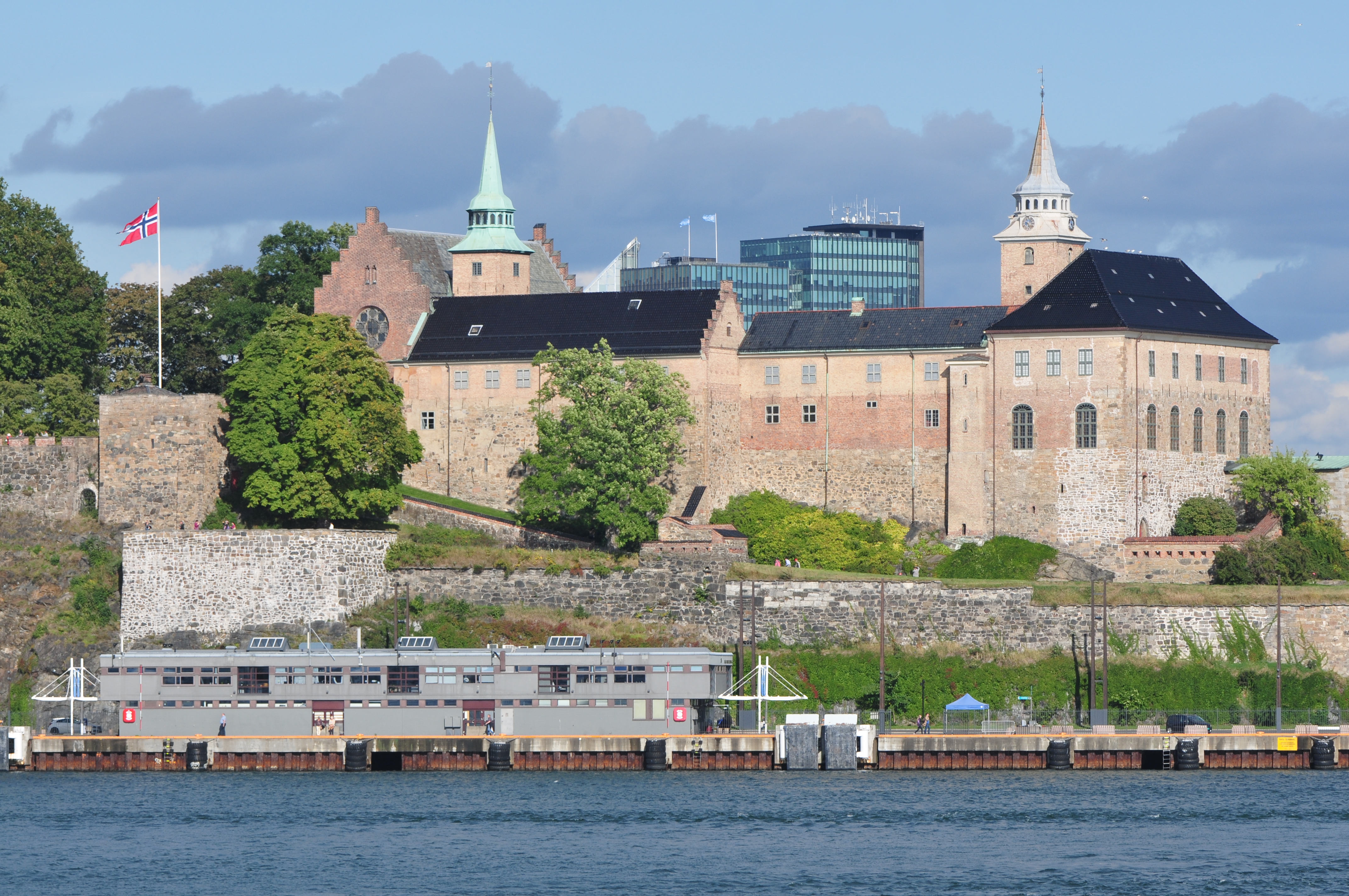
3. Akershus Fortress
Description: A medieval castle and royal residence turned military stronghold, offering panoramic views of Oslofjord. It houses museums and is a popular recreational area.
History: Construction of the fortress started in the late 13th century under King Haakon V. It has withstood numerous sieges and played a significant role in Norway’s defense throughout centuries, later also serving as a prison.
Google Maps: Akershus Fortress Location
Official Website: Akershus Fortress
Tickets: Free entry – Entrance to the fortress grounds is free. There are fees for museums within the fortress.
Opening Hours: Fortress grounds open daily. Museums have specific opening hours, typically 10:00-16:00, varying by season. Check official website for current hours.
Travel Options: A short walk from Oslo Central Station (Oslo S) or Aker Brygge. Trams 12, 13, 19 to Christiania Torv.
Nearby Restaurants:
– Festningen Restaurant: Fine dining restaurant located within the fortress walls, offering modern Norwegian cuisine with stunning views.
– SALT Art & Music: An alternative cultural venue nearby, offering street food, drinks, and a unique atmosphere.
Tips: Explore the various buildings, including Akershus Castle, the Resistance Museum, and the prison cells. The views from the ramparts are excellent for photography.
4. Oslo Opera House
Description: A stunning architectural landmark that appears to rise from the waters of the Oslofjord, home to the Norwegian National Opera and Ballet. Its sloped roof is open to the public for walking.
History: Designed by Snøhetta architects, it officially opened in 2008. It was awarded the culture award at the World Architecture Festival in Barcelona in 2008 and the Mies van der Rohe Award in 2009 for its innovative design.
Google Maps: Oslo Opera House Location
Official Website: Operahuset
Tickets: Check ticket details – Tickets required for performances and guided tours. Walking on the roof is free.
Opening Hours: Box office and visitor services typically open weekday mornings and before performances. The roof is accessible at all times. Check official website for specific hours.
Travel Options: Located right by Oslo Central Station (Oslo S), easily accessible by all public transport and walking.
Nearby Restaurants:
– Sanguine Brasserie: Located inside the Opera House, offering modern Norwegian cuisine and great views of the fjord.
– Mondo Pasta: Casual Italian spot near Oslo S, good for a quick and satisfying meal before or after a show.
Tips: Climb the roof for panoramic views of the city, the fjord, and the surrounding islands. Consider taking a guided tour to learn more about the architecture and acoustics.

5. Munch Museum
Description: A museum dedicated to the life and works of the iconic Norwegian artist Edvard Munch, featuring a vast collection of his paintings, drawings, and prints, including various versions of ‘The Scream.’
History: The original museum opened in 1963, funded by the municipality of Oslo, after Munch bequeathed his entire remaining works to the city upon his death in 1944. A new, larger museum building opened in Bjørvika in 2021, designed by Estudio Herreros.
Google Maps: Munch Museum Location
Official Website: MUNCH
Tickets: Book Tickets – Timed entry tickets are recommended, especially during peak season.
Opening Hours: Typically 10:00-18:00 or 10:00-21:00 on some days. Closed on Tuesdays during certain periods. Check official website for current hours.
Travel Options: A short walk from Oslo Central Station (Oslo S) and the Opera House in the Bjørvika district. Trams 12, 13, 19 to Bjørvika.
Nearby Restaurants:
– Tøyen Sentrum (area): Located on the 13th floor of the museum, offering Nordic-inspired dishes and stunning views over Oslo.
– Vaaghals: A modern Norwegian restaurant in Bjørvika, known for high-quality ingredients and a contemporary take on traditional cuisine.
Tips: Purchase tickets online in advance to secure your preferred entry time. Take advantage of the different exhibition floors, including temporary exhibits.

6. Fram Museum
Description: Dedicated to Norwegian polar exploration, the museum houses the actual Fram ship, which was used by explorers Fridtjof Nansen, Otto Sverdrup, and Roald Amundsen on their Arctic and Antarctic expeditions.
History: The Fram ship was built in 1892 and is renowned for its strength and ability to withstand ice pressure. It was central to three major expeditions between 1893 and 1912. The museum was opened in 1936 to preserve and display the ship.
Google Maps: Fram Museum Location
Official Website: Fram Museum
Tickets: Book Tickets – Admission fee applies. Discounts for students/seniors.
Opening Hours: Varies by season, typically 10:00-17:00 (summer) to 10:00-16:00 (winter). Check official website for current hours.
Travel Options: Located on the Bygdøy peninsula. Take bus 30 to Bygdøynes. During summer, a ferry service runs from Rådhusbrygge 3 (City Hall Pier 3).
Nearby Restaurants:
– Lofoten Fiskerestaurant: Popular seafood restaurant at Aker Brygge, accessible by ferry or short bus ride, known for fresh Norwegian fish dishes.
– Lanternen Kro & Bar: Cozy restaurant on Bygdøy, close to the museums, offering traditional Norwegian and international fare.
Tips: Explore the ship’s interior, go below deck, and experience simulated polar conditions. Combine your visit with other Bygdøy museums like the Kon-Tiki Museum for a full day of exploration.
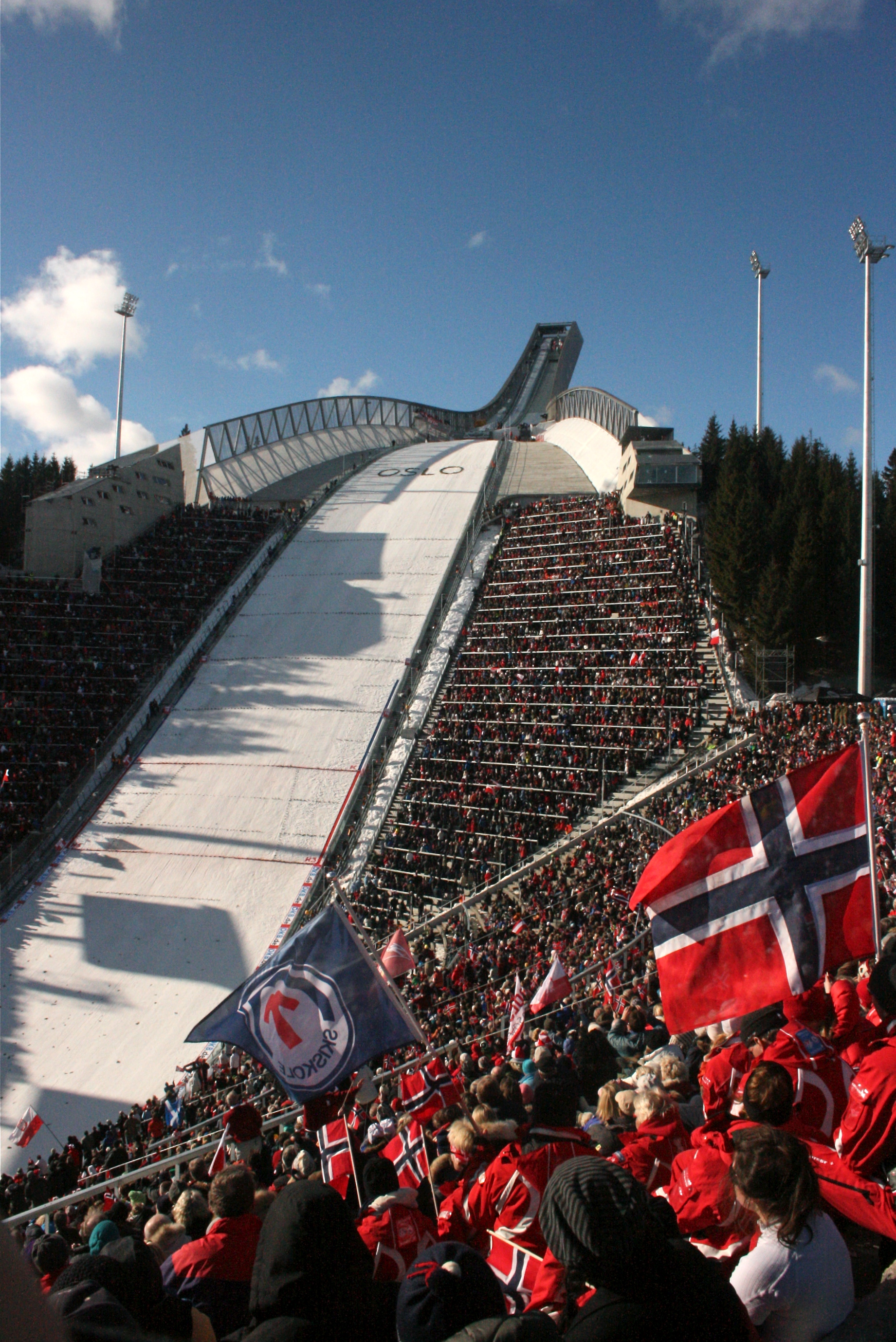
7. Holmenkollen Ski Jump and Museum
Description: An iconic and historic ski jump, a major landmark of Oslo, offering breathtaking views of the city and fjord from its top. Below the jump is the world’s oldest ski museum.
History: The first ski jump here was built in 1892. It has been rebuilt numerous times, most recently for the 2011 FIS Nordic World Ski Championships. It’s a symbol of Norway’s rich skiing heritage and a major sports arena.
Google Maps: Holmenkollen Ski Jump and Museum Location
Official Website: Holmenkollen
Tickets: Book Tickets – Admission fee for the ski jump tower viewpoint and the Ski Museum.
Opening Hours: Varies by season, generally 10:00-17:00 (winter) to 09:00-19:00 (summer). Check official website for current hours.
Travel Options: Take metro Line 1 (Frognerseteren line) to Holmenkollen station, then a short uphill walk.
Nearby Restaurants:
– Frognerseteren Restaurant: Historic restaurant offering traditional Norwegian food and stunning panoramic views, a short walk from the ski jump.
– Smia: Casual eatery in Holmenkollen area, offering pizzas and simple meals, good for families.
Tips: Take the elevator to the top of the ski jump for unparalleled views. The ski simulator offers an exciting virtual experience. Visit on a clear day for the best views.
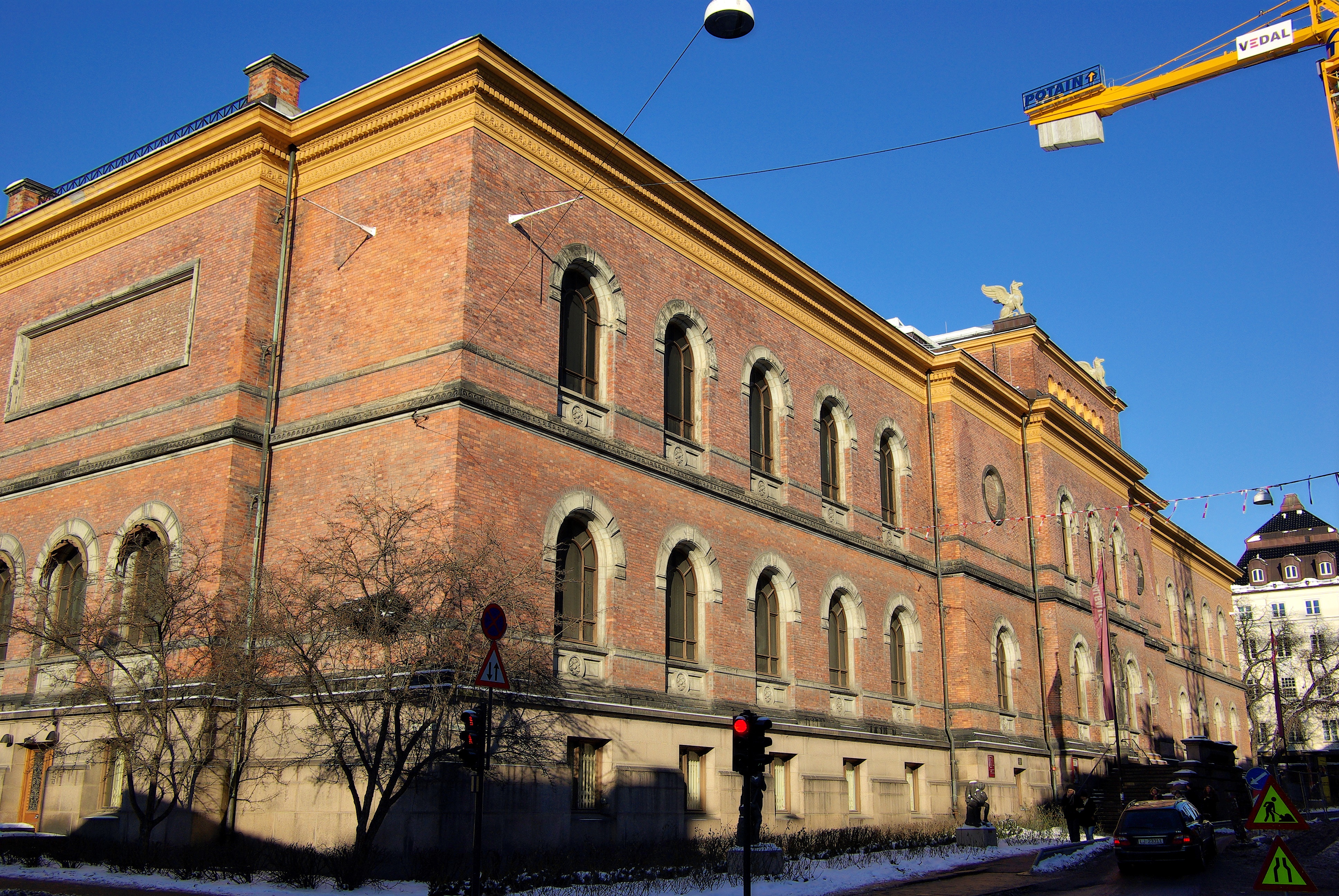
8. National Gallery
Description: Home to Norway’s largest public collection of art, spanning from antiquity to 1950. It features a significant collection of Norwegian Romantic Nationalism and works by Edvard Munch, including ‘The Scream.’
History: Established in 1842, the current building opened in 1881. It became part of the National Museum of Art, Architecture and Design in 2003. Its collection has largely been moved to the new National Museum.
Google Maps: National Gallery Location
Official Website: National Museum
Tickets: Check ticket details – Admission fee applies. Timed entry may be required for special exhibitions. Note: The majority of the collection has moved to the new National Museum, which opened in June 2022.
Opening Hours: Typically 10:00-17:00 (Thursdays until 19:00), closed Mondays. Check official website for current exhibition status and access, as the main collection is now at the new National Museum.
Travel Options: Centrally located, a short walk from Karl Johans Gate, Nationaltheatret station (metro, train, tram), and various bus stops.
Nearby Restaurants:
– Bristol Grill: Elegant dining at Hotel Bristol, known for classic European cuisine and a sophisticated atmosphere.
– Tekethai: Popular Thai restaurant nearby, offering authentic and flavorful dishes in a casual setting.
Tips: Check the National Museum’s website for the current location of the art collection, as the new National Museum has consolidated many collections into a single, grand building.

9. Karl Johans Gate
Description: Oslo’s main street, stretching from Oslo Central Station (Oslo S) to the Royal Palace. It’s a bustling hub for shopping, dining, and cultural attractions, serving as the city’s primary promenade.
History: The street was originally two separate roads. The western part (leading to the Palace) was completed in 1849, and the eastern part (Oslo S to Eidsvolls plass) in 1852. They were named after King Charles III John (Karl Johan) in 1852.
Google Maps: Karl Johans Gate Location
Official Website: Visit Oslo
Tickets: Free entry – No admission fee to walk the street; attractions along it may have fees.
Opening Hours: Always open. Shops and restaurants along the street have individual opening hours.
Travel Options: The street itself is a main transport artery. Easily accessible by all metro lines, trams, and buses at stops like Oslo S, Jernbanetorget, Stortinget, and Nationaltheatret.
Nearby Restaurants:
– Theatercafeen: Iconic Viennese-style brasserie in Hotel Continental, a classic spot for a traditional meal or late-night supper.
– Olivia Hegdehaugsveien: Popular Italian restaurant chain with a branch near the upper end of Karl Johans Gate, known for pizzas and pasta.
Tips: Take a leisurely stroll from the train station to the Palace, taking in the sights, stopping for coffee, or browsing the shops. Be mindful of crowds, especially during peak season.

10. Oslofjord and Island Hopping
Description: Explore the beautiful Oslofjord, dotted with numerous islands that are easily accessible by public ferry. It offers a refreshing escape from the city, with opportunities for swimming, hiking, and picnicking.
History: The Oslofjord has been a vital waterway for centuries, linking Oslo to the sea and serving as a crucial trade route. The islands have historical uses ranging from agriculture to military fortifications and summer retreats.
Google Maps: Oslofjord and Island Hopping Location
Official Website: Ruter (Public Transport)
Tickets: Public transport ticket – Standard Ruter public transport tickets (zones 1-4) cover the local ferries to the islands.
Opening Hours: Ferries operate year-round, with more frequent services in summer. Check Ruter website for current timetables.
Travel Options: Ferries depart from Aker Brygge or Rådhusbrygge (City Hall Pier) 3 and 4. Easily accessible by walking, tram, or bus to these piers.
Nearby Restaurants:
– Louise Restaurant & Bar: Popular seafood restaurant at Aker Brygge with outdoor seating and views of the fjord.
– The Thief Roof Grill & Bar: Stylish rooftop bar and restaurant at The Thief hotel in Aker Brygge, offering cocktails and high-end grilling with great views.
Tips: Pack a picnic and swimwear in summer. Visit islands like Hovedøya (historic monastery ruins), Lindøya (charming cabins), or Gressholmen (nature reserve) for a relaxing day.
11. Aker Brygge
Description: A vibrant waterfront district built on the site of a former shipyard, now a bustling area filled with restaurants, bars, shops, art galleries, and modern apartments. It’s a popular spot for dining and socializing.
History: From 1841 to 1982, this area was home to the Akers Mekaniske Verksted shipyard. After its closure, an ambitious redevelopment project transformed it into a modern urban quarter, with the first sections opening in 1986.
Google Maps: Aker Brygge Location
Official Website: Aker Brygge
Tickets: Free entry – Public area with no admission fee.
Opening Hours: Shops and restaurants have individual hours. The area itself is always accessible.
Travel Options: Easily walkable from the city center and Nationaltheatret station (metro, train, tram). Trams 12 to Aker Brygge stop.
Nearby Restaurants:
– Tjuvholmen Sjømagasin: Elegant seafood restaurant on the adjacent Tjuvholmen peninsula, known for fresh fish and shellfish.
– Étoile: Rooftop restaurant on The Thief hotel offering fine dining with views over the fjord and city.
Tips: Enjoy a meal or a drink on one of the many outdoor terraces, especially on a sunny day. Wander through the adjacent Tjuvholmen area to see modern architecture and art.
12. Viking Ship Museum
Description: Home to the world’s best-preserved Viking ships, excavated from royal burial mounds. The museum showcases these incredible vessels, along with artifacts and textiles from the Viking Age.
History: The three Viking ships (Oseberg, Gokstad, and Tune) date back to the 9th century and were discovered in burial mounds on Norway’s west coast. The museum opened in 1926 to house and preserve them.
Google Maps: Viking Ship Museum Location
Official Website: Museum of Cultural History
Tickets: Check ticket details – The museum is currently closed for extensive rebuilding and is expected to reopen as part of the new Museum of the Viking Age in 2026/2027. Please check the website for updates.
Opening Hours: Currently closed for rebuilding.
Travel Options: Located on the Bygdøy peninsula. Take bus 30 to Vikingskipshuset. During summer, a ferry service runs from Rådhusbrygge 3 (City Hall Pier 3).
Nearby Restaurants:
– Lanternen Kro & Bar: Cozy restaurant on Bygdøy, near the museums, offering traditional Norwegian and international fare.
– Hjemme Hos På Bygdøy: Local café and deli with sandwiches and light meals, popular with museum-goers.
Tips: Keep an eye on the Museum of Cultural History’s website for updates on the new Museum of the Viking Age, which will showcase these ships again in the future. Consider visiting other Bygdøy museums in the meantime.
13. Grünerløkka District
Description: A bohemian and trendy neighborhood known for its independent boutiques, vintage shops, lively cafes, bars, and diverse restaurants. It’s a popular area for young people and artists.
History: Once a working-class district with industrial roots along the Akerselva river, Grünerløkka underwent significant urban renewal in the late 20th century. It has transformed into one of Oslo’s most desirable and vibrant residential and cultural areas.
Google Maps: Grünerløkka District Location
Official Website: Visit Oslo
Tickets: Free entry – No admission fee to explore the district.
Opening Hours: Shops and restaurants have individual hours; the district is always open.
Travel Options: Take tram 11, 12, 13, 17 to Birkelunden, Olaf Ryes Plass, or Grünerløkka stops. Buses also serve the area.
Nearby Restaurants:
– Bass: Trendy restaurant in Grünerløkka focused on seasonal ingredients and a tasting menu experience.
– Mucho Mas: Popular and lively Mexican restaurant, known for its burritos, tacos, and margaritas.
Tips: Explore the parks like Birkelunden and Sofienbergparken. Visit on a Sunday to experience the flea market at Birkelunden, which offers unique finds.
14. Oslo City Hall
Description: An imposing brick building recognizable by its two prominent towers, where the Nobel Peace Prize ceremony takes place annually. The interior features significant Norwegian art and murals depicting Norwegian history and culture.
History: The construction of the City Hall began in 1931 but was interrupted by World War II, finally being completed and inaugurated in 1950. It was designed by architects Arnstein Arneberg and Magnus Poulsson.
Google Maps: Oslo City Hall Location
Official Website: Oslo kommune
Tickets: Free entry – Entrance to the main hall and some exhibition rooms is free, except during private events.
Opening Hours: Typically open Monday-Friday 09:00-16:00. Check official website for current public access times, especially around the Nobel Peace Prize ceremony in December.
Travel Options: Located centrally at Rådhusplassen, easily walkable from Aker Brygge and Nationaltheatret station. Trams 12, 13, 19 to Rådhusplassen.
Nearby Restaurants:
– Stortorvets Gjæstgiveri: Historic inn near the City Hall, offering traditional Norwegian food in a charming, old-world setting.
– Mother India: Popular Indian restaurant in the city center, known for its authentic flavors and extensive menu.
Tips: Don’t just admire the exterior; go inside to see the grand hall and other public areas, which are filled with impressive murals and artworks depicting Norwegian history and sagas.
15. Norsk Folkemuseum (Norwegian Museum of Cultural History)
Description: One of the world’s oldest and largest open-air museums, showcasing Norwegian cultural history from the Middle Ages to the present. It features over 160 buildings, including a reconstructed Stave Church.
History: Founded in 1894, the museum moved to its current location on Bygdøy in 1901. It systematically collected and relocated buildings from various regions of Norway to create an immersive experience of historical life and architecture.
Google Maps: Norsk Folkemuseum (Norwegian Museum of Cultural History) Location
Official Website: Norsk Folkemuseum
Tickets: Book Tickets – Admission fee applies. Discounts available for students and seniors.
Opening Hours: Varies by season, typically 10:00-17:00 (summer) and 11:00-16:00 (winter), with outdoor areas having different access. Check official website for current hours.
Travel Options: Located on the Bygdøy peninsula. Take bus 30 to Folkemuseet. During summer, a ferry service runs from Rådhusbrygge 3 (City Hall Pier 3).
Nearby Restaurants:
– Café Arkaden: Museum café offering light meals, pastries, and coffee, located within the museum grounds.
– Godt Brød Bygdøy Allé: Organic bakery and cafe, a short bus ride away, offering fresh sandwiches and baked goods.
Tips: Allocate at least 3-4 hours to explore the vast outdoor area. Check the daily program for guided tours, craft demonstrations, and cultural events, especially in summer.
16. Sognsvann Lake
Description: A popular freshwater lake located north of Oslo, surrounded by forests. It’s a favorite recreational spot for locals, offering opportunities for swimming, hiking, jogging, and cross-country skiing in winter.
History: The lake has been a significant recreational area for Oslo’s residents for generations. Its clear waters and accessible location have made it a natural escape into the Nordic wilderness, serving as a popular outdoor destination.
Google Maps: Sognsvann Lake Location
Official Website: Visit Oslo
Tickets: Free entry – Free access to the lake and surrounding area.
Opening Hours: Always open.
Travel Options: Take metro Line 5 (Sognsvann line) to Sognsvann station, the last stop. The lake is a short walk from the station.
Nearby Restaurants:
– Sognsvann Kafé: Small kiosk/café by the lake, offering simple snacks, coffee, and ice cream during warmer months.
– Peppes Pizza Ullevål: Casual pizza chain restaurant, a few metro stops away, good for families and a quick meal.
Tips: Bring appropriate gear for the season (swimsuit in summer, proper footwear for hiking). Remember to take all your trash with you to preserve the natural beauty.
17. Astrup Fearnley Museum of Modern Art
Description: A privately owned museum dedicated to contemporary art, housed in a striking building designed by Renzo Piano on the Tjuvholmen peninsula. It features a permanent collection and rotating exhibitions.
History: Established in 1993, the museum moved to its iconic new building in 2012. It holds one of Norway’s most significant collections of contemporary art, with a focus on American and international works from the 1980s onwards.
Google Maps: Astrup Fearnley Museum of Modern Art Location
Official Website: Astrup Fearnley Museet
Tickets: Book Tickets – Admission fee applies. Online booking is recommended.
Opening Hours: Typically Tuesday-Wednesday 12:00-17:00, Thursday 12:00-19:00, Friday-Sunday 11:00-17:00. Closed Mondays. Check official website for current hours.
Travel Options: Located at Tjuvholmen, a short walk from Aker Brygge and Nationaltheatret station. Trams 12 to Aker Brygge.
Nearby Restaurants:
– Vesle Skur 39: Cozy café and bistro located in the same building as the museum, offering light meals and coffee with views of the fjord.
– Lofoten Fiskerestaurant: Popular seafood restaurant at Aker Brygge, known for fresh Norwegian fish dishes and a vibrant atmosphere.
Tips: Take time to explore the unique architecture of the building and the surrounding Tjuvholmen Sculpture Park, which features several outdoor artworks.
18. Botanical Garden
Description: A beautiful and diverse garden managed by the Natural History Museum at the University of Oslo, featuring various collections of plants, including a systematic garden, an arboretum, and greenhouses.
History: Established in 1814, the Botanical Garden is Oslo’s oldest scientific collection. It has served as a center for research, conservation, and public education about plant diversity, particularly species from northern and mountainous regions.
Google Maps: Botanical Garden Location
Official Website: Natural History Museum
Tickets: Free entry – Entrance to the outdoor areas of the garden is free. There might be an entrance fee for special exhibitions or events in the greenhouses.
Opening Hours: Outdoor garden always open. Greenhouses typically 10:00-17:00 (weekdays) and 11:00-17:00 (weekends), varying by season. Check official website for current hours.
Travel Options: Located in the Tøyen district. Take metro lines 1, 2, 3, 4, 5 to Tøyen station, then a short walk. Buses 20, 31 also stop nearby.
Nearby Restaurants:
– Handwerk Botaniske: Bakery and café located inside the botanical garden, known for its artisanal bread, pastries, and coffee.
– Kampen Bistro: Charming neighborhood bistro in nearby Kampen, offering French-inspired dishes and a cozy atmosphere.
Tips: Explore the Victorian-era Palm House and the Arctic Alpine Botanical Garden. It’s a peaceful retreat, especially on a sunny day, and offers educational insights into plant life.
19. Mathallen Oslo
Description: An indoor food hall inspired by European markets, offering a wide array of high-quality Norwegian and international foods, specialized delicatessens, restaurants, and cafes.
History: Opened in 2012, Mathallen is located in the revitalized Vulkan district, a former industrial area by the Akerselva River. It quickly became a popular culinary destination, emphasizing local produce and artisanal goods.
Google Maps: Mathallen Oslo Location
Official Website: Mathallen
Tickets: Free entry – Free to enter and browse; food and drink purchases are separate.
Opening Hours: Typically Tuesday-Wednesday 10:00-19:00, Thursday-Friday 10:00-20:00, Saturday 10:00-18:00, Sunday 10:00-17:00. Closed Mondays. Check official website for current hours.
Travel Options: Located in the Vulkan area, easily walkable from Grünerløkka. Buses 34, 54 to Telthusbakken or Møllerveien.
Nearby Restaurants:
– Smelteverket: Largest bar and restaurant in Mathallen, known for its craft beer selection, burgers, and live music.
– Via Italia: Italian deli and restaurant within Mathallen, offering authentic pasta, pizza, and Italian specialties.
Tips: Go hungry and try a variety of dishes from different vendors. It’s a great spot for lunch or an informal dinner, offering diverse culinary experiences.
20. Ekebergparken Sculpture Park
Description: A unique sculpture and national heritage park combining contemporary art, natural beauty, and historical remnants, all with spectacular views over Oslofjord and the city.
History: The area has a rich history, with ancient rock carvings and archaeological finds dating back to the Stone Age. The modern sculpture park opened in 2013, funded by Norwegian philanthropist Christian Ringnes, aiming to blend art into the natural landscape.
Google Maps: Ekebergparken Sculpture Park Location
Official Website: Ekebergparken
Tickets: Free entry – Free access to the park and sculptures.
Opening Hours: Park is open 24 hours a day, year-round. Some indoor facilities like the visitor center may have limited hours.
Travel Options: Take tram 13, 19 to Ekebergparken stop, then a short walk uphill. Buses 34, 74 also stop nearby.
Nearby Restaurants:
– Ekebergrestauranten: Iconic restaurant with stunning views of Oslo, offering fine dining with a focus on seasonal Norwegian ingredients.
– Skatteøya (The Treasure Island): Family-friendly restaurant and cafe within the park, serving casual meals and snacks.
Tips: Wear comfortable walking shoes, as the park covers a large, hilly area. Allow several hours to explore the diverse artworks and enjoy the sweeping views.
AI Travel Tools