

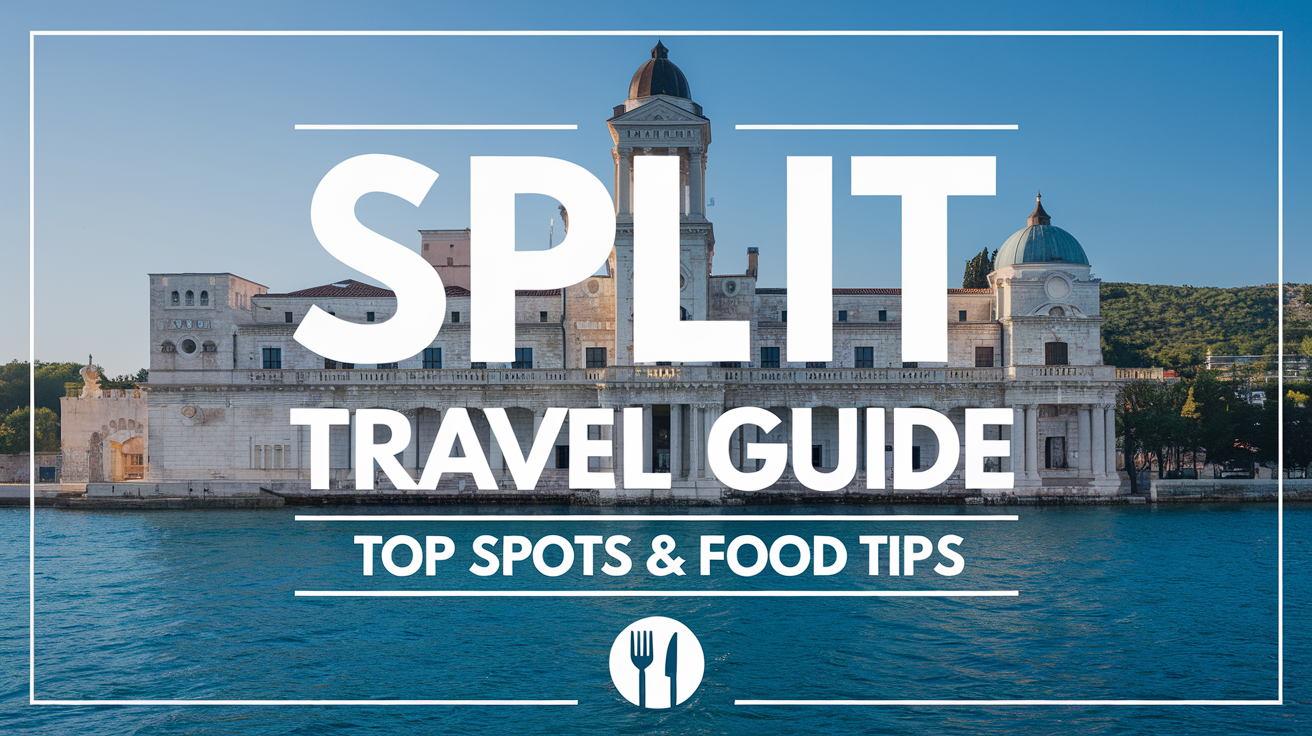
Split, Croatia, a city where ancient history meets vibrant modern life, is a treasure trove of cultural and natural beauty. From the UNESCO-listed Diocletian’s Palace, an ancient Roman marvel that forms the living heart of the city, to breathtaking beaches and scenic viewpoints, Split offers an unforgettable experience for every traveler. This comprehensive guide highlights the top 20 must-visit attractions, providing all the essential details to help you navigate and make the most of your journey through this stunning Adriatic gem.
1. Diocletian’s Palace
Description: The ancient core of Split, a sprawling palace complex built by Roman Emperor Diocletian. A UNESCO World Heritage site, it’s a living monument with shops, restaurants, and homes nestled within its ancient walls, offering a unique blend of history and daily life.
History: Construction began in 295 AD as a retirement residence for Emperor Diocletian. After his death, it became a shelter for refugees, eventually evolving into the vibrant city center it is today.
Google Maps: Diocletian’s Palace Location
Official Website: Split Tourist Board
Tickets: Free entry – The palace complex is free to wander. Specific attractions within (e.g., cellars, Jupiter’s Temple) require tickets.
Opening Hours: Always open as it is a living part of the city. Individual attractions within have specific operating hours; check their respective websites.
Travel Options: Centrally located and easily explored on foot from anywhere in the city center. Many local buses connect to areas surrounding the palace.
Nearby Restaurants:
– Konoba Fetivi: Known for traditional Dalmatian cuisine in a cozy setting.
– Bokeria Kitchen & Wine Bar: A popular spot for modern Mediterranean dishes and an extensive wine list.
Tips: Wear comfortable shoes to navigate the cobbled streets. Explore the labyrinthine alleys early in the morning or late in the evening to avoid crowds.
2. Riva Promenade
Description: Split’s iconic waterfront promenade, a bustling pedestrian area lined with palm trees, cafes, and shops. It’s the city’s main social hub, perfect for a stroll, people-watching, or enjoying a coffee with sea views.
History: While the area has always been a waterfront, the modern Riva Promenade with its current layout and amenities was largely developed in the early 21st century, transforming it into a contemporary public space.
Google Maps: Riva Promenade Location
Official Website: Split Tourist Board
Tickets: Free entry – Free access to the promenade.
Opening Hours: Always open.
Travel Options: Easily accessible on foot from Diocletian’s Palace and other central areas. Many local bus lines terminate or pass near the Riva.
Nearby Restaurants:
– Brasserie on 7: Offers fresh seafood and international dishes with excellent views of the harbor.
– Dvor: An elegant restaurant with a beautiful garden and sea views, known for its creative Mediterranean cuisine.
Tips: Grab a bench and watch the sunset over the Adriatic Sea. It’s also a prime spot for observing local life and public events.
3. Saint Domnius Cathedral and Bell Tower
Description: Located within Diocletian’s Palace, this unique cathedral was originally Emperor Diocletian’s mausoleum. Its impressive bell tower offers panoramic views of Split and the surrounding islands.
History: Built in the 4th century as Diocletian’s Mausoleum, it was converted into a Christian cathedral in the 7th century, making it one of the oldest active cathedrals in the world. The bell tower was constructed between the 13th and 16th centuries.
Google Maps: Saint Domnius Cathedral and Bell Tower Location
Official Website: Split Archdiocese
Tickets: Check ticket details – Tickets are required to enter the Cathedral, Crypt, Treasury, and climb the Bell Tower. Combination tickets are often available.
Opening Hours: Check official website for current hours, as they vary seasonally and for religious services.
Travel Options: Situated in the heart of Diocletian’s Palace, it is only accessible on foot.
Nearby Restaurants:
– Konoba Korta: A traditional eatery offering authentic Dalmatian dishes and fresh seafood.
– Portofino: Serves Italian and Mediterranean cuisine in a charming setting near the Peristyle.
Tips: Climbing the bell tower involves narrow, steep steps but rewards visitors with breathtaking 360-degree views of Split. Go early to avoid queues.
4. Marjan Hill
Description: A forested park peninsula offering a natural escape from the city bustle. It features walking trails, viewpoints with spectacular panoramas, ancient churches, and secluded beaches, making it ideal for recreation and relaxation.
History: Marjan has been a protected natural area for centuries, serving as a spiritual retreat and a source of fresh air for Split residents. It’s home to numerous hermitages and chapels dating back to the medieval period.
Google Maps: Marjan Hill Location
Official Website: Split Tourist Board
Tickets: Free entry – Free access to the park and its trails.
Opening Hours: Always open.
Travel Options: Accessible by foot from the city center (a pleasant uphill walk), local bus route 12 reaches parts of the hill, or by taxi.
Nearby Restaurants:
– Konoba Marjan: Located near the lower slopes, known for traditional Dalmatian fare and grilled meats.
– Teraca Vidilica: A cafe and restaurant at one of the main viewpoints, offering drinks, snacks, and incredible views.
Tips: Bring water and comfortable shoes if planning a longer hike. The first viewpoint (‘Vidilica’) is easily accessible and offers classic postcard views of Split.
5. Bacvice Beach
Description: Split’s most famous city beach, known for its shallow, sandy bottom and vibrant atmosphere. It’s the birthplace of ‘Picigin,’ a unique local ball game played in the shallow water.
History: Bacvice has been a popular bathing spot for locals for over a century, evolving with the city to become a well-loved urban beach destination.
Google Maps: Bacvice Beach Location
Official Website: Split Tourist Board
Tickets: Free entry – Free access to the public beach.
Opening Hours: Always open.
Travel Options: Approximately a 15-minute walk from the city center. Also accessible by local bus or taxi.
Nearby Restaurants:
– Oštarija U Viđakovih: A short walk from the beach, serving traditional Croatian dishes, especially seafood.
– Dvor: While a bit further, it offers an upscale dining experience with a beautiful garden and sea views.
Tips: Can get crowded during peak season. Look out for locals playing Picigin, it’s a fascinating cultural insight. Ideal for families due to the shallow water.
6. Jupiter’s Temple
Description: A small, remarkably preserved Roman temple dedicated to Jupiter, located within Diocletian’s Palace. It showcases impressive Roman architecture and features a headless sphinx at its entrance.
History: Built in the 4th century as part of Diocletian’s Palace, it was later converted into a baptistery during the early Christian period.
Google Maps: Jupiter’s Temple Location
Official Website: Split Tourist Board
Tickets: Check ticket details – A small entrance fee is required. Often included in a combined ticket with the Cathedral and Bell Tower.
Opening Hours: Check official website or local signage for current operating hours, as they vary seasonally.
Travel Options: Located within Diocletian’s Palace, accessible only on foot.
Nearby Restaurants:
– Pizzeria Portas: A convenient option for pizza and casual dining right near the palace gates.
– Uje Oil Bar: Specializes in Dalmatian tapas and local olive oil, a short walk away.
Tips: Admire the intricate barrel vault inside. The headless sphinx at the entrance adds to its ancient mystique.
7. Mestrovic Gallery
Description: A museum dedicated to the works of Ivan Meštrović, Croatia’s most renowned sculptor. Housed in his former residence and studio, it features a comprehensive collection of his sculptures, drawings, and architecture.
History: The building was designed by Meštrović himself and constructed between 1931 and 1939 as his family home and workplace. He later donated it, along with his artworks, to the Croatian people.
Google Maps: Mestrovic Gallery Location
Official Website: Mestrovic Gallery Official Site
Tickets: Book Tickets – Tickets can be purchased on-site. Check website for current prices.
Opening Hours: Check official website for current operating hours, as they vary seasonally and by day (often closed Mondays).
Travel Options: Accessible by local bus (e.g., lines 12 or 21) from the city center, or a pleasant 25-30 minute walk along the coast from the Riva.
Nearby Restaurants:
– Trattoria Pizzeria Kumbija: Offers casual Italian and Croatian dishes in a relaxed setting nearby.
– Konoba Fetivi: Though a bit further towards the city center, it’s a highly recommended spot for traditional Dalmatian food.
Tips: Take time to explore the beautiful sculpture garden with sea views. Combine a visit here with a walk to Kasjuni Beach.
8. Split City Museum
Description: Housed in the magnificent Gothic Papalić Palace within Diocletian’s Palace, this museum chronicles the history and cultural development of Split, from ancient times to the present day.
History: Established in 1946, the museum moved into the Papalić Palace in 1952. The palace itself dates back to the 15th century, offering a historical backdrop to the exhibits.
Google Maps: Split City Museum Location
Official Website: Split City Museum Official Site
Tickets: Check ticket details – Tickets required. Check website for current prices and any combination offers.
Opening Hours: Check official website for current operating hours, as they vary seasonally (often closed Mondays).
Travel Options: Located within Diocletian’s Palace, accessible only on foot.
Nearby Restaurants:
– Konoba Korta: A traditional restaurant serving classic Dalmatian dishes, a short walk from the museum.
– Mazzgoon: Offers modern Mediterranean cuisine in a stylish setting near the Silver Gate.
Tips: Pay attention to the architecture of the Papalić Palace itself, as it’s an important part of the city’s heritage. A good place to gain context before exploring the palace further.
9. Peristyle Square
Description: The central court of Diocletian’s Palace, an impressive Roman colonnaded square that served as the main public space. It’s often bustling with tourists and hosts cultural events.
History: As the original central courtyard of Diocletian’s Palace, it dates back to the 4th century AD. It served as the emperor’s ceremonial entrance and a public gathering place.
Google Maps: Peristyle Square Location
Official Website: Split Tourist Board
Tickets: Free entry – Free access to the square. Special events may require tickets.
Opening Hours: Always open.
Travel Options: Located in the heart of Diocletian’s Palace, accessible only on foot.
Nearby Restaurants:
– Luxor: A cafe and bar directly on the Peristyle, famous for letting guests sit on ancient steps for drinks (check availability).
– Villa Spiza: A small, authentic eatery known for fresh, daily-changing traditional dishes.
Tips: Visit early in the morning for fewer crowds and better photos. Experience an evening ‘Changing of the Guard’ if available during tourist season, and sit on the steps for a unique atmosphere.
10. Green Market (Pazar)
Description: A lively open-air market located just outside the eastern gate of Diocletian’s Palace. It’s a colorful hub where locals buy fresh produce, local cheeses, olives, cured meats, and other regional specialties.
History: The Pazar has been Split’s primary open-air market for generations, continuing a long tradition of trade and local commerce in the city.
Google Maps: Green Market (Pazar) Location
Official Website: Split Tourist Board
Tickets: Free entry – Free to enter and browse.
Opening Hours: Generally open daily from early morning until early afternoon, with peak hours in the morning.
Travel Options: Located just outside the Silver Gate of Diocletian’s Palace, easily accessible on foot from the city center.
Nearby Restaurants:
– Konoba Varos: A classic Dalmatian restaurant renowned for its traditional cuisine and hearty portions.
– Pizzeria Galija: One of Split’s oldest pizzerias, a local favorite for casual Italian fare.
Tips: Go early for the freshest produce and best selection. It’s a great place to experience local life and pick up some delicious local snacks.
11. Gregory of Nin Statue
Description: A monumental bronze statue by Ivan Meštrović, depicting Gregory of Nin, a 10th-century Croatian bishop. It stands near the Golden Gate of Diocletian’s Palace and is a symbol of Croatian national pride.
History: Erected in 1929, the statue commemorates Bishop Gregory of Nin, who championed the use of the Croatian language in religious services against the Latin hierarchy in the 10th century.
Google Maps: Gregory of Nin Statue Location
Official Website: Split Tourist Board
Tickets: Free entry – Free public access.
Opening Hours: Always open.
Travel Options: Located just outside the Golden Gate of Diocletian’s Palace, easily accessible on foot.
Nearby Restaurants:
– Pizzeria Bokamorra: Known for its exquisite Neapolitan-style pizzas and stylish ambiance.
– Konoba Korta: A traditional eatery offering authentic Dalmatian dishes, a short walk away.
Tips: Rub the statue’s polished toe for good luck, a popular tradition among visitors.
12. Froggyland
Description: A quirky and unique museum showcasing over 500 taxidermied frogs engaged in human-like activities. The dioramas depict various scenes from daily life, from school lessons to circuses, all meticulously crafted.
History: The collection was amassed over decades by Hungarian taxidermist Ferenc Mere, who spent many years perfecting his unique craft. The museum opened in Split to share this unusual art form.
Google Maps: Froggyland Location
Official Website: Froggyland Official Site
Tickets: Check ticket details – Tickets required. Check website for current prices.
Opening Hours: Check official website for current operating hours, as they vary seasonally.
Travel Options: Located near the Riva promenade, easily accessible on foot from the city center.
Nearby Restaurants:
– Zinfandel Food & Wine Bar: Offers modern Croatian cuisine with an emphasis on local ingredients and an excellent wine selection.
– Pandora Greenbox: A popular choice for delicious vegan and vegetarian dishes.
Tips: This eccentric museum is a fun and lighthearted stop, particularly enjoyable for families or those looking for something truly unique.
13. Archaeological Museum
Description: Croatia’s oldest museum, established in 1821. It houses an extensive collection of artifacts from Dalmatia’s ancient past, including Roman, Greek, and early Christian periods, with a particular focus on the nearby ancient city of Salona.
History: Founded in 1821, the museum’s collection grew significantly with discoveries from Salona and other archaeological sites, requiring the construction of its current purpose-built edifice in 1914.
Google Maps: Archaeological Museum Location
Official Website: Archaeological Museum Split Official Site
Tickets: Check ticket details – Tickets required. Check website for current prices and temporary exhibitions.
Opening Hours: Check official website for current operating hours, as they vary seasonally (often closed Mondays).
Travel Options: Approximately a 15-20 minute walk from the city center, or accessible by local bus (e.g., line 1) from the Riva.
Nearby Restaurants:
– Konoba Nikola: Though a bit further out, it’s highly praised for its authentic Dalmatian seafood and welcoming atmosphere.
– Restoran Re di Mare: Offers Mediterranean cuisine in a casual setting near the harbor.
Tips: Essential for history enthusiasts, especially if planning a visit to the ancient ruins of Salona, as it provides excellent context.
14. Croatian National Theatre
Description: An important cultural institution in Split, showcasing a diverse program of drama, opera, and ballet. The beautiful historic building itself is a landmark.
History: Built in 1893, the theatre has been a cornerstone of Split’s cultural life for over a century, undergoing renovations and expansions to maintain its grandeur.
Google Maps: Croatian National Theatre Location
Official Website: Croatian National Theatre Split
Tickets: Book Tickets – Tickets are required for performances. Check website for program and booking details.
Opening Hours: Box office hours vary; check the official website for performance schedules.
Travel Options: Approximately a 10-minute walk from the city center. Easily accessible on foot or by local bus.
Nearby Restaurants:
– O’zlata: Offers modern Croatian cuisine with a focus on fresh, seasonal ingredients.
– Konoba Marjan: A bit further but a great option for traditional Dalmatian grilled dishes.
Tips: Even if not attending a performance, admire the beautiful exterior architecture. Consider checking the schedule for a unique cultural experience.
15. People’s Square (Pjaca)
Description: Split’s historic main public square outside Diocletian’s Palace. Lined with beautiful old buildings, including the Renaissance City Hall and the Romanesque clock tower, it’s a vibrant hub for cafes and social gatherings.
History: Developed outside the western walls of Diocletian’s Palace in the Middle Ages, Pjaca became the city’s main public square and administrative center.
Google Maps: People’s Square (Pjaca) Location
Official Website: Split Tourist Board
Tickets: Free entry – Free public access.
Opening Hours: Always open.
Travel Options: Centrally located and easily accessible on foot from Diocletian’s Palace and the Riva.
Nearby Restaurants:
– Central Caffe: A classic café directly on the square, perfect for coffee and people-watching.
– Bobis: A popular local bakery and patisserie offering a wide selection of cakes, pastries, and ice cream.
Tips: Admire the old clock tower and the Renaissance architecture. It’s a great spot to relax at a cafe and soak in the atmosphere.
16. Kasjuni Beach
Description: A stunning pebble beach located on the southern slopes of Marjan Hill. Known for its crystal-clear turquoise waters and beautiful natural surroundings, it offers a more relaxed and upscale beach experience than city beaches.
History: A natural beach that has become increasingly popular in recent years, with some modern amenities and beach clubs added to enhance the visitor experience.
Google Maps: Kasjuni Beach Location
Official Website: Split Tourist Board
Tickets: Free entry – Free access to the public beach. Sun loungers and umbrellas may be rented.
Opening Hours: Always open.
Travel Options: Accessible by local bus (line 12 from Riva), taxi, or a scenic walk/bike ride around Marjan Hill.
Nearby Restaurants:
– Joe’s Beach Lounge & Bar: Located directly on the beach, offering drinks, snacks, and light meals in a chic setting.
– Konoba Marjan: A bit further towards the city, known for traditional Dalmatian fare.
Tips: It’s generally less crowded than Bacvice. The water is incredibly clear, making it great for swimming and snorkeling. Paid parking is available.
17. Firule Beach
Description: A popular neighborhood beach known for its sandy, shallow waters, making it an excellent choice for families with small children. It’s a beloved local spot for swimming and sunbathing.
History: Firule has long served as a cherished local beach, offering a more relaxed atmosphere compared to some of Split’s more bustling coastal areas.
Google Maps: Firule Beach Location
Official Website: Split Tourist Board
Tickets: Free entry – Free access to the public beach.
Opening Hours: Always open.
Travel Options: Approximately a 20-25 minute walk from the city center, or accessible by local bus.
Nearby Restaurants:
– Oštarija U Viđakovih: A short walk from Firule, offering traditional Croatian and seafood dishes.
– Restoran Kadena: An upscale option with beautiful sea views, known for its refined Mediterranean cuisine (a bit further away).
Tips: The very shallow waters extend far out, making it ideal for toddlers and young children. It’s a good alternative to Bacvice if you prefer a quieter sandy beach.
18. Klis Fortress
Description: A magnificent medieval fortress perched on a rocky outcrop, offering breathtaking panoramic views of Split, the Adriatic Sea, and the surrounding islands. It’s historically significant and a ‘Game of Thrones’ filming location (Meereen).
History: With roots tracing back over two millennia, Klis Fortress served as a vital strategic stronghold, particularly during the Ottoman Wars where it played a crucial role in defending the region.
Google Maps: Klis Fortress Location
Official Website: Klis Tourist Board
Tickets: Book Tickets – Tickets required for entry. Check website for current prices.
Opening Hours: Check official website for current operating hours, as they vary seasonally.
Travel Options: Best reached by car (approx. 20-30 minute drive from Split), taxi, or local bus (line 22 from Split’s National Theatre).
Nearby Restaurants:
– Konoba Poljicka vrata: Offers traditional Croatian cuisine and stunning views from its terrace near the fortress.
– Restoran Perlica: A local, family-run restaurant known for its hearty, authentic dishes.
Tips: Allocate a few hours for your visit. Wear comfortable shoes suitable for uneven surfaces and climbing. The views alone are worth the trip.
19. Fruit Square (Trg Brace Radic)
Description: A charming historic square located near the Riva and Diocletian’s Palace, named for its past as a bustling fruit market. It’s characterized by its Venetian and Renaissance architecture, including the Milesi Palace and a statue of Marko Marulić.
History: Once a lively market place where farmers sold their produce, the square evolved into a significant urban space displaying the architectural influences of Venetian rule.
Google Maps: Fruit Square (Trg Brace Radic) Location
Official Website: Split Tourist Board
Tickets: Free entry – Free public access.
Opening Hours: Always open.
Travel Options: Centrally located and easily accessible on foot from Diocletian’s Palace and the Riva.
Nearby Restaurants:
– Zinfandel Food & Wine Bar: Offers modern Croatian cuisine with an emphasis on local ingredients, a short walk away.
– Konoba Korta: A traditional eatery offering authentic Dalmatian dishes, also nearby.
Tips: Admire the octagonal Venetian tower and the beautiful Milesi Palace. The statue of Marko Marulić, the ‘father of Croatian literature’, is a notable feature.
20. Ethnographic Museum
Description: Showcasing the rich cultural heritage and traditional life of Dalmatia, this museum features an extensive collection of folk costumes, jewelry, tools, and handicrafts. It’s uniquely housed within the former imperial apartments of Diocletian’s Palace.
History: Established in 1910, the museum moved to its current location in the southeastern part of Diocletian’s Palace, occupying part of the former imperial apartments, giving it a distinctive setting.
Google Maps: Ethnographic Museum Location
Official Website: Ethnographic Museum Split Official Site
Tickets: Check ticket details – Tickets required. Check website for current prices and temporary exhibitions.
Opening Hours: Check official website for current operating hours, as they vary seasonally (often closed Mondays).
Travel Options: Located within Diocletian’s Palace, accessible only on foot.
Nearby Restaurants:
– Mazzgoon: Offers modern Mediterranean cuisine in a stylish setting near the Silver Gate.
– Villa Spiza: A small, authentic eatery known for fresh, daily-changing traditional dishes, a short walk away.
Tips: Climb to the rooftop terrace for a unique view over the palace roofs and the city. It offers a fascinating glimpse into the everyday life of past generations in Dalmatia.
AI Travel Tools