
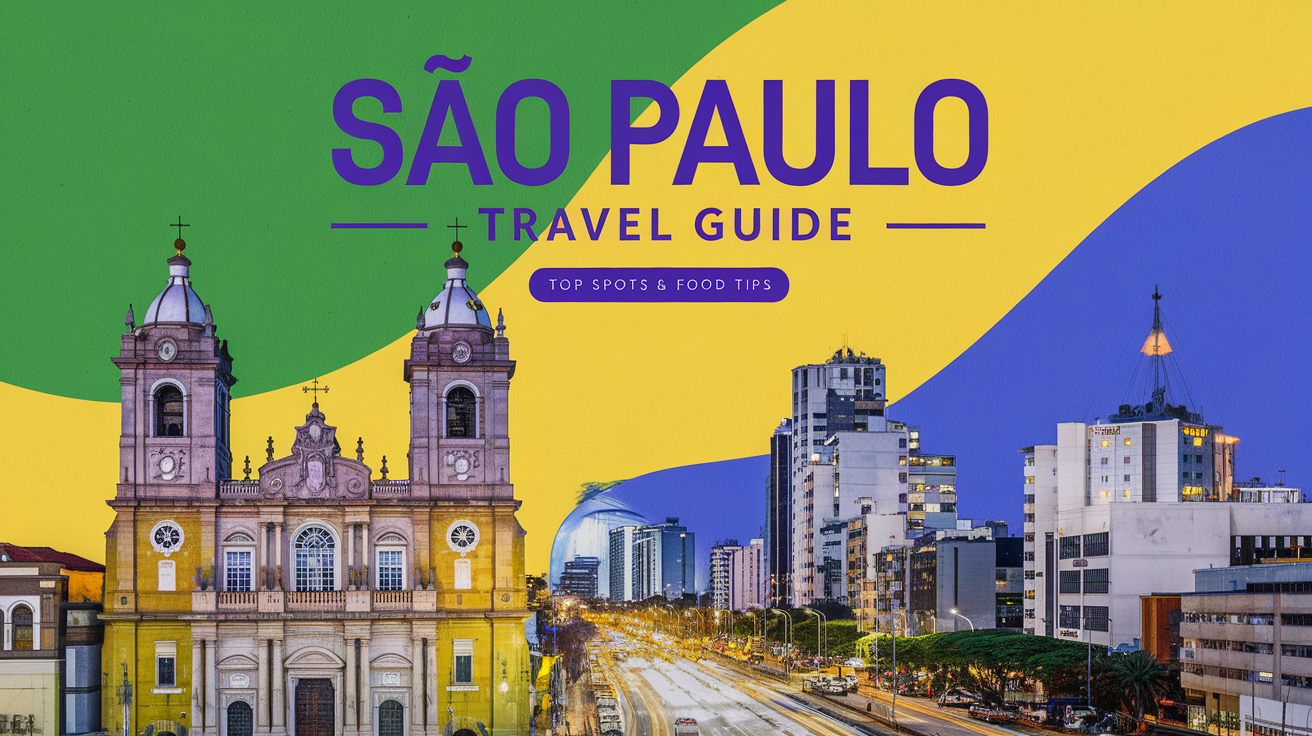
Welcome to São Paulo, Brazil’s vibrant and sprawling metropolis, a city that never sleeps and always offers something new to discover. From iconic avenues and lush parks to world-class museums and bustling markets, this guide curates the top 20 must-visit attractions, ensuring you experience the rich culture, history, and dynamism of one of the world’s most exciting urban centers.

1. Avenida Paulista
Description: São Paulo’s most iconic and bustling avenue, a major financial and cultural hub. Lined with museums, cultural centers, parks, and historic buildings, it transforms into a pedestrian-friendly space on Sundays.
History: Inaugurated in 1891, Avenida Paulista was originally home to São Paulo’s coffee barons. Over the decades, it evolved from an aristocratic residential street to a commercial and cultural artery, reflecting the city’s rapid development.
Google Maps: Avenida Paulista Location
Tickets: Free entry – Public street access is free.
Opening Hours: 24/7 (street access), individual establishments have their own hours.
Travel Options: Metro (Consolação, Trianon-Masp, Brigadeiro stations), numerous bus lines.
Nearby Restaurants:
– Restaurante Fasano: High-end Italian cuisine, renowned for its sophisticated ambiance.
– Templo da Carne Marcos Bassi: Traditional Brazilian steakhouse famous for its premium cuts.
Tips: Visit on Sundays when the avenue is closed to vehicles, allowing pedestrians and cyclists to enjoy street performers, markets, and cultural activities.

2. Ibirapuera Park (Parque do Ibirapuera)
Description: São Paulo’s largest and most important urban park, offering a vast green space for leisure, sports, and culture. It houses museums, an auditorium, and various recreational facilities.
History: Opened in 1954 to commemorate São Paulo’s 400th anniversary, the park’s design was significantly influenced by landscape architect Roberto Burle Marx and architect Oscar Niemeyer, featuring several iconic buildings.
Google Maps: Ibirapuera Park (Parque do Ibirapuera) Location
Official Website: Parque Ibirapuera
Tickets: Free entry – Park entry is free; some internal attractions may charge a fee.
Opening Hours: Typically 5 AM – Midnight. Check official website for current hours.
Travel Options: Bus (numerous lines), walk from nearby metro stations (e.g., AACD-Servidor, Santa Cruz, Moema).
Nearby Restaurants:
– Prêt-à-Manger (within the park): Offers light meals, snacks, and coffee, perfect for a park break.
– Praça São Lourenço: Upscale Brazilian cuisine in a charming, garden-like setting.
Tips: Rent a bike to explore the park’s extensive trails. Look for free cultural events and exhibitions, especially on weekends.

3. São Paulo Museum of Art (MASP)
Description: An architectural marvel on Avenida Paulista, MASP houses one of the most important collections of European art in the Southern Hemisphere, alongside Brazilian and international works.
History: Founded in 1947 by Assis Chateaubriand, MASP moved to its iconic concrete and glass building, designed by Lina Bo Bardi, in 1968. The building’s ‘free span’ design is a landmark of Brazilian modern architecture.
Google Maps: São Paulo Museum of Art (MASP) Location
Official Website: MASP – Museu de Arte de São Paulo Assis Chateaubriand
Tickets: Book Tickets – Entry fee applies; free on Tuesdays. Check official website for current prices and free days.
Opening Hours: Check official website for current hours (typically closed Mondays).
Travel Options: Metro (Trianon-Masp station, direct access), numerous bus lines on Avenida Paulista.
Nearby Restaurants:
– Miya Restaurante: Japanese fusion cuisine with a focus on fresh ingredients.
– Dalva e Dito: Chef Alex Atala’s restaurant, offering contemporary Brazilian comfort food.
Tips: Visit on a Tuesday for free admission. Don’t miss the unique display of artworks on ‘crystal easels’ in the main gallery.

4. Liberdade Neighborhood
Description: São Paulo’s vibrant Japanese-Brazilian district, known for its distinctive red arches, Asian-themed streetlights, traditional shops, restaurants, and a bustling weekend street market.
History: Established in the early 20th century as a hub for Japanese immigrants, Liberdade later welcomed other East Asian communities, evolving into the diverse cultural enclave it is today.
Google Maps: Liberdade Neighborhood Location
Tickets: Free entry – Neighborhood access is free; individual purchases apply.
Opening Hours: Generally open during business hours; weekend market is a highlight.
Travel Options: Metro (Liberdade station, direct access), various bus lines.
Nearby Restaurants:
– Restaurante Hachi: Authentic Japanese cuisine, including sushi, sashimi, and hot dishes.
– Porque Sim!: A popular spot for classic Japanese pastries, sweets, and snacks.
Tips: Visit on a Saturday or Sunday to experience the lively street market, where you can find crafts, street food, and traditional Japanese products.

5. Pinacoteca de São Paulo
Description: The oldest art museum in São Paulo, housed in a stunning 19th-century building. It focuses primarily on Brazilian art from the 19th century to contemporary works.
History: Founded in 1905 by the State Government of São Paulo, the Pinacoteca occupies the former State School of Arts and Crafts building, designed by architect Ramos de Azevedo.
Google Maps: Pinacoteca de São Paulo Location
Official Website: Pinacoteca de São Paulo
Tickets: Book Tickets – Entry fee applies; free on Saturdays. Check official website for current prices and free days.
Opening Hours: Check official website for current hours (typically closed Tuesdays).
Travel Options: Metro (Luz station, short walk), various bus lines.
Nearby Restaurants:
– Estadão Bar e Restaurante: An iconic 24-hour bar famous for its massive ‘sanduíche de pernil’ (roast pork sandwich).
– A Casa do Porco Bar: An internationally acclaimed restaurant specializing in nose-to-tail pork dishes.
Tips: Combine your visit with a walk through the nearby Parque da Luz and the historic Luz train station, both architectural gems. Entry is free on Saturdays.

6. Travel Tips:
Description: Navigating São Paulo can be an adventure. Use ride-sharing apps (Uber, 99) for convenience, especially at night. The metro system is efficient for covering long distances. Be aware of your surroundings, especially in crowded areas or after dark. Always have some local currency (Reais) for small purchases. Learn a few basic Portuguese phrases, as English isn’t universally spoken.
History:
Google Maps: Travel Tips: Location
Tickets: Check ticket details
Opening Hours: Check official website for current hours
Travel Options:
Nearby Restaurants:
Tips:

7. Municipal Market of São Paulo (Mercadão)
Description: A historic market known for its stunning stained glass windows, a vast array of fresh produce, spices, cheeses, and a vibrant food court offering famous local delicacies.
History: Opened in 1933, the ‘Mercadão’ was designed by Francisco Ramos de Azevedo and features beautiful stained glass by Conrado Sorgenicht Filho, depicting various aspects of food production.
Google Maps: Municipal Market of São Paulo (Mercadão) Location
Official Website: Mercado Municipal de São Paulo
Tickets: Free entry – Market entry is free; individual purchases apply.
Opening Hours: Check official website for current hours (typically open daily, shorter hours on weekends).
Travel Options: Metro (São Bento, Luz, Pedro II stations, short walk), various bus lines.
Nearby Restaurants:
– Hocca Bar (inside Mercadão): World-famous for its gigantic mortadella sandwich, a São Paulo classic.
– Bar do Mané (inside Mercadão): Renowned for its delicious ‘pastel de bacalhau’ (codfish pastry).
Tips: Be prepared for a bustling atmosphere and enthusiastic vendors. Try samples, but be cautious of overpriced items if not familiar with local prices. A must-try is the mortadella sandwich.
8. Football Museum (Museu do Futebol)
Description: Located beneath the stands of the iconic Pacaembu Stadium, this interactive museum celebrates the history, passion, and cultural impact of Brazilian football through immersive exhibits.
History: Opened in 2008, the museum is housed within the art deco Pacaembu Stadium, a historic venue that hosted matches during the 1950 FIFA World Cup.
Google Maps: Football Museum (Museu do Futebol) Location
Official Website: Museu do Futebol
Tickets: Book Tickets – Entry fee applies. Check official website for current prices.
Opening Hours: Check official website for current hours (typically closed Mondays).
Travel Options: Metro (Clínicas station, then a walk or short bus ride), various bus lines.
Nearby Restaurants:
– Restaurante Dona Lucinha: Traditional Minas Gerais cuisine served in a charming, rustic setting.
– Paris 6 Bistrô: A popular French-inspired bistro known for its dessert creations.
Tips: Allow at least 2-3 hours to explore all the interactive exhibits. Even non-football fans can appreciate the cultural significance.
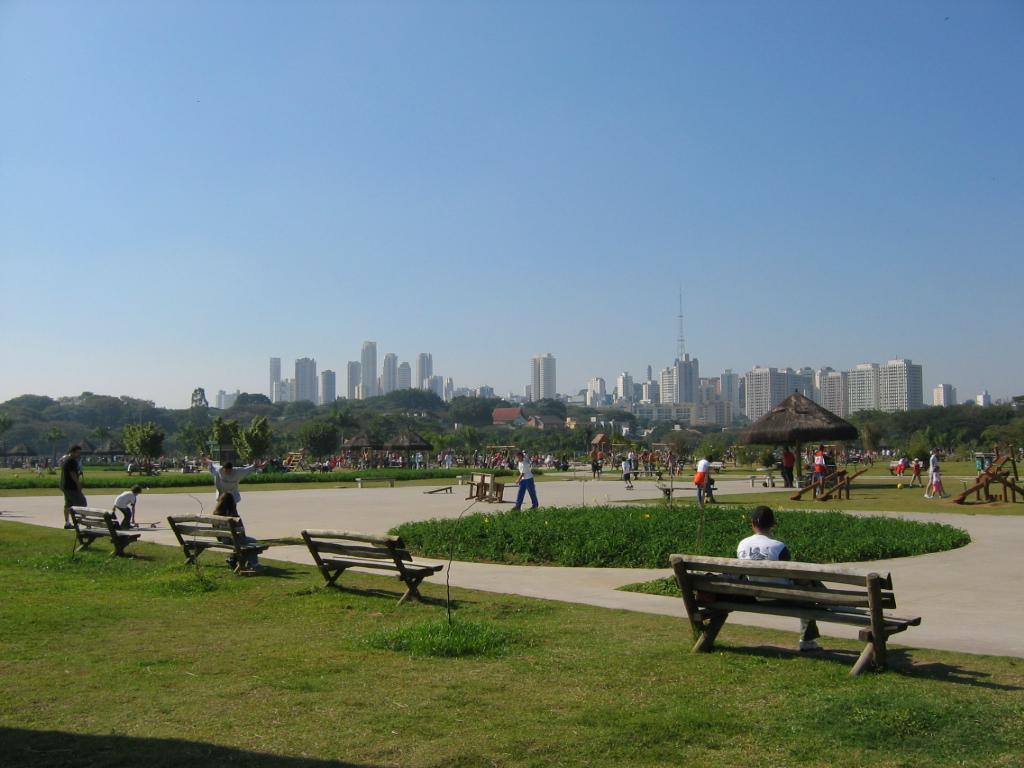
9. Villa-Lobos Park (Parque Villa-Lobos)
Description: A large urban park in São Paulo’s west zone, offering extensive green areas, sports courts, bike paths, and a popular dog park. It’s a popular spot for outdoor activities.
History: Opened in the 1980s, the park is named after the renowned Brazilian composer Heitor Villa-Lobos. It was created from a former landfill area, transforming it into a vital green space.
Google Maps: Villa-Lobos Park (Parque Villa-Lobos) Location
Official Website: Parque Villa-Lobos
Tickets: Free entry – Park entry is free.
Opening Hours: Typically 5:30 AM – 7 PM. Check official website for seasonal changes.
Travel Options: Metro (Villa-Lobos-Jaguaré station), CPTM (Villa Lobos-Jaguaré station), various bus lines.
Nearby Restaurants:
– Ruella Bistrô: A charming French bistro with a romantic atmosphere and delicious dishes.
– La Macelleria: Specializes in gourmet burgers and perfectly grilled meats.
Tips: Great for families and pet owners due to its ample space and dedicated dog park. Rent a bike or rollerblade to cover more ground.
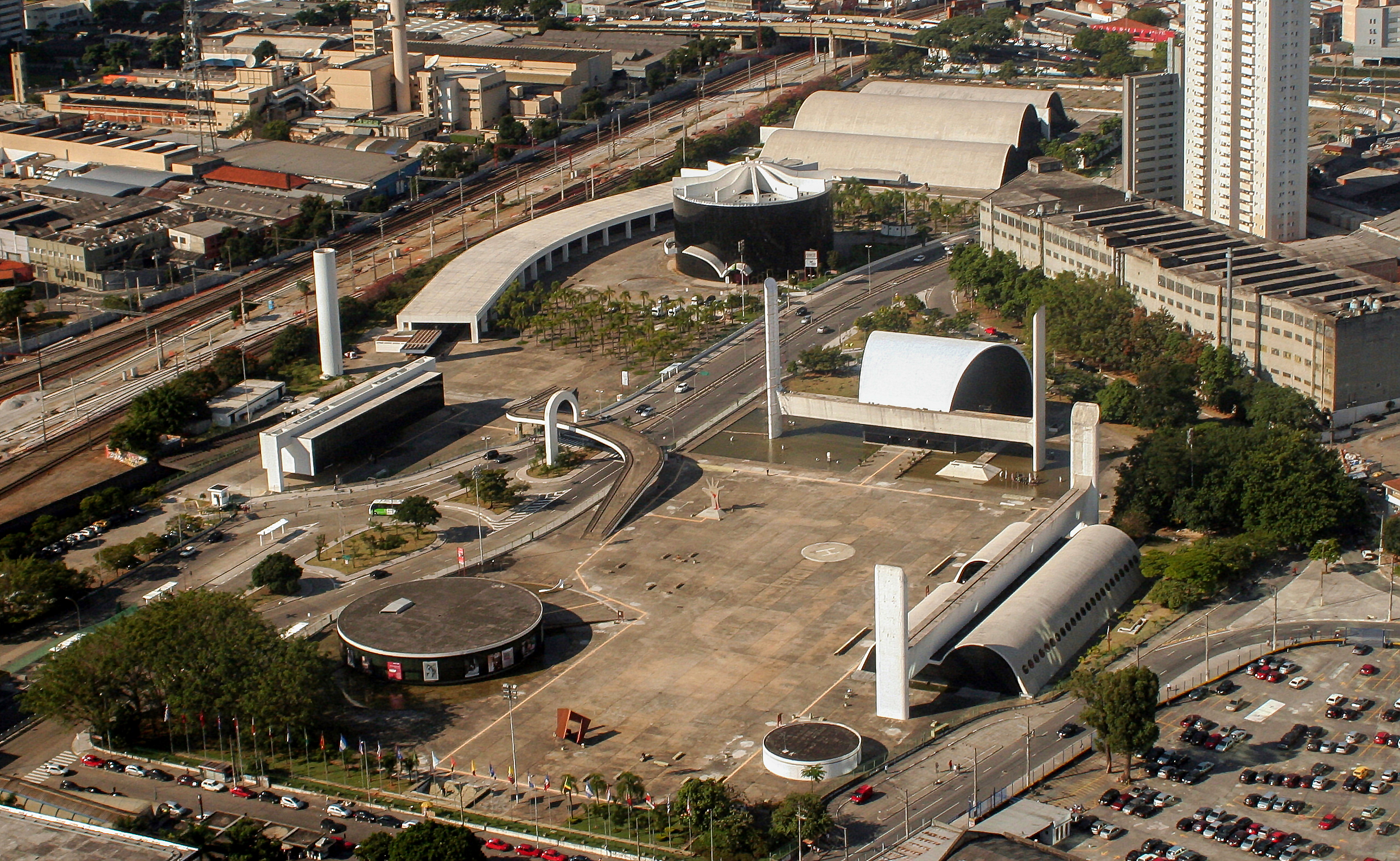
10. Latin America Memorial (Memorial da América Latina)
Description: A cultural, political, and recreational complex designed by Oscar Niemeyer, dedicated to integrating Latin American culture. It features various buildings, art installations, and a public square.
History: Inaugurated in 1989, the Memorial was conceived as a symbol of Latin American unity and features iconic architectural elements typical of Oscar Niemeyer’s modernist style.
Google Maps: Latin America Memorial (Memorial da América Latina) Location
Official Website: Memorial da América Latina
Tickets: Free entry – Complex entry is free; some special events or exhibitions may charge a fee.
Opening Hours: Check official website for current hours (typically closed Mondays).
Travel Options: Metro (Barra Funda station, direct access), various bus lines.
Nearby Restaurants:
– Moocaires Empanadas Argentinas: Offers a taste of authentic Argentine empanadas and other specialties.
– Bráz Pizzaria (Perdizes): Renowned for its traditional São Paulo-style pizzas with a delicious, thin crust.
Tips: Check the Memorial’s schedule for cultural events, concerts, and exhibitions before visiting. Don’t miss Niemeyer’s striking hand sculpture in the plaza.
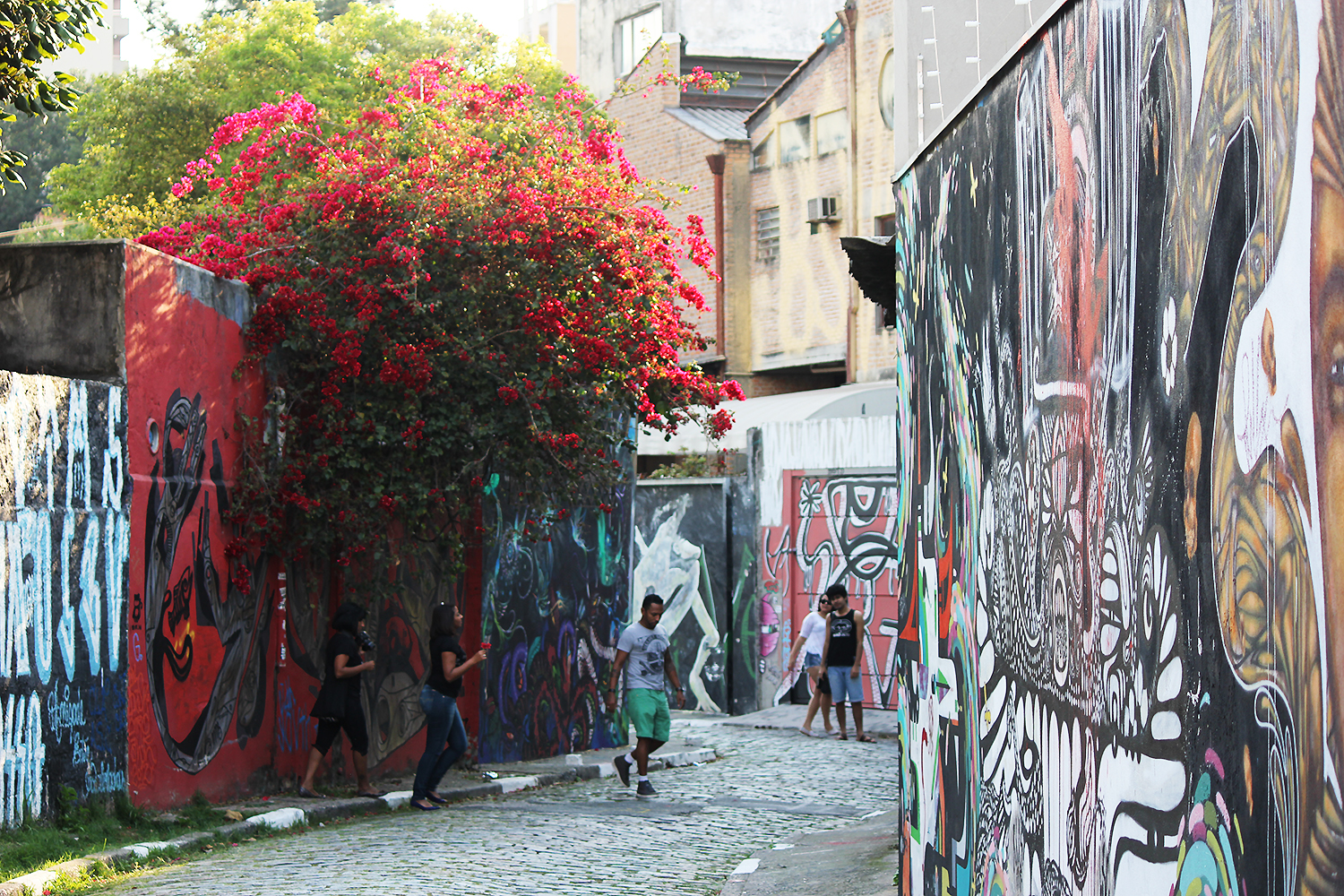
11. Beco do Batman (Batman Alley)
Description: A vibrant open-air urban art gallery in the Vila Madalena neighborhood, famous for its ever-changing, colorful graffiti and murals by local artists.
History: The alley gained its name and reputation in the 1980s when a Batman drawing appeared, attracting artists who began covering the walls with new art regularly, making it a living canvas.
Google Maps: Beco do Batman (Batman Alley) Location
Tickets: Free entry – Public alley access is free.
Opening Hours: 24/7 (best visited during daylight hours for photography and safety).
Travel Options: Metro (Sumaré or Fradique Coutinho stations, then walk or short bus ride), various bus lines.
Nearby Restaurants:
– Pitico: A casual, outdoor bar and restaurant known for its relaxed atmosphere and Middle Eastern-inspired snacks.
– Guilhotina Bar: An award-winning cocktail bar offering creative drinks and a sophisticated setting.
Tips: Wear comfortable shoes to explore all the nooks and crannies. It’s a fantastic spot for photography, but be mindful of crowds on weekends.
12. Travel Tips:
Description: São Paulo is a massive city, so plan your itinerary geographically to minimize travel time. Public transport, particularly the metro, is the most efficient way to navigate during peak hours. Be prepared for tropical weather; carry an umbrella for sudden showers and wear comfortable walking shoes. Stay hydrated, especially during summer months.
History:
Google Maps: Travel Tips: Location
Tickets: Check ticket details
Opening Hours: Check official website for current hours
Travel Options:
Nearby Restaurants:
Tips:
13. São Paulo Cathedral (Catedral da Sé)
Description: A magnificent Neo-Gothic cathedral, one of the five largest Gothic temples in the world, located in the heart of São Paulo’s historic center.
History: Construction began in 1913, though plans for a grand cathedral date back to the 17th century. It was consecrated in 1954 to celebrate São Paulo’s 400th anniversary, with its towers completed in 1967.
Google Maps: São Paulo Cathedral (Catedral da Sé) Location
Official Website: Catedral Metropolitana de São Paulo
Tickets: Free entry – Entry to the cathedral is free. A small fee may apply for guided tours to the crypt/catacombs.
Opening Hours: Check official website for current hours (typically open daily, shorter hours on Sundays).
Travel Options: Metro (Sé station, direct access), various bus lines.
Nearby Restaurants:
– Bar da Dona Onça: Offers classic Brazilian comfort food with a modern twist, located in the iconic Copan building.
– Esther Rooftop: Modern European cuisine with stunning panoramic views of the city center.
Tips: While impressive, be particularly aware of your surroundings and belongings in the Sé area, especially outside the cathedral. Consider a guided tour to learn about its history and architecture.
14. Municipal Theatre of São Paulo (Theatro Municipal)
Description: An architectural jewel and one of Brazil’s most important cultural venues, hosting opera, ballet, and classical music concerts in a stunning setting.
History: Inaugurated in 1911, the theatre was inspired by the Paris Opéra and played a pivotal role in Brazil’s cultural history, notably hosting the Week of Modern Art in 1922.
Google Maps: Municipal Theatre of São Paulo (Theatro Municipal) Location
Official Website: Theatro Municipal de São Paulo
Tickets: Book Tickets – Ticket prices vary for performances. Guided tours may have a separate fee.
Opening Hours: Check official website for current hours, performance schedules, and guided tour availability.
Travel Options: Metro (Anhangabaú or República stations, short walk), various bus lines.
Nearby Restaurants:
– Terraço Itália: An iconic restaurant offering Italian cuisine with breathtaking panoramic views from the 41st floor.
– Bar Brahma: A traditional bar and restaurant with live music, serving classic Brazilian dishes and snacks.
Tips: Even if you don’t attend a performance, consider taking a guided tour to appreciate the opulent interiors and rich history of the building.

15. Pátio do Colégio
Description: The site where the city of São Paulo was founded in 1554. It comprises a church, a museum dedicated to the city’s origins, and archaeological remains.
History: On January 25, 1554, Jesuit priests, led by Father Manuel da Nóbrega and José de Anchieta, celebrated the first mass and established a mission school here, marking the official birth of São Paulo.
Google Maps: Pátio do Colégio Location
Official Website: Pátio do Colégio
Tickets: Check ticket details – A small entry fee applies for the museum. Church access is generally free.
Opening Hours: Check official website for current hours (typically closed Mondays).
Travel Options: Metro (Sé station, short walk), various bus lines.
Nearby Restaurants:
– A Casa do Porco Bar: An internationally acclaimed restaurant specializing in nose-to-tail pork dishes.
– Bar da Lapa: A traditional bar offering classic Brazilian snacks and a lively atmosphere.
Tips: Explore the museum to delve into São Paulo’s colonial past and the lives of its founders. The on-site café is a pleasant spot for a break.
16. MASP Paulista Sunday Market
Description: Every Sunday, the space under MASP’s iconic free span transforms into a bustling open-air market, featuring antiques, crafts, art, and street food vendors.
History: The tradition of a Sunday market under MASP’s elevated structure dates back decades, providing a vibrant cultural and commercial space for locals and tourists alike.
Google Maps: MASP Paulista Sunday Market Location
Tickets: Free entry – Market access is free; individual purchases apply.
Opening Hours: Sundays, typically 10 AM – 5 PM (weather permitting).
Travel Options: Metro (Trianon-Masp station, direct access), numerous bus lines on Avenida Paulista.
Nearby Restaurants:
– Miya Restaurante: Japanese fusion cuisine with a focus on fresh ingredients.
– Templo da Carne Marcos Bassi: Traditional Brazilian steakhouse famous for its premium cuts.
Tips: Combine a visit to the market with a stroll along Avenida Paulista, which is closed to traffic on Sundays, creating a festive atmosphere.

17. Museum of Modern Art (MAM)
Description: Located within Ibirapuera Park, MAM is dedicated to modern and contemporary Brazilian art, featuring a significant collection, temporary exhibitions, and a beautiful sculpture garden.
History: Founded in 1948, MAM was initially housed elsewhere before moving to its current location within the Ibirapuera Park complex, occupying a building adapted by Oscar Niemeyer.
Google Maps: Museum of Modern Art (MAM) Location
Official Website: MAM – Museu de Arte Moderna de São Paulo
Tickets: Book Tickets – Entry fee applies; check official website for current prices and free days.
Opening Hours: Check official website for current hours (typically closed Mondays).
Travel Options: Located inside Ibirapuera Park. Access via bus or walking from nearby metro stations.
Nearby Restaurants:
– Praça São Lourenço: Upscale Brazilian cuisine in a charming, garden-like setting.
– Obá Restaurante: A popular restaurant known for its contemporary Mexican and Thai cuisine.
Tips: After visiting the exhibitions, take time to relax and explore the sculpture garden, which offers a serene outdoor artistic experience.
18. Travel Tips:
Description: São Paulo’s dining scene is incredibly diverse; don’t be afraid to try local specialties like coxinha, pão de queijo, or feijoada. For safety, avoid displaying valuables openly and use official taxis or ride-sharing apps. Consider purchasing a ‘Bilhete Único’ (single ticket) for easier use of public transport if planning extensive travel.
History:
Google Maps: Travel Tips: Location
Tickets: Check ticket details
Opening Hours: Check official website for current hours
Travel Options:
Nearby Restaurants:
Tips:

19. Instituto Butantan
Description: A world-renowned biomedical research center specializing in vaccines and antivenoms. It offers educational museums, including a reptile house and a historical museum, set within a lush campus.
History: Founded in 1901, Instituto Butantan became pivotal in public health, particularly in the production of serums and vaccines, making significant contributions to medical science and combating infectious diseases.
Google Maps: Instituto Butantan Location
Official Website: Instituto Butantan
Tickets: Check ticket details – Entry fee applies for the museum complex. Check official website for current prices.
Opening Hours: Check official website for current hours (typically closed Mondays).
Travel Options: Metro (Butantã station, then a short bus ride or walk), various bus lines.
Nearby Restaurants:
– Padaria Brasileira (Butantã): A popular local bakery offering a variety of fresh breads, pastries, and lunch options.
– Pizzaria Camelo (Morumbi): A classic São Paulo pizzaria known for its high-quality ingredients and traditional recipes.
Tips: Fascinating for those interested in science, nature, and public health. Plan to spend a few hours exploring the different museums and the snake farm.

20. São Paulo Botanical Garden (Jardim Botânico de São Paulo)
Description: A serene green oasis featuring diverse plant collections, greenhouses, walking trails, and a rich biodiversity, offering a peaceful escape from the urban hustle.
History: Established in 1928 and officially opened in 1938, the Botanical Garden was created to protect the headwaters of the Ipiranga River and serve as a center for botanical research and conservation.
Google Maps: São Paulo Botanical Garden (Jardim Botânico de São Paulo) Location
Official Website: Jardim Botânico de São Paulo
Tickets: Check ticket details – Entry fee applies. Check official website for current prices.
Opening Hours: Check official website for current hours (typically closed Mondays).
Travel Options: Bus (several lines pass by), taxi/rideshare from nearby metro (e.g., Jabaquara station).
Nearby Restaurants:
– Restaurante Estação Natureza: Offers healthy and organic food options in a pleasant, natural setting.
– Costelaria Moema: Known for its delicious slow-cooked ribs and traditional Brazilian barbecue.
Tips: Wear comfortable shoes for walking the extensive trails. Bring insect repellent, especially during warmer months. Consider combining your visit with the nearby São Paulo Zoo.
AI Travel Tools