

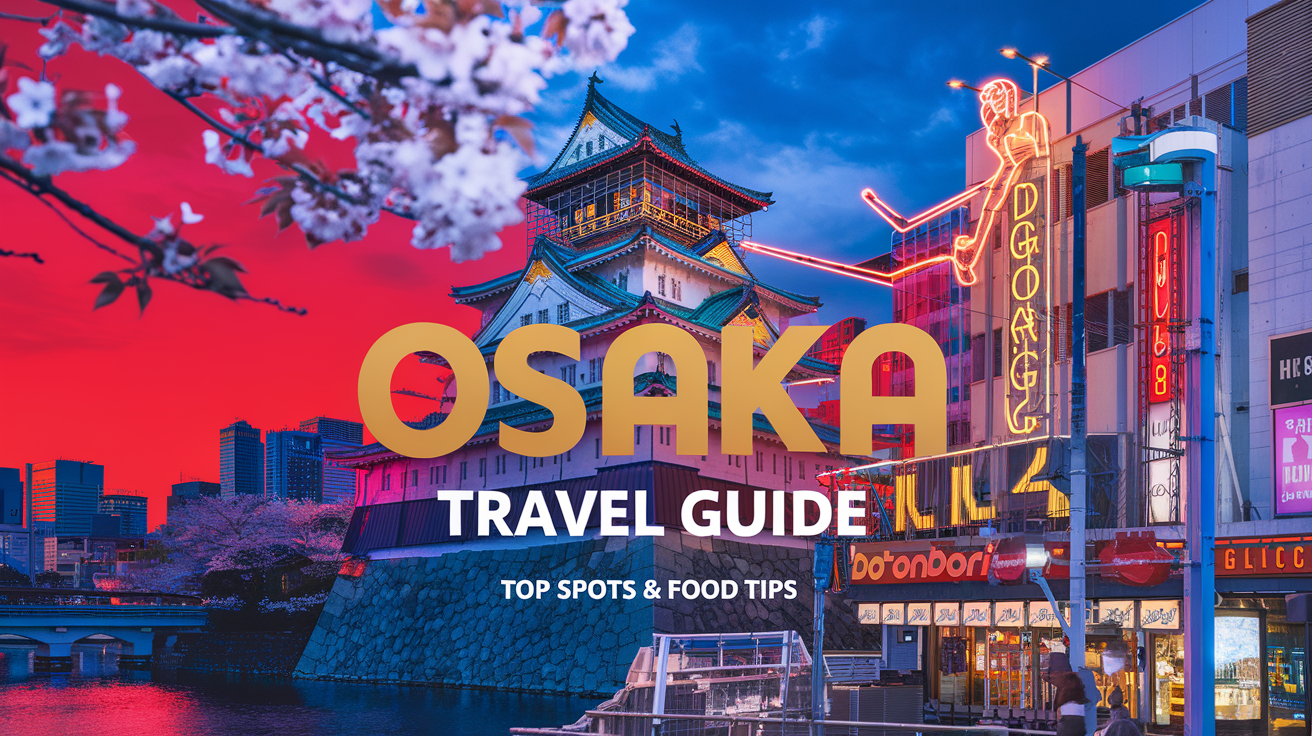
Osaka, Japan’s vibrant second city, offers a captivating blend of rich history, modern entertainment, and unparalleled culinary experiences. From ancient castles and serene temples to bustling shopping districts and world-class theme parks, this guide unveils the top 20 must-visit attractions to help you discover the dynamic spirit of Osaka on your next unforgettable journey.
1. Osaka Castle (Osaka-jo)
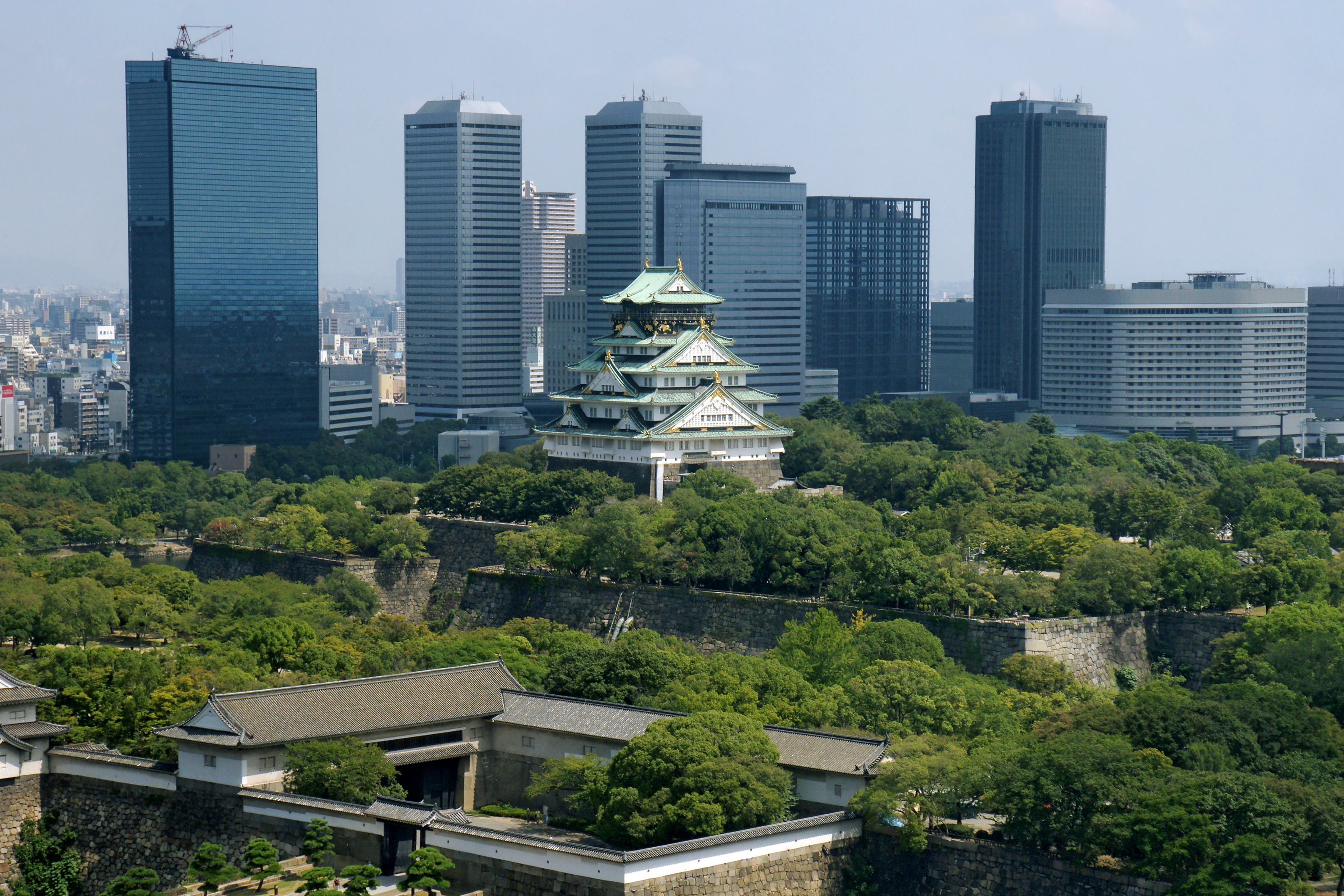
Description: A majestic landmark and symbol of Osaka, surrounded by moats and extensive parkland. The main tower houses a museum documenting its history and provides panoramic city views.
History: Originally built in the late 16th century by Toyotomi Hideyoshi, one of Japan’s great unifiers. It has been destroyed and rebuilt several times, with the current reconstruction dating from 1931.
Google Maps: Osaka Castle (Osaka-jo) Location
Official Website: Osaka Castle Official Website
Tickets: Book Tickets – Entrance fee for main tower museum; grounds are free.
Opening Hours: 9:00 AM – 5:00 PM (Last entry 4:30 PM); Check official website for current hours and special closures.
Travel Options: JR Osaka Loop Line to Osakajokoen Station; Tanimachi Line or Chuo Line to Tanimachiyonchome Station. Walk from stations.
Nearby Restaurants:
– Mirairo Osaka Castle: Modern cafe and restaurant inside the castle park, offering light meals and refreshments with castle views.
– The Garden Oriental Osaka: Elegant dining experience in a historic building within the castle grounds, known for its fine dining.
Tips: Arrive early to avoid crowds, especially on weekends. Explore the extensive grounds, including Nishinomaru Garden (separate admission often required during cherry blossom season).
2. Dotonbori
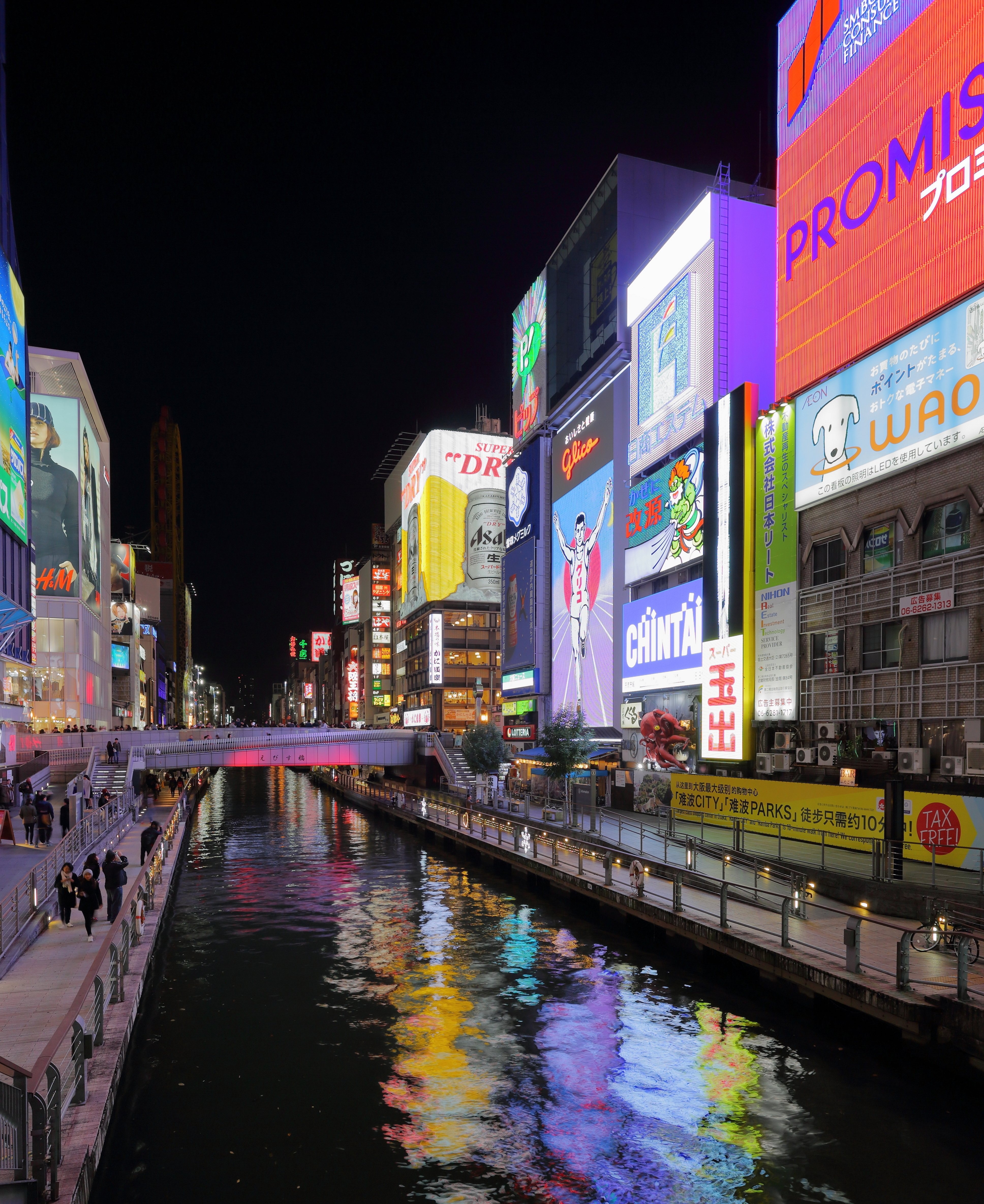
Description: Osaka’s most famous entertainment and nightlife district, known for its dazzling neon lights, giant animated signs (like the Glico Running Man), and an overwhelming array of street food and restaurants.
History: Developed as a pleasure district in the early 17th century around the Dotonbori Canal, growing into a hub for theater and entertainment. Its culinary reputation solidified over centuries.
Google Maps: Dotonbori Location
Official Website: Osaka Tourism Official Site
Tickets: Free entry – Dotonbori is a public district with no entrance fee.
Opening Hours: Open 24/7; shops and restaurants typically open from late morning until late at night.
Travel Options: Namba Station (JR, Kintetsu, Nankai, Subway Midosuji/Yotsubashi/Sennichimae lines). Dotonbori is a short walk from the station.
Nearby Restaurants:
– Kushikatsu Daruma (Dotonbori): Famous for its crispy kushikatsu (deep-fried skewers), a quintessential Osaka street food. Remember the ‘no double-dipping’ rule!
– Creo-ru Dotonbori: Popular spot for Osaka’s two most iconic dishes: takoyaki (octopus balls) and okonomiyaki (savory pancake).
Tips: Best visited in the evening to experience the full spectacle of the neon lights. Try a variety of street foods and consider a canal cruise.

3. Universal Studios Japan (USJ)
Description: A thrilling theme park featuring popular Hollywood movie franchises and Japanese pop culture icons, offering a wide range of rides, shows, and immersive themed lands like The Wizarding World of Harry Potter and Super Nintendo World.
History: Opened in 2001, USJ was the first Universal Studios theme park to be built in Asia. It has continuously expanded and introduced new attractions, becoming a major international draw.
Google Maps: Universal Studios Japan (USJ) Location
Official Website: Universal Studios Japan Official Website
Tickets: Book Tickets – Various ticket types available, including 1-day studio pass and Universal Express Pass to skip lines. Prices vary by date.
Opening Hours: Typically 9:00 AM – 7:00 PM (or later); Check official website for current daily operating hours, which can vary significantly.
Travel Options: JR Yumesaki Line (Sakurajima Line) from Nishikujo Station to Universal City Station.
Nearby Restaurants:
– Park Side Grille (USJ): A classic American-style restaurant inside the park, known for its steaks and family-friendly atmosphere.
– Takopa (Universal City Walk Osaka): A food court within Universal City Walk, offering various takoyaki vendors, perfect for trying different styles before or after the park.
Tips: Purchase tickets and, if desired, an Express Pass in advance online, especially for peak seasons. Arrive before opening to maximize your time.

4. Shitennoji Temple
Description: Japan’s first official Buddhist temple, founded by Prince Shotoku. It features a five-story pagoda, a main hall, and a tranquil garden, offering a glimpse into ancient Japanese religious architecture.
History: Established in 593 by Prince Shotoku, one of the earliest proponents of Buddhism in Japan. The temple has been damaged by fire and rebuilt numerous times over the centuries, always in its original 6th-century style.
Google Maps: Shitennoji Temple Location
Official Website: Shitennoji Temple Official Website
Tickets: Check ticket details – Free entry to grounds; small fees for the central complex, treasure house, and garden.
Opening Hours: 8:30 AM – 4:30 PM (varies seasonally); Check official website for current hours.
Travel Options: Tennoji Station (JR, Subway Midosuji/Tanimachi lines); Shitennoji-mae Yuhigaoka Station (Subway Tanimachi Line). A short walk from either.
Nearby Restaurants:
– Ten’noji MIO Plaza: A large shopping complex near Tennoji Station with numerous restaurant options ranging from Japanese to international cuisine.
– Gyukatsu Motomura (Tennoji): Known for its gyukatsu (fried beef cutlet), where you can grill slices of the rare beef to your preferred doneness.
Tips: Visit during a temple market day (21st and 22nd of each month) to experience a lively local atmosphere with many stalls. Explore the Gokuraku-jodo Garden for peace and quiet.

5. Umeda Sky Building
Description: A spectacular high-rise building known for its unique architectural design, featuring two towers connected at the top by the ‘Floating Garden Observatory,’ which offers breathtaking 360-degree views of Osaka.
History: Completed in 1993, the Umeda Sky Building quickly became an architectural icon of Osaka. Its design, with the central escalator crossing the atrium, was innovative for its time.
Google Maps: Umeda Sky Building Location
Official Website: Umeda Sky Building Official Website
Tickets: Book Tickets – Entry fee for the Floating Garden Observatory. Advance booking often recommended.
Opening Hours: 9:30 AM – 10:30 PM (Last entry 10:00 PM); Check official website for current hours.
Travel Options: Osaka Station or Umeda Station (JR, Subway Midosuji/Tanimachi/Yotsubashi lines, Hankyu, Hanshin). Approximately a 10-15 minute walk from these stations.
Nearby Restaurants:
– Takimi-Koji Gourmet Street (Umeda Sky Building): A nostalgic underground restaurant street designed to resemble a Showa-era town, offering various Japanese cuisines like tempura, okonomiyaki, and soba.
– Kiji Umeda Sky Building: A highly-rated okonomiyaki restaurant located in the Takimi-Koji area, known for its delicious savory pancakes and lively atmosphere.
Tips: Visit around sunset for stunning views as the city lights up. The ground floor often has events or markets.

6. Travel Tips: Getting Around Osaka
Description: Practical advice for navigating Osaka’s efficient public transportation network, including train lines, subway, and buses, to help visitors move between attractions smoothly.
History: N/A
Google Maps: Travel Tips: Getting Around Osaka Location
Official Website: Osaka Info Transport Guide
Tickets: Check ticket details – Consider purchasing an ICOCA card (rechargeable IC card), Osaka Amazing Pass, or JR Pass depending on your travel plans.
Opening Hours: N/A (refer to public transport operating hours, typically early morning to midnight)
Travel Options: Osaka boasts an excellent public transport system. The subway is ideal for inner-city travel. JR lines connect major hubs and outer areas. Buses fill in gaps.
Nearby Restaurants:
– Shin-Osaka Station Restaurants: Numerous dining options, from bento boxes to sit-down restaurants, perfect for a meal before or after arriving by Shinkansen.
– Osaka Station City Dining: A vast complex above Osaka Station offering diverse culinary experiences, from casual eats to upscale dining.
Tips: Use Google Maps for real-time navigation. Purchase an IC card (e.g., ICOCA) for seamless travel on most trains and buses. Consider day passes if you plan extensive sightseeing within a single day.
7. Kuromon Ichiba Market
Description: Known as ‘Osaka’s Kitchen,’ this bustling covered market street offers a vibrant sensory experience with fresh seafood, local produce, street food stalls, and traditional Japanese goods.
History: With a history stretching back over 170 years, Kuromon Market originated as a fish market. It has evolved into a comprehensive food market supplying both professional chefs and local residents.
Google Maps: Kuromon Ichiba Market Location
Official Website: Kuromon Ichiba Market Official Website
Tickets: Free entry – Market entry is free; pay for food and goods.
Opening Hours: Most stalls are open from 9:00 AM – 6:00 PM; Check individual stall hours.
Travel Options: Nippombashi Station (Subway Sennichimae Line or Sakaisuji Line). The market is directly accessible from exit 10.
Nearby Restaurants:
– Maguroya Kurogin: A popular stall within the market specializing in fresh tuna dishes, including sashimi and sushi bowls.
– Takoyaki Wanaka Kuromon: Offers authentic Osaka-style takoyaki with a crispy exterior and creamy interior, a must-try market snack.
Tips: Go hungry and be prepared to try a variety of fresh seafood (sashimi, grilled scallops), fruits, and other local delicacies. Many stalls offer eat-in spaces.

8. Osaka Aquarium Kaiyukan
Description: One of the world’s largest public aquariums, renowned for its massive central tank housing a whale shark. It showcases marine life from the Pacific Rim, focusing on unique ecosystems through 15 tanks.
History: Opened in 1990, Kaiyukan was designed around the concept of ‘Ring of Fire’ and ‘Ring of Life’ in the Pacific Ocean. It quickly gained international recognition for its scale and innovative exhibit design.
Google Maps: Osaka Aquarium Kaiyukan Location
Official Website: Osaka Aquarium Kaiyukan Official Website
Tickets: Book Tickets – Entry fee for all ages. Advance purchase available online or at the counter.
Opening Hours: Typically 9:30 AM – 8:00 PM (Last entry 7:00 PM); Hours vary seasonally, check official website.
Travel Options: Osakako Station (Subway Chuo Line). The aquarium is a 5-minute walk from the station.
Nearby Restaurants:
– Tempozan Marketplace: Located next to the aquarium, this complex offers various casual dining options, including ramen, udon, and Western fare, often with harbor views.
– Naniwa Kuishinbo Yokocho (Tempozan Marketplace): A retro-themed food court featuring famous Osaka dishes like okonomiyaki, takoyaki, and kushikatsu.
Tips: Allow at least 2-3 hours for a visit. Combine your trip with other Tempozan attractions like the Ferris wheel. Visit in the late afternoon to see the marine life both in daylight and evening lighting.

9. Shinsekai and Tsutenkaku Tower
Description: Shinsekai is a retro district evoking post-war Osaka, characterized by its vibrant, slightly kitschy atmosphere and the iconic Tsutenkaku Tower, offering panoramic views. It’s famous for its kushikatsu restaurants.
History: Shinsekai was developed in the early 20th century, with its northern half modeled after Paris and the southern half after Coney Island. Tsutenkaku Tower was built in 1912 (current one rebuilt in 1956) as a symbol of the area.
Google Maps: Shinsekai and Tsutenkaku Tower Location
Official Website: Tsutenkaku Tower Official Website
Tickets: Check ticket details – Entry fee for Tsutenkaku Tower observatory. Shinsekai district is free.
Opening Hours: Tsutenkaku Tower: 9:00 AM – 9:00 PM (Last entry 8:30 PM); Shinsekai shops and restaurants generally open from morning to late evening.
Travel Options: Ebisucho Station (Subway Sakaisuji Line) or Shin-Imamiya Station (JR Osaka Loop Line, Nankai Line). Both are a short walk to Shinsekai.
Nearby Restaurants:
– Daruma Shinsekai Sohonten: One of the original and most famous kushikatsu restaurants in Shinsekai, offering a wide variety of deep-fried skewers.
– Ganso Kushikatsu Daruma (multiple locations in Shinsekai): Another renowned kushikatsu spot, known for its secret sauce and crispy batter. Look for the angry chef mascot.
Tips: Embrace the retro charm and try kushikatsu. Remember the ‘no double-dipping’ rule for the communal sauce! Visit at night for the best neon light experience.

10. Tenjinbashi-suji Shopping Street
Description: The longest shopping street in Japan, stretching over 2.6 kilometers. This vibrant covered arcade offers an authentic local shopping experience with a mix of shops selling clothes, groceries, household goods, and numerous eateries.
History: Its origins date back to the Edo period as a vibrant merchant street. It developed into its current form over the centuries, maintaining its local charm and bustling atmosphere.
Google Maps: Tenjinbashi-suji Shopping Street Location
Official Website: Osaka Info Shopping Guide
Tickets: Free entry – A public shopping street with no entrance fee.
Opening Hours: Most shops open 10:00 AM – 7:00 PM; restaurants often open later. Hours vary by individual store.
Travel Options: Several subway stations along its length: Tenjinbashi-suji Rokuchome (Subway Sakaisuji Line, Tanimachi Line), Ogimachi (Subway Sakaisuji Line), Minami-Morimachi (Subway Sakaisuji Line, Tanimachi Line).
Nearby Restaurants:
– Harukoma Sushi Honten: A very popular and affordable sushi restaurant, often with a queue, known for its generous portions and fresh ingredients.
– Nakamura-ya: A local eatery specializing in udon noodles, with a long history and comforting, traditional flavors.
Tips: Wear comfortable shoes and be prepared for a long walk if you plan to cover the entire length. It’s a great place to find unique souvenirs and experience local life.

11. Sumiyoshi Taisha Shrine
Description: One of Japan’s oldest and most important Shinto shrines, featuring a unique architectural style (Sumiyoshi-zukuri) without Chinese influence. It’s known for its iconic arched bridge (Sorihashi Bridge) and serene atmosphere.
History: Founded in the 3rd century, Sumiyoshi Taisha predates the introduction of Buddhism to Japan, making it historically significant. It is dedicated to the kami (gods) who protect sailors and fishing.
Google Maps: Sumiyoshi Taisha Shrine Location
Official Website: Sumiyoshi Taisha Official Website
Tickets: Free entry – Shrine grounds are free to enter. Small fee for the Treasure House.
Opening Hours: 6:00 AM – 5:00 PM (April-September); 6:30 AM – 5:00 PM (October-March); Check official website for current hours.
Travel Options: Sumiyoshitaisha Station (Nankai Main Line) or Sumiyoshitoriimae Station (Hankai Tramway). Both are a short walk.
Nearby Restaurants:
– Sumiyoshi Taisha Mae Hirofumi: A traditional Japanese restaurant near the shrine, offering set meals and local specialties in a calm setting.
– Aisawa Udon: A highly-rated udon shop a short walk from the shrine, known for its chewy noodles and flavorful broth.
Tips: Climb the Sorihashi Bridge for a great photo opportunity. Visit during Hatsumode (New Year’s first shrine visit) for a unique cultural experience, though it will be very crowded.
12. Travel Tips: Food & Dining in Osaka
Description: Essential advice for experiencing Osaka’s renowned food scene, known as ‘Kuidaore’ (eat ’til you drop), covering local specialties, dining etiquette, and how to find the best culinary delights.
History: N/A
Google Maps: Travel Tips: Food & Dining in Osaka Location
Official Website: Osaka Info Food & Drink Guide
Tickets: N/A – Dining costs vary greatly by restaurant and dish.
Opening Hours: N/A (restaurants typically open for lunch, close briefly, then reopen for dinner until late)
Travel Options: N/A (food is everywhere!)
Nearby Restaurants:
– Dotonbori: The ultimate destination for street food, offering takoyaki, okonomiyaki, kushikatsu, and crab dishes.
– Kuromon Ichiba Market: Perfect for fresh seafood, local produce, and quick market eats. Try sashimi, grilled scallops, and various snacks.
Tips: Don’t be afraid to try street food from various vendors. Learn a few basic Japanese phrases like ‘Oishii!’ (Delicious!) and ‘Go-chiso-sama deshita’ (Thank you for the meal). Many restaurants accept cash only.

13. Amerikamura (American Village)
Description: Osaka’s youth culture hub, known for its trendy boutiques, vintage clothing stores, cafes, bars, and street art. It’s a vibrant, quirky district reflecting American pop culture influences.
History: Developed in the 1970s as a center for imported American goods and fashion, Amerikamura has since evolved into a distinctive fashion and cultural district for Osaka’s youth.
Google Maps: Amerikamura (American Village) Location
Official Website: Osaka Info Shopping Guide
Tickets: Free entry – A public district with no entrance fee.
Opening Hours: Shops typically 11:00 AM – 8:00 PM; bars and cafes open later.
Travel Options: Shinsaibashi Station (Subway Midosuji Line, Nagahori Tsurumi-ryokuchi Line) or Yotsubashi Station (Subway Yotsubashi Line). A short walk from either.
Nearby Restaurants:
– Shunsai Yuzen: A popular izakaya offering creative Japanese dishes and drinks, with a lively atmosphere.
– Grill Capitol: A classic Western-style restaurant known for its comfort food like omurice and hamburger steaks.
Tips: Explore Triangle Park (Sankaku Koen) which is a central gathering spot. Look out for quirky street art and unique fashion finds.
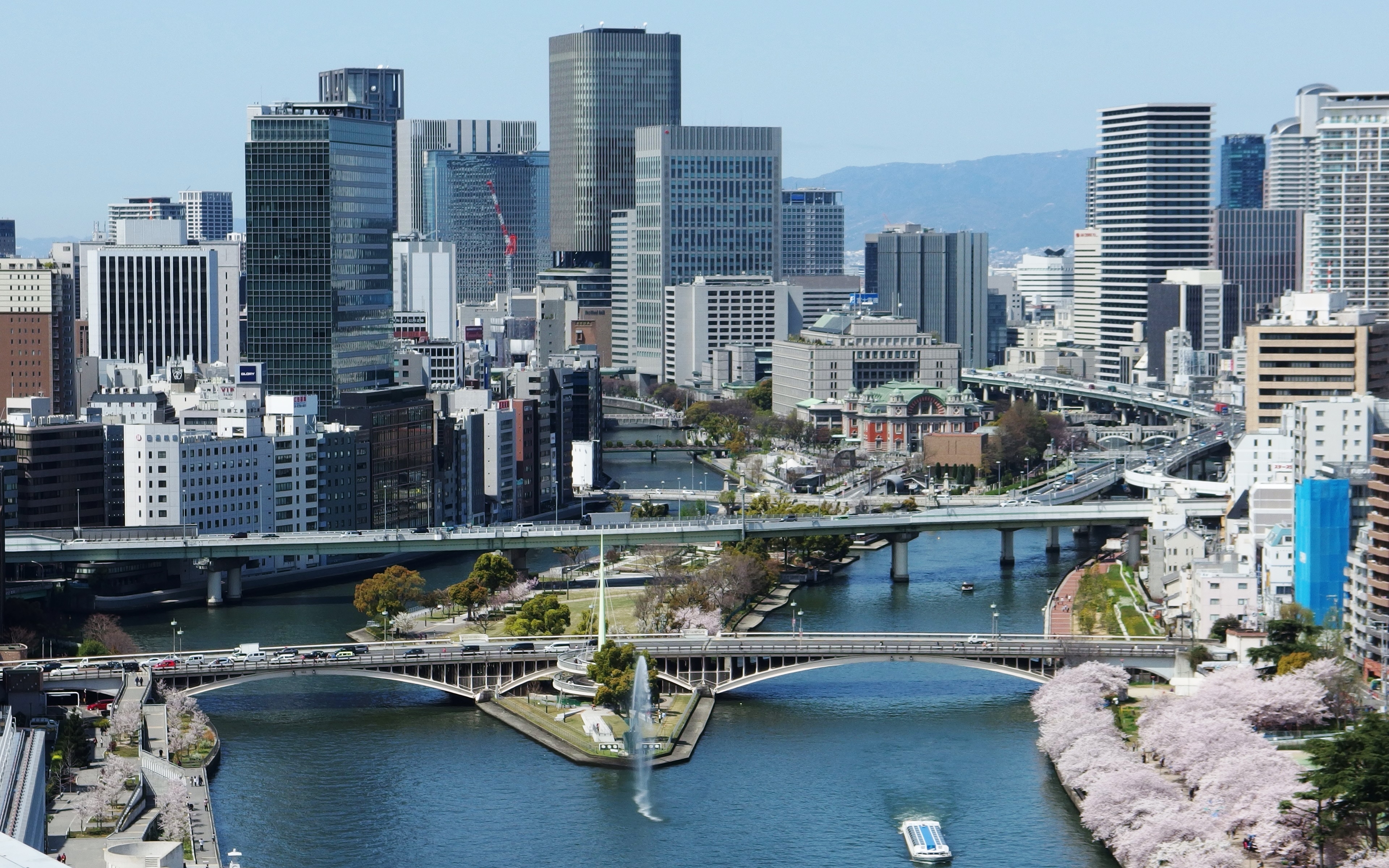
14. Nakanoshima Park
Description: Osaka’s first public park, nestled on a sandbank between the Dojima and Tosabori rivers. It’s an urban oasis featuring a beautiful rose garden, open green spaces, and historic Western-style buildings along its edges.
History: Established in 1891, Nakanoshima Park has long served as a green lung in the heart of Osaka’s business district. It’s surrounded by significant architectural landmarks.
Google Maps: Nakanoshima Park Location
Official Website: Osaka Info Parks & Gardens
Tickets: Free entry – Park access is free.
Opening Hours: Open 24/7; Rose Garden typically 9:30 AM – 4:45 PM.
Travel Options: Yodoyabashi Station (Subway Midosuji Line, Keihan Main Line), Higobashi Station (Subway Yotsubashi Line), or Naniwabashi Station (Keihan Nakanoshima Line). All are adjacent to the park.
Nearby Restaurants:
– GARB RIVERSIDE: A stylish restaurant with terrace seating overlooking the river, offering Italian-inspired dishes and a vibrant atmosphere.
– Nakanoshima Club: Located in a historic red-brick building, offering a blend of Western and Japanese cuisine, famous for its omelet rice.
Tips: Visit in mid-May or mid-October to see the rose garden in full bloom. It’s a great spot for a leisurely stroll or a picnic. Consider a river cruise from the nearby pier.

15. Tempozan Ferris Wheel
Description: One of the world’s largest Ferris wheels, offering spectacular views of Osaka Bay, Kaiyukan Aquarium, Universal Studios Japan, and the surrounding city from its transparent gondolas.
History: Opened in 1997, it was once the world’s largest Ferris wheel. It stands as a prominent landmark in the Tempozan Harbor Village, alongside other popular attractions.
Google Maps: Tempozan Ferris Wheel Location
Official Website: Tempozan Ferris Wheel Official Website
Tickets: Book Tickets – Separate ticket required. Can be purchased at the site. Clear gondolas may have a slightly longer wait.
Opening Hours: 10:00 AM – 9:30 PM (Last entry 9:00 PM); Hours vary seasonally, check official website.
Travel Options: Osakako Station (Subway Chuo Line). The Ferris wheel is a 5-minute walk from the station.
Nearby Restaurants:
– Tempozan Marketplace: Adjacent to the Ferris wheel, offering a variety of food stalls and restaurants, from fast food to sit-down meals.
– Naniwa Kuishinbo Yokocho (Tempozan Marketplace): A retro-themed food court within the marketplace, featuring classic Osaka dishes like okonomiyaki and takoyaki.
Tips: Ride during sunset for a magical blend of daylight and city lights. Opt for a ‘see-through’ gondola for an extra thrill if you’re not afraid of heights.
16. Osaka Museum of Housing and Living
Description: An immersive museum that takes visitors back in time to Edo and Meiji period Osaka. It features a life-sized recreation of a street from the Edo period, complete with houses, shops, and interactive exhibits.
History: Opened in 2001, the museum aims to preserve and display the history of Osaka’s urban development and the daily lives of its residents through detailed reconstructions and artifacts.
Google Maps: Osaka Museum of Housing and Living Location
Official Website: Osaka Museum of Housing and Living Official Website
Tickets: Check ticket details – Entry fee required. Rental of traditional kimonos for photoshoots is available for an extra charge.
Opening Hours: 10:00 AM – 5:00 PM (Last entry 4:30 PM); Closed Tuesdays and some national holidays. Check official website.
Travel Options: Tenjinbashi-suji Rokuchome Station (Subway Sakaisuji Line, Tanimachi Line). The museum is directly connected to the station via an underground passage.
Nearby Restaurants:
– Tenjinbashi-suji Shopping Street: The museum is located within this long shopping street, offering countless dining options from casual cafes to traditional Japanese eateries.
– Harukoma Sushi Honten: A very popular and affordable sushi restaurant nearby, known for its fresh, generous portions (often a wait).
Tips: Rent a kimono to enhance your experience and take memorable photos within the Edo-period street setting. Allow at least 1.5-2 hours to explore.
17. Expo ’70 Commemorative Park (Banpaku Kinen Koen)
Description: A vast park built on the former site of the 1970 World’s Fair. It features expansive gardens, walking trails, museums, and the iconic Tower of the Sun artwork by Taro Okamoto.
History: The park preserves the legacy of Expo ’70, which was a landmark event in Japan’s post-war economic boom. The Tower of the Sun remains the park’s enduring symbol.
Google Maps: Expo ’70 Commemorative Park (Banpaku Kinen Koen) Location
Official Website: Expo ’70 Commemorative Park Official Website
Tickets: Check ticket details – Entry fee for the park. Separate fees for some facilities like the Japanese Garden and Tower of the Sun interior (reservations often required).
Opening Hours: 9:30 AM – 5:00 PM (Last entry 4:30 PM); Closed Wednesdays (or next day if holiday). Check official website.
Travel Options: Bampaku-kinen-koen Station (Osaka Monorail). The park entrance is directly accessible from the station.
Nearby Restaurants:
– Expocity: A large shopping and entertainment complex adjacent to the park, offering a vast array of dining options from casual to more upscale, including a cinema and aquarium.
– Kua’aina (Expocity): A Hawaiian burger chain known for its delicious, juicy burgers and casual, relaxed atmosphere.
Tips: The park is huge, so plan your visit according to what you want to see (rose garden, Japanese garden, natural culture garden). Check for seasonal events like flower festivals.
18. Travel Tips: Money & Etiquette
Description: Advice on currency, payment methods, tipping customs, and essential cultural etiquette to ensure a respectful and smooth travel experience in Osaka and Japan.
History: N/A
Google Maps: Travel Tips: Money & Etiquette Location
Official Website: Japan National Tourism Organization
Tickets: N/A – N/A
Opening Hours: N/A
Travel Options: N/A
Nearby Restaurants:
– Any local Izakaya: Experience Japanese drinking and dining culture, often with shared small dishes. Remember to say ‘Kanpai!’ (Cheers!).
– Department Store Food Basements (Depachika): A fantastic place to see the variety of Japanese food, from prepared meals to exquisite desserts, and observe local shopping etiquette.
Tips: Carry some cash as many smaller establishments still prefer it. Tipping is generally not practiced in Japan and can sometimes be seen as rude. Observe local customs like bowing slightly, not eating or drinking while walking (except in designated areas like markets), and queueing politely.
19. Minoh Park (Minoo Park)
Description: A tranquil, forested valley just north of central Osaka, famous for its beautiful 33-meter high waterfall (Minoo Waterfall). It’s a popular spot for hiking, nature walks, and autumn foliage viewing.
History: Designated as a quasi-national park, Minoh has been a cherished natural retreat for centuries. The path to the waterfall has been a pilgrimage route and recreational area for generations.
Google Maps: Minoh Park (Minoo Park) Location
Official Website: Minoo City Tourism
Tickets: Free entry – Park access is free.
Opening Hours: Open 24/7; shops and restaurants along the path typically open 9:00 AM – 5:00 PM.
Travel Options: Minoo Station (Hankyu Minoo Line from Umeda/Osaka-umeda Station). The park entrance is right outside the station.
Nearby Restaurants:
– Minoo Beer Garden: Offers craft beer from Minoh Beer, a local brewery, along with snacks and light meals in a relaxed setting.
– Momiji no Tempura (various stalls): Try momiji tempura (deep-fried maple leaves), a unique local specialty snack found along the path to the waterfall.
Tips: The walk to the waterfall takes about 45-60 minutes one-way on a paved path. Best visited in autumn for spectacular fall colors. Wear comfortable walking shoes.
20. Namba Yasaka Shrine
Description: A unique Shinto shrine best known for its gigantic lion head stage (Ema-Den), which is 12 meters high and 11 meters wide. It’s believed to swallow evil spirits and bring good luck, especially in business and academics.
History: While the exact founding date is unclear, the shrine has ancient roots. The current, striking lion head building was completed in 1975, making it a relatively modern landmark for a traditional shrine.
Google Maps: Namba Yasaka Shrine Location
Official Website: Osaka Info Shrines & Temples
Tickets: Free entry – Shrine grounds are free to enter.
Opening Hours: Open 24/7; office for charms/goshuin typically 9:00 AM – 5:00 PM.
Travel Options: Namba Station (JR, Kintetsu, Nankai, Subway Midosuji/Yotsubashi/Sennichimae lines). Approximately a 6-minute walk from Namba Station’s west exit.
Nearby Restaurants:
– Izakaya Toyo (Osaka): A legendary standing izakaya famous for its fresh seafood and lively chef. Often featured in documentaries.
– Matsuya Namba Ebisubashi: A popular gyudon (beef bowl) chain, offering quick, affordable, and satisfying Japanese comfort food.
Tips: Take photos of the impressive lion head from different angles. Visit during its annual festival (Otsuna Hiki Shinji) in January to see a large tug-of-war ceremony.
AI Travel Tools